Discover the Untamed Beauty of the UK’s Natural Wilderness
Explore Nature, Wildlife and Natural Beauty Travel Guide UK
The United Kingdom is a captivating tapestry of lush landscapes, vibrant ecosystems, and breathtaking natural scenery that beckons explorers and nature enthusiasts alike. From rolling hills and rugged coastlines to ancient woodlands and serene lakes, the UK offers a diverse array of environments that showcase the country’s rich ecological heritage. This destination stands out not just for its iconic landmarks but also for its hidden natural treasures waiting to be discovered by those eager to immerse themselves in untouched wilderness. Whether you seek peaceful retreats in quiet nature reserves or exhilarating adventures amidst wild landscapes, the UK’s natural beauty is both accessible and inspiring.
In this comprehensive travel guide, you can expect to uncover the most remarkable natural sites, learn about the unique wildlife that inhabits these areas, and find tips on how to explore these environments responsibly. We will highlight how the UK’s natural landscapes are a testament to centuries of ecological preservation, offering a sanctuary for diverse species and a refuge for those seeking tranquility away from urban life. Prepare to be inspired by the country’s spectacular scenery and discover how to experience its natural wonders in an authentic and meaningful way.
Stonehenge
Stonehenge is one of the most iconic prehistoric monuments in the world, located on the Salisbury Plain in Wiltshire, England. This mysterious stone circle dates back to around 2500 BC and continues to captivate visitors with its grandeur and enigma. The site consists of massive sarsen stones and smaller bluestones arranged in a circular formation, believed to have served ceremonial, astronomical, or religious purposes by ancient peoples. Its precise purpose remains a topic of debate, adding to its allure and mystique. Visiting Stonehenge offers a rare glimpse into early human ingenuity and spiritual life, making it a must-see for history enthusiasts and explorers of ancient cultures.
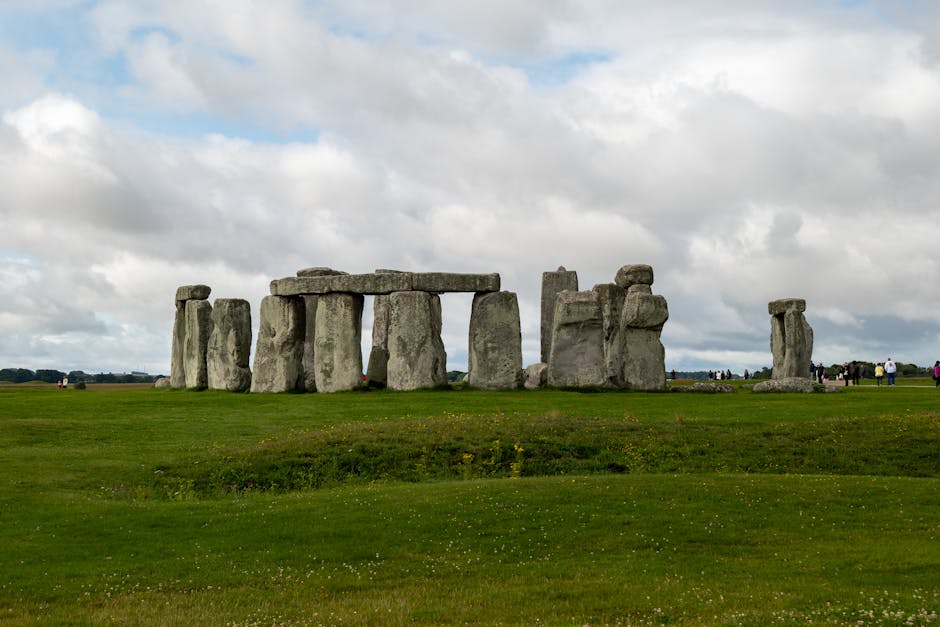
Situated approximately 8 miles north of Salisbury, the monument is easily accessible from London and other parts of southern England. The site is managed by English Heritage, which provides visitors with informative audio guides, detailed exhibitions, and a visitor center that offers insights into the history and theories surrounding Stonehenge. The best time to visit is early morning or late afternoon, when the crowds are smaller and the lighting enhances the monument’s mystical appearance. Walking around the stones, visitors can appreciate their massive size and the precise alignment that suggests astronomical significance, especially during solstices. For those interested in the spiritual or cultural aspects, seasonal events like the summer and winter solstice celebrations provide a unique experience.
Practical information includes parking facilities, guided tours, and accessibility options for visitors with mobility challenges. Remember to wear comfortable shoes and prepare for the weather, as the site is largely outdoors. Whether you’re fascinated by ancient history, archaeology, or simply seeking to explore a UNESCO World Heritage Site, Stonehenge offers an unforgettable journey into the distant past, inspiring curiosity and wonder about our ancestors’ capabilities and beliefs.
Lake District National Park
The Lake District National Park is a stunning region in northwest England renowned for its breathtaking landscapes, tranquil lakes, and rugged mountains. Covering over 2,300 square kilometers, it is a designated UNESCO World Heritage Site and a haven for nature lovers and outdoor enthusiasts. The park is characterized by its picturesque lakes such as Windermere, Ullswater, and Derwentwater, along with rolling hills, dense woodlands, and charming villages. Its diverse scenery provides the perfect backdrop for activities like hiking, boating, cycling, and even rock climbing. The area’s natural beauty, combined with its literary connections to poets like William Wordsworth and Beatrix Potter, makes it a culturally rich destination worth exploring.
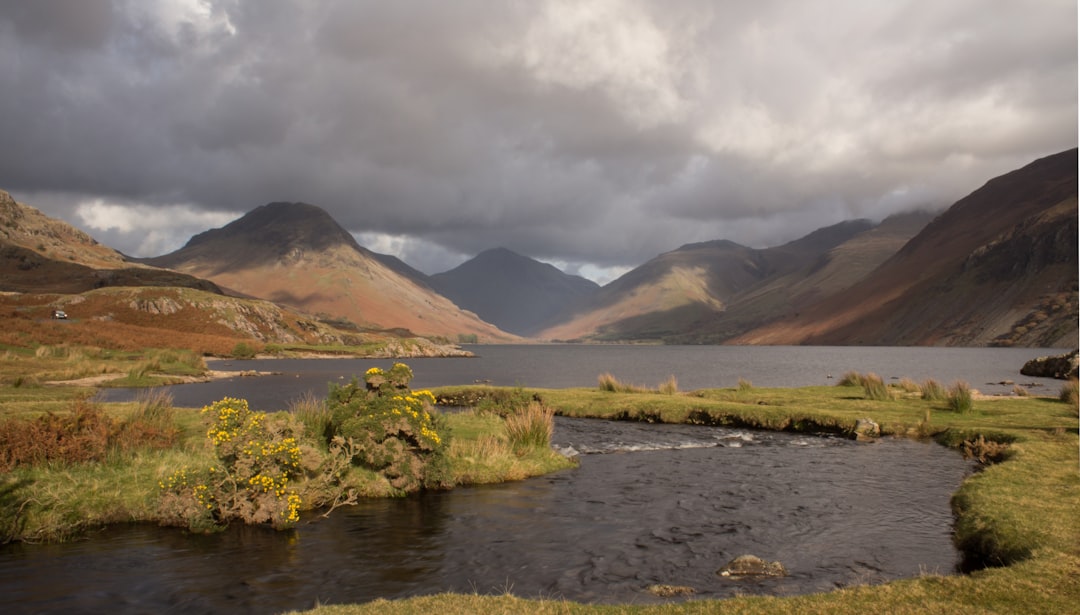
Visitors to the Lake District can enjoy a variety of outdoor pursuits, from gentle lakeside strolls to challenging mountain hikes. Popular routes include the ascent of Scafell Pike, England’s highest peak, and the scenic walks around Grasmere and Ambleside. The region also offers boat trips on the lakes, providing a relaxing way to take in the stunning scenery from a different perspective. For those interested in local culture, quaint villages like Keswick and Hawkshead feature traditional pubs, local crafts, and literary museums. The area is also home to numerous National Trust properties and historic sites, adding a cultural dimension to your adventure.
Practical tips for visitors include planning for variable weather, as conditions can change rapidly in the mountains. Accommodation options range from cozy bed and breakfasts to luxury hotels, and many areas have well-marked trails suitable for all levels. Whether you seek solitude in nature, outdoor adventure, or a cultural escape, the Lake District National Park promises an immersive experience that celebrates the natural beauty and literary heritage of this iconic region.
The Giant’s Causeway
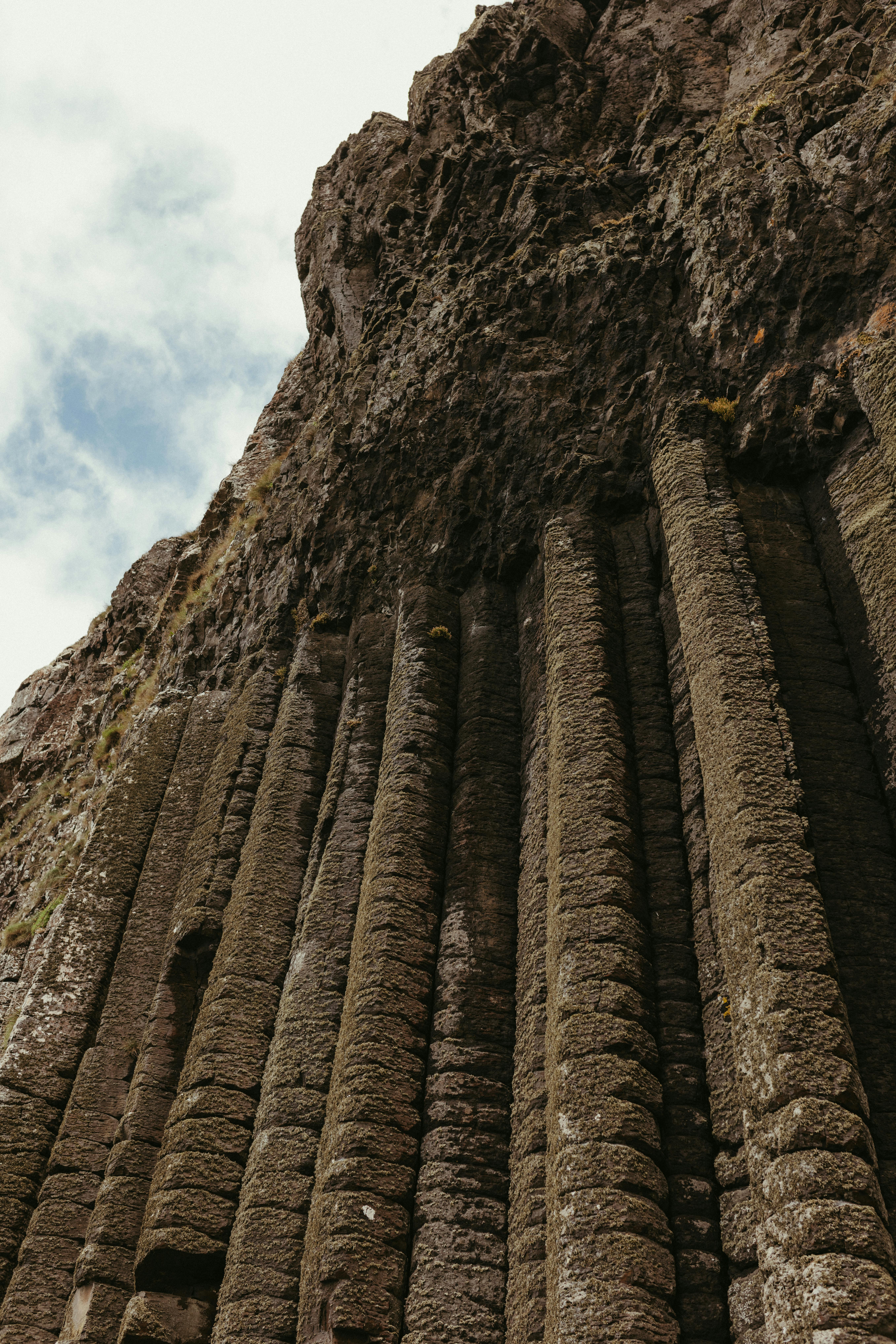
The Giant’s Causeway is a UNESCO World Heritage Site located on the northeastern coast of Northern Ireland. This extraordinary natural wonder features approximately 40,000 interlocking basalt columns, formed over 60 million years ago due to volcanic activity. The columns vary in height, creating a surreal landscape that resembles a giant’s stepping stones, which has inspired countless legends about giants crossing the Irish Sea. The site’s unique geological formation offers an awe-inspiring experience for visitors, who can walk along the rugged coastline and marvel at the geometric perfection of the stones. The combination of natural beauty and mythological lore makes the Giant’s Causeway a truly captivating destination for nature explorers and cultural enthusiasts alike.
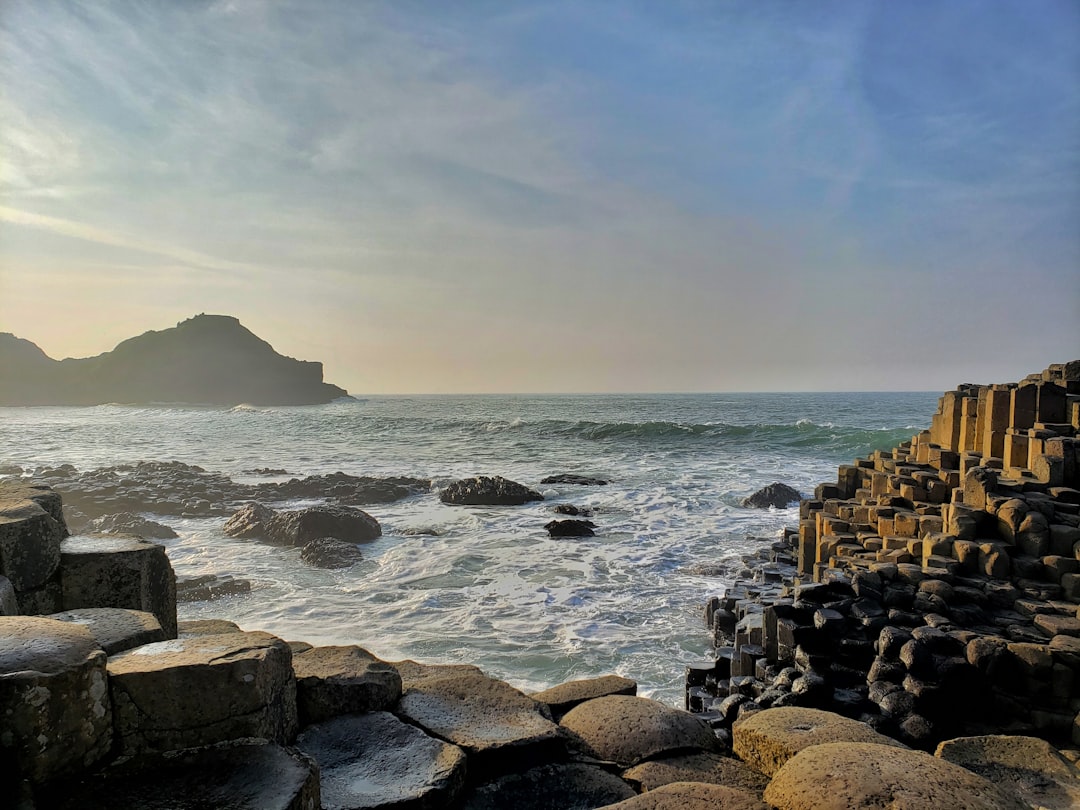
Located near the town of Bushmills in County Antrim, the site is easily accessible from Belfast and other parts of Northern Ireland. The visitor center provides interactive exhibits, guided tours, and detailed information about the geological history and legends surrounding the causeway. Walking along the pathways, visitors can enjoy panoramic views of the Atlantic Ocean and the rugged coastline, making it an ideal spot for photography and nature observation. The site is open year-round, with the best times to visit during spring and summer when the weather is milder and the scenery is at its most vibrant. During high tide or stormy weather, the dramatic waves crashing against the basalt formations add a dynamic element to the landscape.
Practical advice includes wearing sturdy footwear suitable for uneven terrain, bringing waterproof clothing, and planning your visit around low tide for the best walking conditions. The site also offers guided boat trips that provide a different perspective of the basalt columns from the sea. Exploring the Giant’s Causeway allows visitors to connect with both the powerful forces of nature and the rich folklore that has shaped local culture for centuries. It’s a truly unforgettable experience that celebrates the raw beauty and mythic history of Northern Ireland’s coastline.
Snowdonia National Park
Discover the Majestic Landscape of Snowdonia
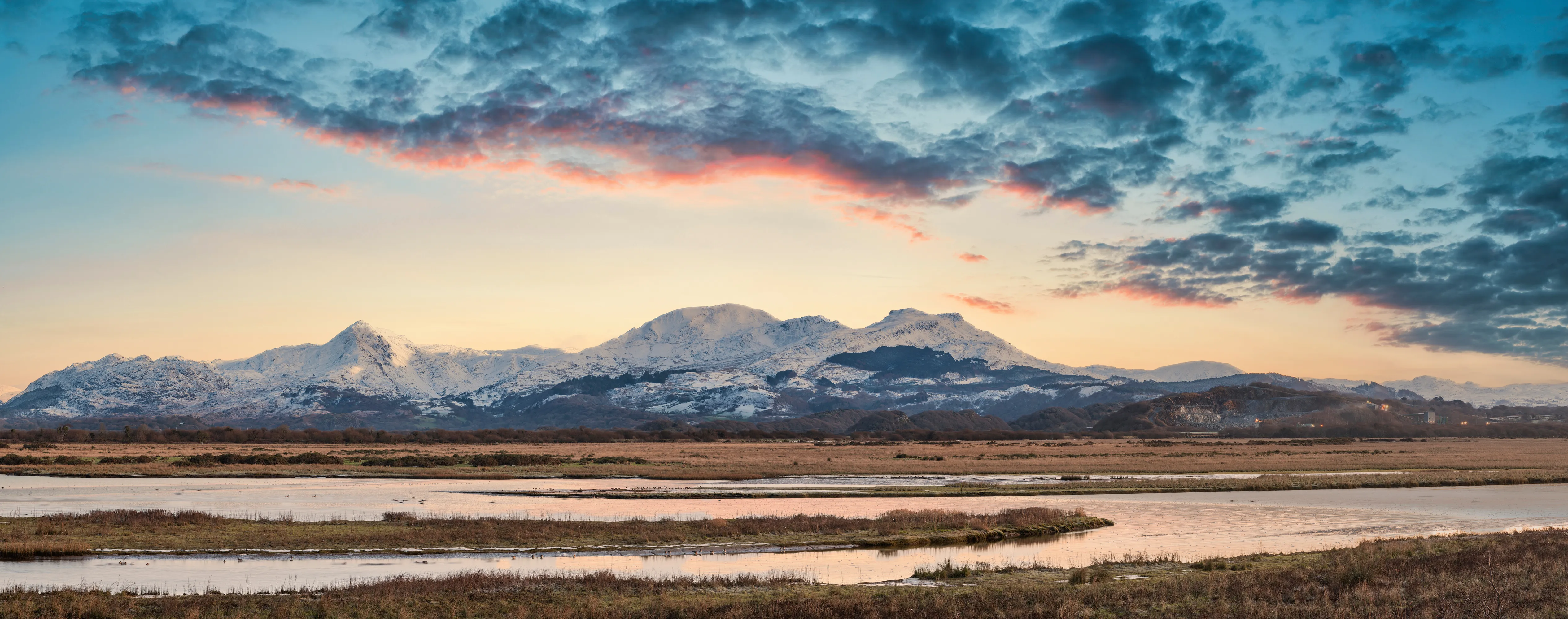
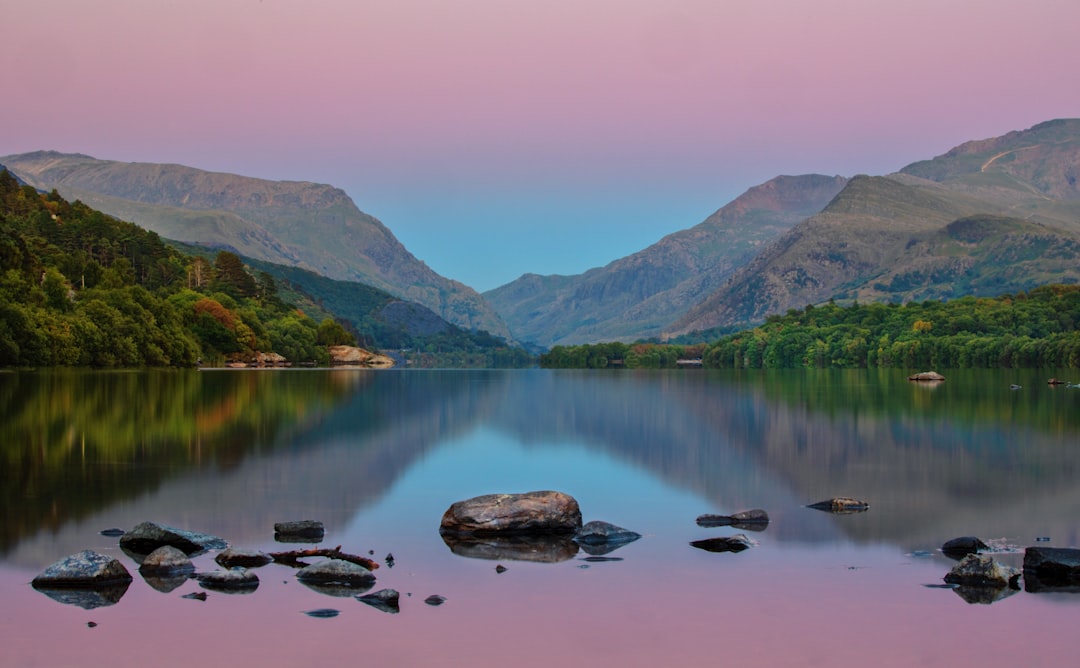
Located in North Wales, Snowdonia National Park is a breathtaking expanse of rugged mountains, lush valleys, and shimmering lakes. Covering approximately 823 square miles, it is renowned for its dramatic scenery and diverse natural beauty. The park is a haven for outdoor enthusiasts and nature lovers alike, offering an array of activities such as hiking, mountain biking, climbing, and exploring quaint villages. One of its most iconic features is Mount Snowdon, the highest peak in Wales, standing at 1,085 meters (3,560 feet). From its summit, visitors are rewarded with sweeping panoramic views of the surrounding landscape, stretching as far as the Irish Sea and the mountains of England.
Why Visit Snowdonia?
What makes Snowdonia truly special is its blend of natural grandeur and cultural heritage. The park is dotted with ancient castles, historic villages, and remnants of the region’s industrial past. For those seeking adventure, the varied terrain offers numerous trails suitable for all skill levels, from gentle walks to challenging mountain ascents. For instance, the Llanberis Path provides a relatively straightforward route to the summit of Snowdon, while the more demanding Crib Goch ridge offers a thrilling scramble for experienced climbers.
Nature lovers can explore the numerous lakes, such as Llyn Tegid, the largest natural lake in Wales, or wander through the enchanting forests and waterfalls. The park is also home to diverse wildlife, including choughs, red kites, and otters, making it a perfect destination for wildlife observation.
Practical information for visitors includes a well-developed network of visitor centers, guided tours, and public transport options. Accommodation ranges from cozy cottages to luxury hotels, ensuring a comfortable stay after a day of exploration. Whether you’re seeking solitude in nature or an adrenaline-filled adventure, Snowdonia offers an unforgettable experience immersed in the raw beauty of the Welsh landscape.
The Jurassic Coast
Explore the Ancient Wonders of the Jurassic Coast
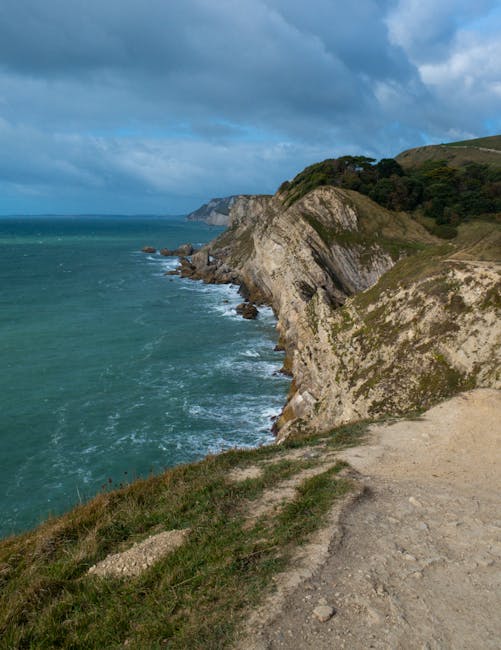
The Jurassic Coast, a UNESCO World Heritage Site, stretches along the southern coast of England, spanning from Exmouth in Devon to Studland Bay in Dorset. Covering approximately 96 miles, this spectacular coastline is famous for its rich geological history, revealing 185 million years of Earth’s past. Visitors can walk along dramatic cliffs, sandy beaches, and fossil-rich shores, each offering a glimpse into prehistoric life. The landscape is characterized by striking rock formations, including towering cliffs, arches, and stacks, shaped over millennia by the relentless forces of nature.
Why Visit the Jurassic Coast?
The main attraction of the Jurassic Coast is its unparalleled fossil hunting opportunities. Beaches such as Lyme Regis and Charmouth are renowned for their abundance of fossils, including ammonites, belemnites, and even the occasional dinosaur bone. For those interested in geology, guided fossil walks and educational centers provide insight into the Earth’s ancient history and the processes that shaped this remarkable coastline.
Beyond fossils, the coast offers breathtaking scenery perfect for exploring nature. Coastal walks reveal vibrant cliffs and secluded coves, while the inland areas feature rolling hills and lush countryside. The area is also rich in wildlife, with seabirds, seals, and even dolphins often spotted along the shore.
Practical tips for visitors include planning visits around low tide for optimal fossil hunting and bringing suitable footwear for uneven terrain. The region is well-equipped with visitor centers, cafes, and accommodation options, making it an ideal destination for families, geology enthusiasts, and nature explorers alike. Whether you’re uncovering ancient secrets or simply soaking in the stunning vistas, the Jurassic Coast invites you to connect with Earth’s deep history and natural beauty.
Best Time to Visit the UK for Nature Exploration
Understanding the Climate and Seasons
The United Kingdom offers diverse landscapes, from lush countryside to rugged coastlines. To truly explore nature, timing your visit is crucial. The UK experiences four distinct seasons, each presenting unique opportunities and challenges for outdoor enthusiasts.
Spring (March to May)
Spring is arguably the most enchanting time to explore the UK’s natural beauty. Gardens and parks burst into bloom, and wildlife becomes more active. Temperatures are mild, averaging between 8°C and 15°C, making it comfortable for hiking and outdoor activities. However, spring can be unpredictable, with occasional rain showers. Visiting during this season allows you to enjoy vibrant landscapes without the summer crowds.
Summer (June to August)
Summer is the peak tourist season, especially in popular national parks and scenic spots. Days are long, with up to 16 hours of daylight, ideal for extensive outdoor adventures. Temperatures often reach 20°C to 25°C, but heatwaves are rare. The main drawback is the influx of tourists, which can mean crowded trails and higher prices. Nonetheless, summer offers the best weather for exploring remote natural areas and enjoying outdoor festivals.
Autumn (September to November)
Autumn presents a spectacular display of fall foliage, making it an excellent time for nature walks and photography. Temperatures gradually decrease, averaging 10°C to 15°C, and the crowds thin out after summer. This season also offers clearer skies and crisp air, perfect for hiking and wildlife spotting. However, shorter days mean less daylight for outdoor activities.
Winter (December to February)
Winter is the quietest time for nature exploration, with fewer tourists and serene landscapes. While snow is rare in most regions, the countryside often looks charming with frosted scenery. Temperatures can drop below freezing, so proper gear is essential. Winter is ideal for those seeking solitude and peaceful walks, but some outdoor trails may be less accessible due to weather conditions.
Summary: Pros and Cons of Visiting the UK for Nature
| Season | Pros | Cons |
|---|---|---|
| Spring | Blooming landscapes, wildlife activity, fewer crowds | Unpredictable weather, occasional rain |
| Summer | Warm weather, long days, ideal for remote areas | Peak tourist crowds, higher prices |
| Autumn | Stunning fall foliage, fewer tourists, good weather | Shorter days, cooling temperatures |
| Winter | Peaceful scenery, solitude, fewer tourists | Cold weather, limited daylight, possible trail closures |
In conclusion, the best time to visit the UK for exploring its natural beauty depends on your preferences. Spring and autumn offer vibrant scenery with fewer crowds, while summer provides optimal weather for extensive outdoor adventures. Winter, though quieter, requires preparation for colder conditions. Consider what landscape and experience you seek most when planning your trip.
Getting to the UK: Your Gateway to Nature and Adventure
The United Kingdom offers a diverse landscape perfect for nature lovers, from lush countryside to rugged coastlines. Reaching this destination can be both exciting and straightforward, especially if you plan ahead. Whether you’re arriving for a scenic countryside retreat or a coastal exploration, understanding your travel options will ensure a smooth journey to experience the UK’s natural beauty.
Transportation Options to Reach the UK
Flights
Most travelers arrive in the UK via international flights, with major airports including London Heathrow, Gatwick, Manchester, and Edinburgh. These airports are well-connected globally, offering numerous direct flights from major cities worldwide. When booking, consider flights that arrive early in the day, giving you ample time to explore the countryside or coastal areas upon arrival. For a more eco-conscious choice, some airlines now offer carbon offset options, aligning with the theme of exploring nature sustainably.
Train Travel
If you’re already in Europe or neighboring countries, train travel provides a scenic and environmentally friendly alternative. Eurostar connects London to Paris, Brussels, and Amsterdam, with onward train options to various parts of the UK. Once inside the country, the rail network is extensive, allowing you to reach national parks, rural villages, and coastal towns comfortably. Trains often run through picturesque landscapes, offering a glimpse of the UK’s natural scenery en route.
Bus and Coach Services
For budget travelers or those seeking to explore rural regions, bus and coach services are reliable options. Companies like National Express and Megabus connect major cities and towns, often passing through scenic routes that showcase the UK’s countryside. Traveling by bus can be a slower option but offers a closer look at rural life and natural vistas.
Car Rentals
Renting a car provides maximum flexibility to explore remote natural spots, national parks, and coastal paths. The UK has a well-maintained road network, and driving allows you to venture off the beaten track. Be aware that driving is on the left side, and some rural roads may be narrow or winding. Booking in advance can secure better rates and availability, especially during peak travel seasons.
Travel Tips and Important Information
- Always carry a valid passport and, if necessary, a visa or travel authorization.
- Check the weather forecast to pack appropriate clothing for outdoor adventures.
- Opt for eco-friendly transportation options whenever possible to preserve the natural environment.
- Consider purchasing an Oyster card or rail pass for discounted travel within cities and on trains.
- Plan your routes ahead of time to include stops at national parks, coastal trails, or scenic countryside areas.
Traveling to the UK offers a perfect opportunity to immerse yourself in its stunning natural landscapes. By choosing the right transportation method and planning carefully, you can maximize your experience and enjoy the diverse scenery this remarkable destination has to offer.
Best Places to Stay in the UK for Nature Enthusiasts
The United Kingdom offers a diverse array of accommodations that cater to travelers seeking to immerse themselves in its stunning natural landscapes. Whether you prefer luxurious retreats, mid-range comfort, or budget-friendly options, there are perfect places to stay that enhance your exploration of the UK’s scenic beauty. Here, we highlight the best choices across different budgets, each offering unique access to nature’s splendor.
Luxury Options for Nature Lovers
For those who desire an indulgent experience amidst breathtaking scenery, luxury accommodations provide not only comfort but also exclusive access to nature. The Cliveden House in Berkshire exemplifies this blend of elegance and natural beauty. Set within 376 acres of woodland and gardens, this historic estate offers panoramic views of the River Thames. Guests can enjoy private walks, birdwatching, and tranquil gardens, all while indulging in world-class amenities. Its location makes it an ideal base for exploring nearby national parks and woodland trails.
Another exceptional choice is Chewton Glen in Hampshire, a luxury country house hotel nestled in the New Forest. Surrounded by ancient woodland and heathland, it offers direct access to nature walks, cycling routes, and wildlife spotting. With its luxurious spa, fine dining, and cozy cottages, Chewton Glen provides a perfect retreat for those seeking serenity amid nature’s grandeur.
Mid-Range Accommodations for Adventure Seekers
Mid-range options strike a balance between comfort and affordability, allowing travelers to enjoy nature without overspending. The Crown Inn in the Lake District offers charming rooms overlooking scenic lakes and rolling hills. Its location makes it an excellent base for hiking, boating, and exploring the region’s national parks. The inn’s rustic ambiance and hearty local cuisine enhance the experience of connecting with nature.
Similarly, YHA Ambleside provides budget-friendly hostel accommodations with easy access to the Lake District’s hiking trails and mountain peaks. Its communal spaces and organized tours encourage social interaction among nature enthusiasts, making it a great choice for solo travelers or groups eager to explore the outdoors.
Budget-Friendly Options for Nature Explorers
For travelers on a tight budget, the UK offers numerous hostels, campsites, and cozy B&Bs that put you close to nature without breaking the bank. YHA South Downs is a popular hostel located in Sussex, offering simple dorms and private rooms near stunning chalk hills and woodland walks. It’s ideal for hikers and outdoor adventurers looking to experience the South Downs National Park authentically.
Camping is also a fantastic way to fully immerse yourself in the UK’s natural environment. The Park Cliffe Camping & Caravan Estate in the Lake District features well-maintained pitches amid lush greenery, with easy access to lakes and mountain trails. This option allows travelers to wake up surrounded by nature’s serenity, at a minimal cost.
In summary, the UK’s diverse accommodations cater to every budget and passion for nature. From luxurious estates with private woodland access to affordable hostels and campsites, each offers a unique gateway to explore the country’s stunning landscapes. Whichever option you choose, staying close to nature enhances your journey and deepens your appreciation for the UK’s natural treasures.
Essential Travel Products for Exploring the UK
When planning a trip to the United Kingdom, especially with an emphasis on exploring its breathtaking natural landscapes, having the right travel gear can significantly enhance your experience. Here are two highly recommended products designed to make your journey smoother, safer, and more enjoyable.
1. LifeStraw Personal Water Filter
The LifeStraw Personal Water Filter is an indispensable item for nature lovers venturing into remote or less-populated areas of the UK. This compact device allows travelers to drink directly from streams, lakes, or other freshwater sources without worry about contaminants. Its advanced hollow fiber membrane filters out bacteria, parasites, and microplastics, ensuring safe hydration even in wilderness settings.
What makes this product particularly useful for exploring the UK’s natural beauty is its lightweight and durable design. Weighing just around 2 ounces, it easily fits into backpacks or pocket compartments, making it ideal for long hikes or day trips. Whether you’re trekking through the Lake District, wandering along the Scottish Highlands, or exploring the Welsh valleys, the LifeStraw ensures you stay hydrated without relying solely on bottled water or complex filtering systems.
Available on Amazon, REI, and outdoor specialty stores, the LifeStraw is a cost-effective investment that promotes eco-friendly travel and self-sufficiency in nature.
2. AllTrails Pro GPS Device
For those eager to discover the UK’s diverse landscapes, the AllTrails Pro GPS Device offers precise navigation and trail information. This rugged, handheld device provides detailed topographic maps, GPS tracking, and offline access, making it perfect for exploring national parks, coastal paths, and mountain routes.
Its user-friendly interface allows travelers to plan routes ahead of time, track their progress, and ensure they stay on course even in areas with poor cell reception. The device also features waypoints, altitude data, and weather updates, which are crucial for safe exploration in unpredictable weather conditions often experienced in the UK.
Purchasable from outdoor gear outlets, Amazon, or directly from AllTrails, this device empowers travelers to confidently navigate the UK’s natural terrains, uncover hidden gems, and immerse themselves fully in nature’s splendor.
Shop convenient travel gear on Amazon
Guidebooks for Nature, Wildlife, and Natural Beauty in the UK
To truly appreciate the UK’s stunning landscapes and diverse ecosystems, a well-curated guidebook can be an invaluable companion. For travelers keen on exploring its natural beauty, several books available on Kindle Unlimited and Audible offer rich insights, practical tips, and inspiring stories.
1. “Wild Britain: Exploring the UK’s Natural Wonders” (Available on Kindle Unlimited and Audible)
This comprehensive guide immerses readers in Britain’s most spectacular natural sites, from the rugged coastlines of Cornwall to the tranquil lakes of the Lake District. It highlights key wildlife species, flora, and conservation efforts, making it ideal for nature enthusiasts eager to deepen their understanding. The book features detailed maps and itineraries, helping travelers plan eco-friendly adventures while discovering hidden trails and wildlife hotspots.
Whether you’re interested in birdwatching in Norfolk or spotting seals along the Scottish coast, this book provides practical advice and captivating stories that inspire a closer connection to nature.
2. “British Wildlife: A Field Guide to Nature in the UK” (Available on Kindle Unlimited and Audible)
This authoritative field guide covers a wide array of species, including mammals, birds, insects, and plants native to the UK. It offers vivid descriptions, high-quality photographs, and identification tips, making it easier for travelers to recognize and appreciate the biodiversity around them. The book is especially useful for those venturing into national parks or wildlife reserves, providing insights that enhance the outdoor experience.
By understanding the flora and fauna, travelers can engage more meaningfully with their surroundings and contribute to conservation efforts.
3. “Walking Britain’s Coastlines: An Explorer’s Guide” (Available on Kindle Unlimited and Audible)
Focusing on the UK’s extensive and scenic coastlines, this book guides readers through the most breathtaking coastal walks. It includes detailed route descriptions, historical context, and tips for observing marine wildlife. Perfect for those seeking to explore the UK’s seaside natural beauty, it encourages mindful exploration and respect for fragile ecosystems.
Listening to this guide on Audible transforms walks into immersive experiences, inspiring travelers to appreciate the power and serenity of the sea while discovering unique coastal habitats.
Incorporating these guidebooks into your travel plans will deepen your connection with the UK’s natural environment, enriching your adventure with knowledge and appreciation for its wild landscapes. Whether you prefer reading or listening, these resources help you explore nature with confidence and curiosity.
Planning a backpacking trip or a luxury getaway? Kindle Unlimited has guides for every type of traveler. Whether you’re exploring hidden gems or iconic landmarks, start your free
trial today and travel with confidence.
Frequently Asked Questions about Nature, Wildlife, and Natural Beauty Travel Guide UK
What are the best regions in the UK for exploring natural beauty and wildlife?
The UK boasts numerous regions renowned for their stunning landscapes and abundant wildlife. Among the top destinations are the Lake District, renowned for its serene lakes and lush hills; the Scottish Highlands, offering rugged mountains and diverse fauna; the Pembrokeshire Coast in Wales, with its dramatic cliffs and coastal wildlife; and the New Forest in England, famous for its ancient woodland and free-roaming ponies. Each area provides unique opportunities to immerse yourself in nature, whether through hiking, birdwatching, or simply enjoying scenic vistas. When planning your trip, consider the specific wildlife you wish to see, as certain regions are better for birdwatching, marine life, or rare flora. Traveling during the spring and early summer often provides the best chance to witness vibrant blooms and active wildlife. Be sure to check local conservation sites for guided tours and tips on responsible exploration to ensure these natural habitats remain pristine for future visitors.
What wildlife can I expect to see during my visit?
The UK’s diverse habitats support an impressive range of wildlife. Bird enthusiasts can spot species like puffins, ospreys, and kingfishers, especially along coastal and riverine areas. Land-based wildlife includes red deer, badgers, foxes, and otters, which are often visible in woodland and rural settings. Marine life is abundant along the coastlines, with seals, dolphins, and even whales occasionally spotted. For those interested in insects, the UK is home to a variety of butterflies, dragonflies, and beetles, particularly in meadows and heathlands. To maximize your wildlife encounters, consider guided nature walks or birdwatching tours, which are often led by experts who can help you identify species and share fascinating facts about their behaviors and habitats. Remember to observe wildlife from a respectful distance, avoid disturbing nests or resting animals, and always follow local guidelines to help preserve these ecosystems.
When is the best time to visit for exploring nature and wildlife?
The optimal time to explore the UK’s natural beauty and observe wildlife is during the spring (March to May) and early summer (June to July). During these months, many plants bloom, and animals are most active, especially during the breeding season. Spring also brings migratory birds, making it an ideal time for birdwatching. Early autumn (September to October) is another excellent period, as foliage turns vibrant, and wildlife prepares for winter. Conversely, winter (December to February) offers a different experience — quieter landscapes and opportunities to see wintering birds and mammals adapted to colder conditions. However, some areas may have limited access due to weather, so always check local conditions before your trip. To fully enjoy the natural environment, plan your visits during daylight hours and consider dawn or dusk excursions, when wildlife activity peaks.
Are there guided tours or activities focused on nature and wildlife?
Absolutely. The UK offers a wide range of guided tours and activities designed for nature lovers and wildlife enthusiasts. These include birdwatching safaris, wildlife photography expeditions, guided hikes through national parks, and boat trips for marine wildlife viewing. Many organizations partner with local conservation groups to provide educational experiences, focusing on habitat preservation and species identification. For example, in the Scottish Highlands, you can join guided walks to spot red deer and golden eagles, while coastal tours in Cornwall may feature seal and dolphin watching. Participating in these activities not only enhances your understanding of local ecosystems but also promotes responsible tourism. When booking, ensure guides are certified and adhere to ethical wildlife viewing practices, so your adventures contribute positively to conservation efforts.
What should I pack for a nature-focused trip in the UK?
When exploring the UK’s natural landscapes, packing appropriately is essential for comfort and safety. Here are some key items to include:
- Weatherproof clothing: Waterproof jacket, layered clothing, and sturdy waterproof boots, as weather can change rapidly.
- Binoculars: For birdwatching and spotting distant wildlife.
- Camera and smartphone: To capture the breathtaking scenery and wildlife moments.
- Insect repellent: Especially during warmer months when insects are active.
- Sun protection: Hat, sunglasses, and sunscreen, particularly in open areas.
- Guidebooks or wildlife identification apps: To help identify species during your excursions.
Additionally, carry a small backpack with water, snacks, a map, and a basic first aid kit. Remember to respect nature by staying on designated paths, carrying out all trash, and avoiding disturbance to wildlife. Proper preparation ensures a rewarding and responsible experience as you explore the UK’s rich natural heritage.
Explore Nature
Whether you’re seeking tranquil lakes, ancient woodlands, rugged coastlines, or vibrant wildlife, the UK offers an unparalleled natural adventure. By understanding the best times to visit, the wildlife you might encounter, and how to prepare, you can make the most of your journey into the wild. Remember, responsible exploration helps preserve these precious habitats for generations to come.
Going on holiday? Make sure you get cashback on all your bookings! From flights to travel insurance, every little saving adds up. Sign up now for free!
Discover the Unmatched Beauty of UK’s Natural Wonders
As we’ve explored throughout this guide, the United Kingdom offers an extraordinary array of natural landscapes, thriving wildlife, and pristine environments waiting to be discovered. From the rugged coastlines of Cornwall to the tranquil lakes of the Lake District, each destination provides a unique opportunity to connect deeply with nature. Whether you’re seeking peaceful walks through ancient woodlands, exhilarating hikes across mountain ranges, or serene moments by shimmering waters, the UK’s diverse scenery caters to every outdoor enthusiast.
Key Highlights to Remember
- Vast national parks, including Dartmoor, Snowdonia, and the Cairngorms, showcase breathtaking scenery and abundant wildlife.
- Wildlife enthusiasts can spot rare species such as red squirrels, otters, and seabirds in their natural habitats.
- Activities like birdwatching, kayaking, and guided nature walks enrich the experience of exploring these pristine environments.
- Preservation efforts ensure that these natural treasures remain accessible and protected for future generations.
Why Explore Nature in the UK?
Beyond the stunning visuals, exploring the UK’s natural beauty fosters a sense of peace and renewal. It offers a chance to escape the hustle and reconnect with the environment that sustains us. Moreover, engaging with nature supports conservation efforts and promotes sustainable tourism practices, ensuring these landscapes remain vibrant and accessible.
Now is the perfect time to plan your journey. Venture into the wild, immerse yourself in the serenity of the natural world, and create memories that will inspire a lifelong appreciation for the environment.

Take Action Today
Begin your adventure by researching local parks, nature reserves, and guided tours. Pack your gear, bring your curiosity, and prepare to explore the breathtaking beauty that the UK’s landscapes have to offer. Remember, every step you take in nature contributes to its preservation and appreciation. So, don’t wait—embark on your journey to uncover the UK’s natural treasures and experience the unparalleled serenity of the great outdoors.