Discover the Untamed Beauty of Northern Ireland: A Nature and Wildlife Paradise
Nature, Wildlife and Natural Beauty Travel Guide Northern Ireland
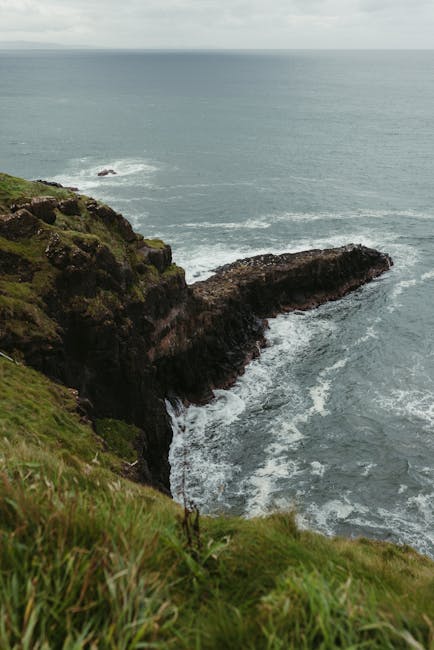
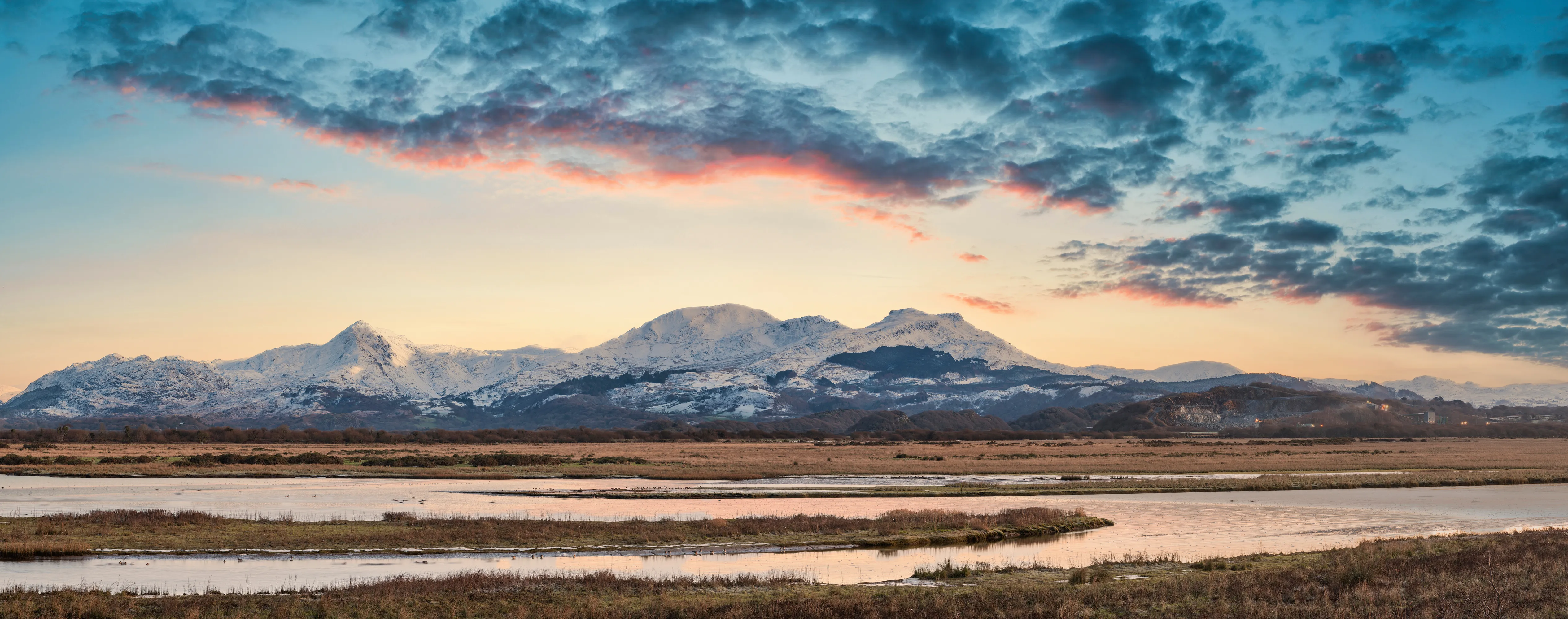
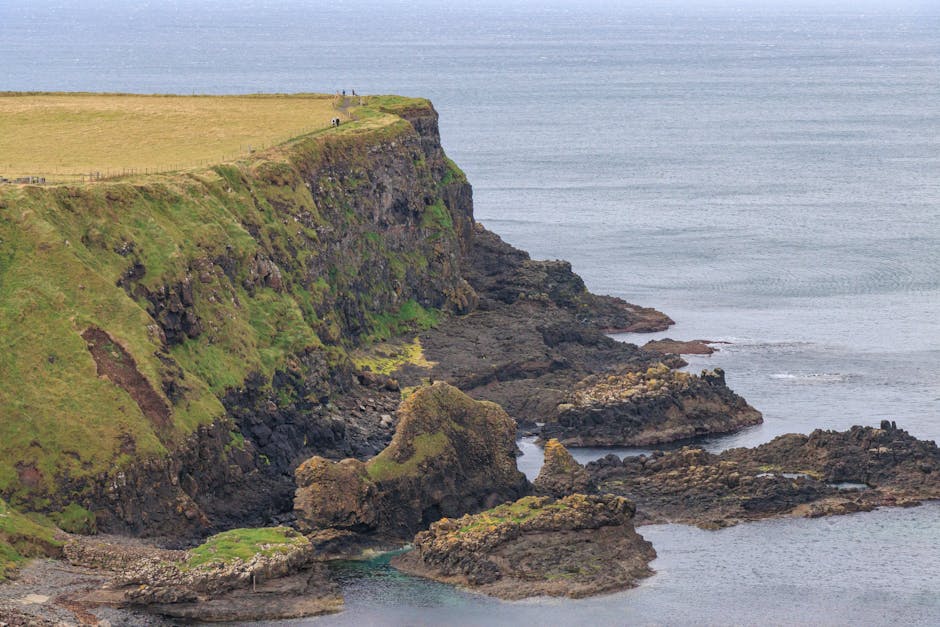
Nestled at the edge of the Atlantic Ocean, Northern Ireland offers a breathtaking tapestry of natural wonders that captivate every explorer’s heart. This enchanting destination is renowned for its rugged coastlines, lush green landscapes, and diverse wildlife that thrive in untouched environments. Whether you’re seeking tranquil walks through ancient woodlands, exhilarating hikes across dramatic cliffs, or opportunities to observe rare bird species, Northern Ireland promises an immersive experience into nature’s most pristine forms. Its rich tapestry of landscapes, from rolling hills to shimmering lakes, creates a haven for outdoor enthusiasts and wildlife lovers alike. Beyond its scenic beauty, the region boasts a deep cultural connection to its natural environment, making every visit a journey into both nature and history. In this guide, you will discover what makes Northern Ireland a truly unique destination for exploring the wild side of life. Prepare to uncover hidden gems, learn about its ecological significance, and find inspiration for your next adventure in this captivating landscape.
Click here to start your Amazon Music Unlimited free trial – travel with music!
Giant’s Causeway
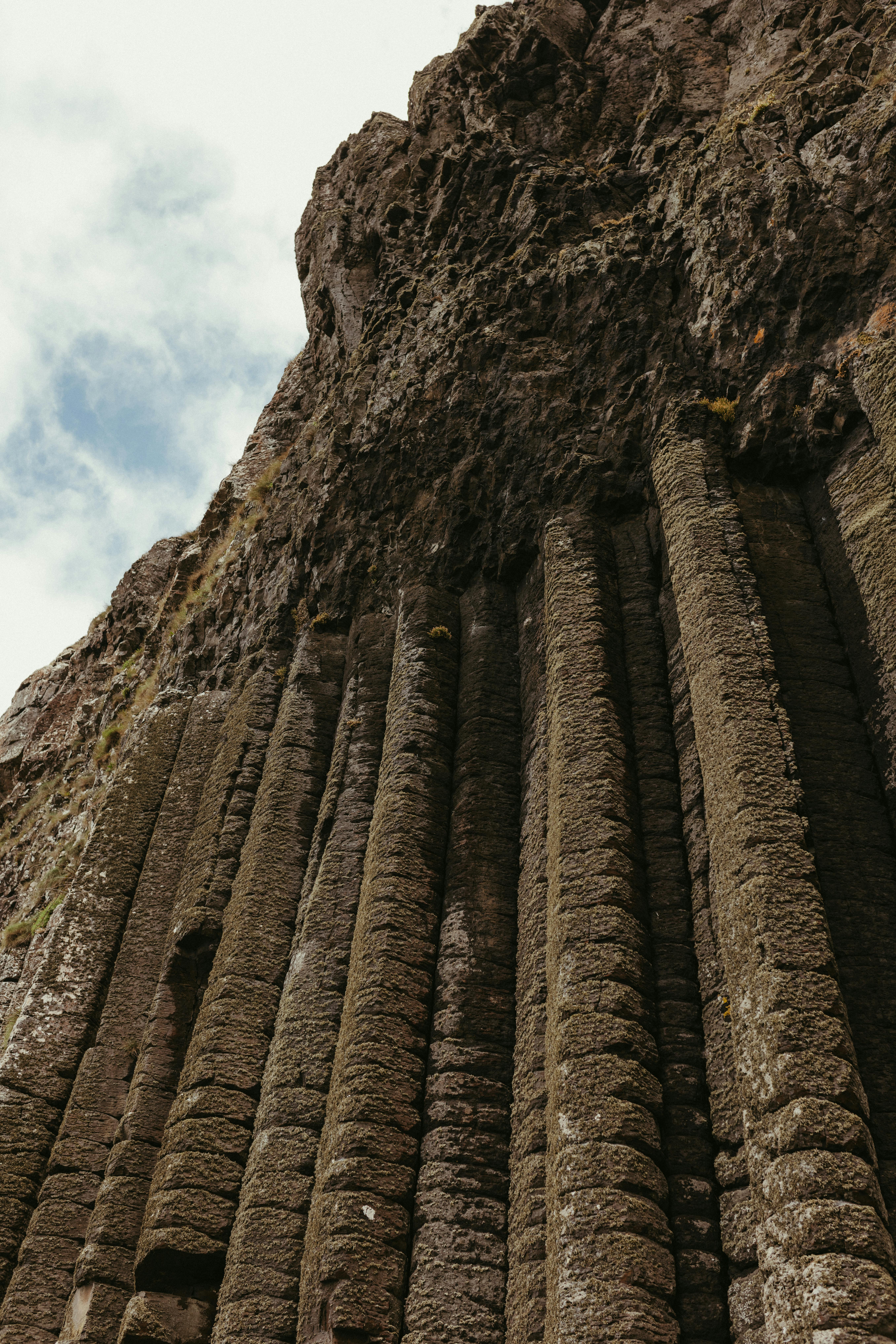
The Giant’s Causeway, located on the rugged northeastern coast of Northern Ireland, is one of the most iconic natural wonders in the world. This UNESCO World Heritage Site boasts an extraordinary landscape of interlocking basalt columns that have captivated visitors for centuries. Formed approximately 60 million years ago during a volcanic eruption, these striking formations create a surreal, almost otherworldly scene that invites exploration and wonder. The site is renowned for its unique geometric shapes, with over 40,000 interlinked columns, many of which are hexagonal, giving the impression of a giant’s stepping stones across the Atlantic Ocean.
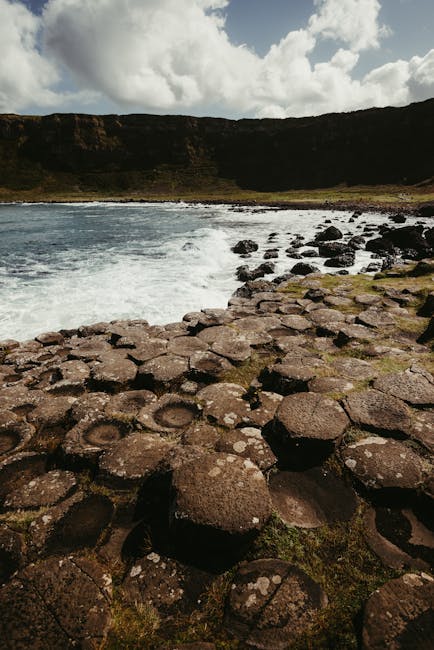
Located near the town of Bushmills in County Antrim, the Giant’s Causeway is easily accessible and well-maintained, making it an ideal destination for nature lovers and curious explorers alike. Visitors are drawn not only to the visual spectacle but also to the legends surrounding the site. According to local folklore, the causeway was built by the giant Finn McCool as a pathway to Scotland, adding a mythic layer to the natural beauty. Walking along the rugged coastline, visitors can enjoy breathtaking views of the Atlantic Ocean, cliffs, and rolling green hills, creating a perfect backdrop for photography and reflection.
Practical information includes a visitor center with informative exhibits about the geology, history, and legends of the site. Guided tours are available, offering insights into the formation process and local folklore. The site is open year-round, with the best time to visit being during spring and summer when the weather is milder. Comfortable walking shoes are recommended, as the terrain can be uneven, especially along the cliff edges. Whether you’re interested in geology, mythology, or simply seeking to immerse yourself in nature’s raw power, the Giant’s Causeway offers a captivating experience that highlights the dramatic beauty of Ireland’s coast.
Carrick-a-Rede Rope Bridge
Perched along the stunning Antrim coast, the Carrick-a-Rede Rope Bridge is a thrilling attraction that combines natural beauty with a dash of adventure. Connecting the mainland to a small island called Carrickarede, this historic bridge spans approximately 20 meters (66 feet) across a deep, rocky chasm. Originally built by local fishermen over 350 years ago, the bridge has since become a popular destination for visitors seeking an adrenaline rush amid spectacular scenery. The bridge’s location offers panoramic views of the rugged coastline, crashing waves, and the Atlantic Ocean, making it an unforgettable experience for nature enthusiasts.
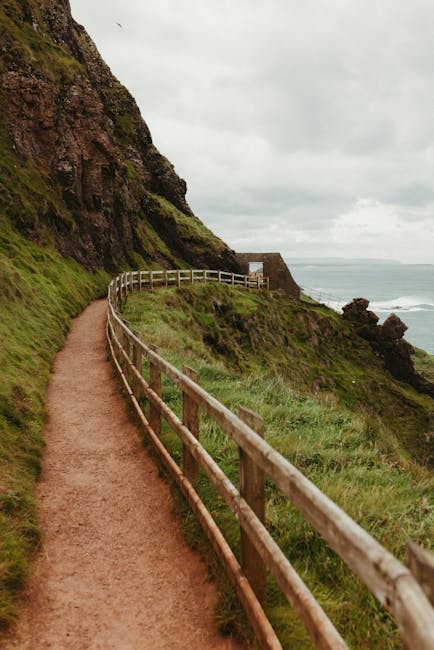
Situated near Ballintoy in County Antrim, the bridge is part of the National Trust’s network of protected sites. Access is via a scenic walk through coastal woodland, leading visitors to the bridge itself. Once there, visitors can test their nerve by crossing the swaying structure, which offers a unique perspective of the wild coastline below. For those less inclined to cross, the surrounding viewpoints provide breathtaking vistas and excellent photo opportunities. The site also features a visitor center with exhibits about local wildlife, the history of the bridge, and conservation efforts.
Practical tips include arriving early or during off-peak times to avoid crowds, especially in summer. The walk to the bridge involves some uphill sections, so comfortable footwear is essential. The bridge is suitable for most visitors, but those with vertigo or mobility issues should exercise caution. The experience encapsulates the raw power of nature and human ingenuity, making it a must-visit for thrill-seekers and nature explorers alike. With its dramatic scenery and rich history, the Carrick-a-Rede Rope Bridge offers a perfect blend of adventure and natural beauty that will linger in your memory long after you leave.
Glenveagh National Park
Nestled in the heart of County Donegal, Glenveagh National Park is a pristine sanctuary that showcases Ireland’s wild, unspoiled landscapes. Covering over 170 square kilometers, the park features rugged mountains, lush woodlands, serene lakes, and expansive peat bogs. It is a haven for outdoor enthusiasts, offering a diverse range of activities such as hiking, birdwatching, and photography. At the core of the park lies Glenveagh Castle, a striking Victorian mansion surrounded by beautifully maintained gardens and set against the backdrop of the Derryveagh Mountains. The park’s remote location and untouched beauty make it a perfect destination for those seeking to explore Ireland’s natural heritage.
Accessible via a scenic drive from Letterkenny, the park offers well-marked trails suitable for all levels of fitness. Visitors can enjoy panoramic views from mountain summits or stroll along peaceful lakeshores. The castle itself is open to the public, with guided tours available that delve into its history and the estate’s former inhabitants. The surrounding gardens are a highlight, featuring native and exotic plants, vibrant flowerbeds, and tranquil pathways. Wildlife is abundant within the park, with opportunities to spot red deer, otters, and numerous bird species, especially during spring and summer.
Practical considerations include bringing sturdy footwear, weather-appropriate clothing, and a camera to capture the breathtaking scenery. The park is open year-round, with visitor facilities including a café, gift shop, and information center. For families, there are picnic areas and gentle walking routes, while more adventurous visitors can tackle mountain trails for a challenging hike. Glenveagh National Park embodies the essence of Ireland’s rugged natural beauty and offers an immersive experience into its pristine wilderness. Whether you are seeking solitude, adventure, or a chance to connect with nature, this park provides a compelling escape into Ireland’s wild heart.
Dark Hedges
The Dark Hedges is one of Northern Ireland’s most iconic natural attractions, renowned for its hauntingly beautiful avenue of intertwining beech trees. Located along the Bregagh Road near Ballymoney in County Antrim, this captivating site has become a must-visit for travelers seeking to immerse themselves in the mysterious beauty of nature. As you walk beneath the arching branches, you’ll feel transported into a fairy-tale landscape that has inspired artists, filmmakers, and photographers alike.
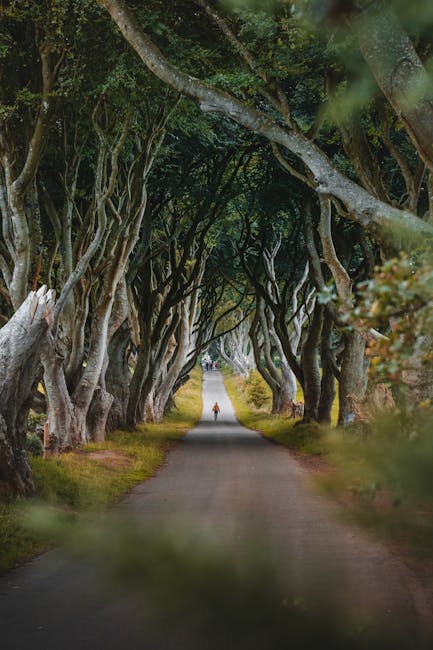
The main feature of the Dark Hedges is the tunnel of beech trees, planted in the 18th century as part of the estate of the Stuart family. Over the centuries, their roots have grown and twisted into intricate shapes, creating a natural canopy that filters sunlight and casts enchanting shadows on the ground below. The avenue stretches for approximately 300 meters, offering a mesmerizing walk that feels like stepping into a fantasy world. This site gained international fame when it was featured as a filming location in the popular TV series Game of Thrones, where it was used as the Kingsroad. As a result, it has drawn countless visitors eager to retrace the show’s iconic scenes.
Visiting the Dark Hedges is best during early morning or late evening hours when the light is softest, enhancing the mystical atmosphere. The site is accessible year-round, with ample parking available nearby. However, during peak seasons or weekends, expect some crowds. To truly appreciate its beauty, consider walking along the avenue slowly, taking in the details of the gnarled branches and textured bark. Photography enthusiasts will find endless opportunities to capture the surreal scenery from different angles.
For those planning a visit, comfortable walking shoes are recommended, and a camera is essential for capturing the enchanting moments. The Dark Hedges not only offers a stunning visual experience but also invites visitors to reflect on the power of nature to create awe-inspiring landscapes that stand the test of time. Whether you’re a nature lover, history enthusiast, or a fan of cinematic landscapes, this site promises a memorable journey into the heart of Northern Ireland’s natural artistry.
Slieve League Cliffs
Perched along the rugged Atlantic coast of County Donegal, the Slieve League Cliffs are among the highest sea cliffs in Europe, offering breathtaking views that captivate every visitor. Located approximately 14 kilometers from the town of Donegal, these cliffs rise dramatically to heights of up to 600 meters (around 1,970 feet) above the Atlantic Ocean, creating a spectacle of raw natural power and beauty. Unlike the more famous Cliffs of Moher, Slieve League remains relatively untouched and less crowded, making it an ideal destination for those eager to explore unspoiled nature and enjoy a sense of solitude.
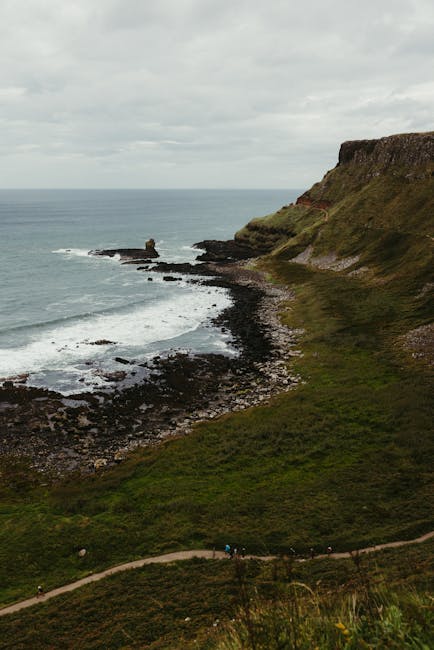
The main features of the site include the towering cliffs, expansive sea views, and the rugged terrain that surrounds them. Visitors can take in sweeping vistas of the Atlantic, where the horizon seems to stretch endlessly. The cliffs are also home to a variety of seabirds, including puffins and razorbills, which add to the site’s vibrant ecosystem. For adventure seekers and nature explorers, there are several walking trails that lead to different vantage points, each offering unique perspectives of the cliffs and the ocean below.
Accessing the cliffs is straightforward, with a visitor center and car park located nearby. From there, well-maintained paths lead to viewpoints such as the Bunglas Viewpoint, which provides a panoramic view of the cliffs and the surrounding coastline. It’s advisable to wear sturdy footwear, as some trails can be uneven and steep. The best time to visit is during clear weather, when visibility is at its peak, and the dramatic scenery is fully revealed. Sunset visits are particularly popular, as the setting sun casts a golden glow over the cliffs, creating unforgettable photo opportunities.
Whether you’re an avid hiker, a photographer chasing dramatic landscapes, or simply someone who appreciates the power of nature, the Slieve League Cliffs deliver a compelling experience. The sense of scale and wild beauty of these cliffs serve as a reminder of nature’s grandeur and resilience. Exploring this remote corner of Ireland offers a chance to connect deeply with the natural world, making it a highlight of any Northern Ireland adventure. Prepare for an awe-inspiring journey that leaves a lasting impression of the rugged Atlantic coast’s majestic splendor.
Best Time to Visit Northern Ireland
Understanding the Climate and Weather
Northern Ireland experiences a temperate maritime climate, characterized by mild summers and cool winters. Summer months, from June to August, tend to be warmer with average temperatures ranging between 14°C and 19°C (57°F to 66°F). Spring (March to May) and autumn (September to November) offer cooler weather but often feature vibrant natural scenery, making these seasons ideal for exploring outdoor landscapes. Winter (December to February) can be quite chilly, with temperatures dropping below 5°C (41°F), and shorter daylight hours limit outdoor activities.
Peak Tourist Seasons and Off-Peak Benefits
The peak tourist season in Northern Ireland generally runs from late June through August, coinciding with school holidays and the warmest weather. During this period, popular attractions like the Giant’s Causeway and Titanic Belfast are bustling, and accommodation prices tend to rise. If you prefer fewer crowds and better deals, consider visiting during the shoulder seasons of spring and autumn. These months offer milder weather, fewer tourists, and the chance to experience the natural beauty of the landscape without the summer crowds.
Practical Tips for Nature Explorers
For travelers focused on exploring nature, the best times are late spring and early autumn. During these months, the countryside is lush and vibrant, with blooming wildflowers and colorful foliage. Additionally, these seasons often bring less unpredictable weather, allowing for more comfortable hikes and outdoor adventures. Planning your trip during off-peak times not only enhances your experience but also provides more flexibility and savings.
Summary: Pros and Cons of Visiting at Different Times
| Time of Year | Pros | Cons |
|---|---|---|
| Summer (June – August) |
|
|
| Spring (March – May) |
|
|
| Autumn (September – November) |
|
|
| Winter (December – February) |
|
|
Ultimately, the best time to visit Northern Ireland depends on your priorities. If you seek warm weather and lively festivals, summer is ideal. For quieter, nature-focused experiences, consider spring or autumn. Understanding these factors can help you tailor your trip to fully enjoy Northern Ireland’s stunning natural beauty.
Getting to Northern Ireland: Your Gateway to Nature and Adventure
Northern Ireland offers a stunning landscape filled with lush forests, rugged coastlines, and breathtaking mountains. To fully immerse yourself in its natural beauty, understanding the best ways to reach this captivating destination is essential. Whether you’re arriving from within the UK or abroad, multiple transportation options ensure a smooth journey to explore its scenic wonders.
Flights to Northern Ireland
The most convenient way for international travelers to reach Northern Ireland is by air. Belfast International Airport (BFS) and City of Derry Airport (LDY) serve as primary gateways. Several major airlines operate direct flights from major hubs like London, Dublin, and other European cities. Once you arrive, you can easily access the national parks, coastal trails, and mountain ranges that define Northern Ireland’s natural appeal.
Train Travel for Scenic Journeys
For those traveling within the UK, train services provide a scenic and comfortable option. The Translink rail network connects Belfast to cities like Derry and other regional destinations. Traveling by train allows you to enjoy Ireland’s lush countryside and rolling hills en route to your natural adventures. Trains are reliable, eco-friendly, and offer a relaxed way to arrive prepared for outdoor exploration.
Bus Services and Regional Transport
Regional and intercity buses connect major towns and rural areas, making it easy to access national parks, coastal paths, and hiking trails. Companies such as Translink operate frequent services, often with scenic routes that highlight the region’s natural beauty. Buses are cost-effective and ideal for those who prefer a flexible schedule while exploring remote areas.
Search for Car Hire
Car Rentals for Ultimate Flexibility
Renting a car offers the greatest flexibility, especially if you want to explore Northern Ireland’s more secluded natural sites. From rugged coastlines to mountain trails, a vehicle allows you to access remote areas at your own pace. Many international and local rental agencies operate at airports and city centers, providing a range of options suitable for all budgets.
Travel Tips and Important Information
- Plan ahead: Book flights and rental cars early, especially during peak tourist seasons.
- Drive on the left: Remember, driving is on the left side of the road in Northern Ireland.
- Check local schedules: Bus and train timetables may vary seasonally, so verify before traveling.
- Weather considerations: Northern Ireland’s weather can be unpredictable. Pack waterproof clothing and sturdy footwear for outdoor adventures.
- Travel insurance: Always opt for comprehensive coverage, especially when engaging in outdoor activities like hiking or mountain biking.
By choosing the right transportation method, you can maximize your time exploring Northern Ireland’s pristine landscapes, from the towering cliffs of the Causeway Coast to the tranquil lakes of the Mourne Mountains. Whether you arrive by plane, train, bus, or car, each option offers a unique perspective on this natural haven.
Best Places to Stay in Northern Ireland: A Guide for Every Budget
Northern Ireland offers a diverse range of accommodations that cater to travelers seeking to explore its stunning natural landscapes. Whether you prefer luxurious comfort, mid-range affordability, or budget-friendly options, there’s a perfect place to rest after a day of adventure. Here, we highlight top choices across different budgets, each providing a unique experience rooted in the region’s natural beauty.
Luxury Options: Indulge in Elegance and Comfort
For those who wish to immerse themselves in Northern Ireland’s breathtaking scenery while enjoying world-class amenities, the Slieve Donard Resort and Spa in Newcastle stands out. Nestled at the foot of the Mourne Mountains, this hotel combines opulence with stunning views of the Irish Sea. Guests can unwind in the spa, dine overlooking the mountains, or take a short walk to explore rugged coastlines and lush forests. Its prime location makes it ideal for nature lovers seeking tranquility and luxury in one package.
Another exceptional choice is the Ballygally Castle Hotel, a historic castle turned boutique hotel. Set amidst landscaped gardens, it offers a regal experience with modern comforts. Its proximity to the Causeway Coast means visitors can enjoy both regal elegance and access to iconic natural wonders like the Giant’s Causeway and Carrick-a-Rede Rope Bridge.
Mid-Range Options: Comfort Meets Accessibility
For travelers seeking a balance between comfort and affordability, the Dufferin Coaching Inn in Derry offers cozy rooms with charming decor and friendly service. Located near the city’s historic walls, it provides easy access to natural parks and scenic walks along the River Foyle. Guests appreciate its hearty breakfast options and warm atmosphere, making it a perfect base for exploring the surrounding countryside.
The Causeway Lodge offers a modern, comfortable stay close to the famous Causeway Coast. With spacious rooms and a welcoming ambiance, it allows guests to enjoy the region’s natural beauty without breaking the bank. Its proximity to walking trails and coastal vistas makes it an excellent choice for nature enthusiasts.
Budget-Friendly Stays: Explore Without Overspending
Travelers on a tighter budget can consider the Jury’s Inn Belfast. Located in the heart of Belfast, it offers clean, comfortable rooms at an affordable rate, with easy access to nearby parks, rivers, and urban green spaces. Its central location means you can explore Northern Ireland’s natural and cultural attractions without extensive travel.
For a more rural experience, Clandeboye Lodge Hotel provides budget-friendly rooms amidst beautiful parklands near County Down. Its scenic setting offers opportunities for scenic walks, birdwatching, and discovering the region’s natural charm without overspending.
| Accommodation Type | Name | Highlights | Location |
|---|---|---|---|
| Luxury | Slieve Donard Resort and Spa | Sea views, spa, Mourne Mountains access | Newcastle |
| Luxury | Ballygally Castle Hotel | Historic castle, gardens, coast access | Ballygally |
| Mid-Range | Dufferin Coaching Inn | Charming decor, city access, river views | Derry |
| Mid-Range | Causeway Lodge | Modern comforts, coastal proximity | Ballycastle |
| Budget | Jury’s Inn Belfast | Affordable, central location | Belfast |
| Budget | Clandeboye Lodge Hotel | Scenic parkland, birdwatching | County Down |
Whichever budget you choose, Northern Ireland’s accommodations provide a perfect base to explore its spectacular landscapes. From rugged coastlines and lush mountains to historic towns, staying in the right place will deepen your connection with the region’s natural wonders.
Essential Travel Products for Exploring Northern Ireland
1. Waterproof Hiking Backpack: The NorthFace Borealis
For travelers eager to explore Northern Ireland’s rugged landscapes and scenic trails, a reliable waterproof hiking backpack is indispensable. The NorthFace Borealis offers a perfect blend of durability, comfort, and weather resistance. Crafted from high-denier recycled polyester, it withstands rain showers common in the region, ensuring your belongings stay dry. Its spacious main compartment easily accommodates essentials like a camera, water bottles, snacks, and extra layers of clothing. Additionally, it features a dedicated laptop sleeve, making it ideal for tech-savvy travelers who want to document their adventures.
The backpack’s ergonomic design includes padded shoulder straps and a breathable mesh back panel, which reduces fatigue during long hikes or day trips. Multiple external pockets provide quick access to maps, compasses, or sunglasses. Its sleek, lightweight profile makes it easy to carry through narrow trail paths or city streets. Whether you’re exploring the Giant’s Causeway or walking along the Causeway Coast, this backpack ensures you’re prepared for unpredictable weather and changing terrains.
Available at outdoor retailers like REI or Amazon, the NorthFace Borealis is a trusted companion for outdoor enthusiasts. Its durability and thoughtful features make it an excellent investment for visitors wanting to immerse themselves in Northern Ireland’s natural beauty.
2. All-Weather Travel Jacket: Columbia Watertight II
Northern Ireland’s climate can be unpredictable, with frequent rain and cool temperatures, even in summer. The Columbia Watertight II jacket offers a lightweight, packable solution that keeps travelers dry and comfortable. Made with waterproof, breathable fabric, it prevents rain from seeping in while allowing sweat to escape, keeping you dry from the inside out. Its adjustable hood, cuffs, and hem provide a customizable fit, ensuring maximum protection against the elements.
This jacket is also highly versatile and easily folds into its own pocket, making it convenient to carry in your backpack or luggage. Its sleek design pairs well with outdoor gear and casual travel wear, making it suitable for both city exploration and countryside adventures. The jacket’s durable construction means it can withstand the rugged terrains of Northern Ireland’s coastlines and national parks.
You can purchase the Columbia Watertight II at outdoor stores like Dick’s Sporting Goods or online through Columbia’s official website. Its affordability and practicality make it an essential item for any traveler seeking to explore Northern Ireland’s natural wonders without being hindered by weather conditions.
Get these travel essentials from Amazon
Guidebooks for Exploring Nature, Wildlife, and Natural Beauty in Northern Ireland
1. Nature, Wildlife and Natural Beauty Travel Guide Northern Ireland (Kindle Unlimited & Audible)
This comprehensive guide offers an in-depth look at Northern Ireland’s most breathtaking natural sites, from the iconic Giant’s Causeway to serene lakes and lush forests. It provides detailed descriptions, high-quality maps, and practical tips on the best times to visit each location. The book emphasizes responsible wildlife viewing and offers insights into local flora and fauna, making it ideal for nature lovers eager to deepen their understanding of the region’s ecological richness. Whether you’re interested in birdwatching, coastal walks, or exploring hidden waterfalls, this guide helps you plan immersive eco-adventures. Available on Kindle Unlimited and Audible, it allows travelers to learn on the go, enriching their experience of Northern Ireland’s natural tapestry.
2. Northern Ireland Wildlife and Nature Guide (Kindle Unlimited & Audible)
This book is tailored for wildlife enthusiasts, highlighting Northern Ireland’s diverse ecosystems. It covers key habitats such as the Antrim Coast, the Sperrin Mountains, and the Fermanagh Lakelands. The guide features detailed profiles of native species, including red deer, otters, and rare bird species like the chough. It also offers practical advice on spotting wildlife responsibly and the best locations for nature safaris. The narrative style is engaging, making it accessible for travelers of all ages. With its availability on Kindle Unlimited and Audible, visitors can familiarize themselves with the region’s biodiversity before setting out, ensuring a more meaningful encounter with nature during their trip.
3. Exploring Northern Ireland’s Natural Wonders (Kindle Unlimited & Audible)
This guide takes a holistic approach, combining scenic routes, geological insights, and ecological highlights. It features detailed itineraries for day trips and longer excursions, focusing on Northern Ireland’s most spectacular landscapes. The book emphasizes exploring lesser-known areas, such as the quiet glens and remote coastal paths, perfect for travelers seeking solitude and untouched beauty. Its rich descriptions and storytelling style help readers visualize the landscapes, inspiring them to venture off the beaten path. Available on Kindle Unlimited and Audible, this resource ensures travelers are well-equipped to discover the natural marvels of Northern Ireland with confidence and curiosity.
Download travel audiobooks & listen anywhere – free trial!
Frequently Asked Questions About Nature, Wildlife, and Natural Beauty Travel in Northern Ireland
What are the must-visit natural attractions for nature lovers in Northern Ireland?
Northern Ireland offers a wealth of breathtaking natural sites that appeal to explorers seeking untouched landscapes and vibrant wildlife. Among the top destinations are the iconic Giant’s Causeway, renowned for its unique hexagonal basalt columns formed by ancient volcanic activity. Additionally, the Mourne Mountains provide rugged terrain perfect for hiking, birdwatching, and experiencing panoramic views. The Glens of Antrim, with their lush valleys and waterfalls, offer a tranquil escape into pristine nature. Donard Park, nestled at the foot of Slieve Donard, combines forested trails with stunning coastal scenery. These sites exemplify the diverse beauty awaiting visitors who want to immerse themselves in Northern Ireland’s natural environment.
When is the best time to visit for wildlife viewing and outdoor activities?
The optimal time to explore Northern Ireland’s natural beauty depends on your interests. For wildlife enthusiasts, late spring (April to June) and early autumn (September to October) are ideal, as many species are active and the weather remains mild. During these months, bird migrations and sightings of local fauna are most prominent. For outdoor activities like hiking and sightseeing, summer months (June to August) offer longer daylight hours and warmer temperatures, making it easier to explore remote areas comfortably. However, visiting in shoulder seasons can mean fewer crowds and more serene experiences. Regardless of the season, always check local weather forecasts, as Northern Ireland’s climate can be unpredictable, especially in coastal regions.
Are there guided tours or eco-friendly activities available for visitors?
Absolutely. Northern Ireland boasts a variety of eco-conscious tours designed to enhance your connection with nature while minimizing environmental impact. Many local operators offer guided walks, wildlife safaris, and boat trips focusing on conservation and education. For example, birdwatching tours in the Strangford Lough area allow visitors to observe diverse species in their natural habitat, led by knowledgeable guides. Additionally, eco-friendly adventure companies provide activities like kayaking, cycling, and forest treks that promote sustainable tourism. Participating in these experiences not only enriches your understanding of the local ecosystem but also supports conservation efforts and local communities.
What should I pack for exploring Northern Ireland’s natural landscapes?
When planning your trip, packing smart is essential. Consider bringing waterproof clothing, as weather can change rapidly, especially in coastal and mountain areas. Sturdy hiking boots with good grip will ensure safety on uneven terrain. Layered clothing helps adapt to temperature fluctuations throughout the day. Don’t forget essentials like a camera or binoculars for wildlife viewing, a refillable water bottle, sun protection, and insect repellent. If you plan to visit remote areas, a small backpack with snacks, a map, and a portable charger can be very useful. Preparing adequately ensures a comfortable and safe exploration of Northern Ireland’s diverse environments.
Is it possible to see wildlife in their natural habitats without disturbing them?
Yes, Northern Ireland offers numerous opportunities for observing wildlife ethically and responsibly. Many nature reserves and protected areas have designated viewing points and guided tours that minimize disturbance. For instance, birdwatchers can visit Strangford Lough or the RSPB reserve at Belfast Harbour, where hides and observation decks are designed for discreet viewing. When observing animals, maintain a respectful distance, avoid loud noises, and do not feed wildlife. Participating in guided tours enhances your chances of spotting elusive species while ensuring your actions support conservation efforts. Remember, responsible wildlife viewing helps preserve these habitats for future generations to enjoy.
What makes Northern Ireland a unique destination for exploring nature compared to other regions?
Northern Ireland stands out because of its dramatic landscapes shaped by volcanic activity, glacial movements, and coastlines that stretch for miles. Its blend of rugged mountains, lush valleys, and pristine coastlines creates a diverse tapestry of natural beauty. What truly makes it special is the sense of untouched wilderness combined with accessible outdoor activities. Moreover, the region’s commitment to conservation and eco-tourism means visitors can enjoy pristine environments while supporting local efforts. Whether exploring the mystical Giant’s Causeway, wandering through ancient forests, or watching seabirds nesting along the coast, travelers are immersed in a landscape that feels both wild and welcoming. This combination of natural grandeur and sustainable tourism makes Northern Ireland a must-visit destination for nature explorers.
Start saving instantly – cashback on travel & shopping!
Discover the Untamed Beauty of Northern Ireland: Your Next Nature Adventure Awaits
In conclusion, Northern Ireland offers an unparalleled opportunity to immerse yourself in breathtaking landscapes, vibrant wildlife, and pristine natural wonders. From the rugged coastlines of the Causeway Coast to the serene tranquility of the Mourne Mountains, each destination invites explorers to connect deeply with nature. The region’s diverse habitats support a wide array of wildlife, making it an ideal spot for birdwatching, hiking, and outdoor photography. Notably, the Giant’s Causeway stands out as a geological marvel, while the lush forests and rolling hills provide peaceful retreats away from urban life.
As you plan your journey, consider exploring lesser-known gems like the Glens of Antrim or the silent beauty of Lough Neagh. These areas offer unique perspectives on Northern Ireland’s natural heritage, encouraging a true sense of discovery. Whether you’re seeking adventure or tranquility, this destination promises memorable experiences rooted in nature’s raw splendor.
Now is the perfect time to embrace the outdoors and explore Northern Ireland’s natural treasures. Pack your gear, bring your curiosity, and let the landscape inspire your spirit of adventure. The wild beauty of this region is waiting to be uncovered—don’t miss your chance to create unforgettable memories in one of Europe’s most captivating natural destinations.