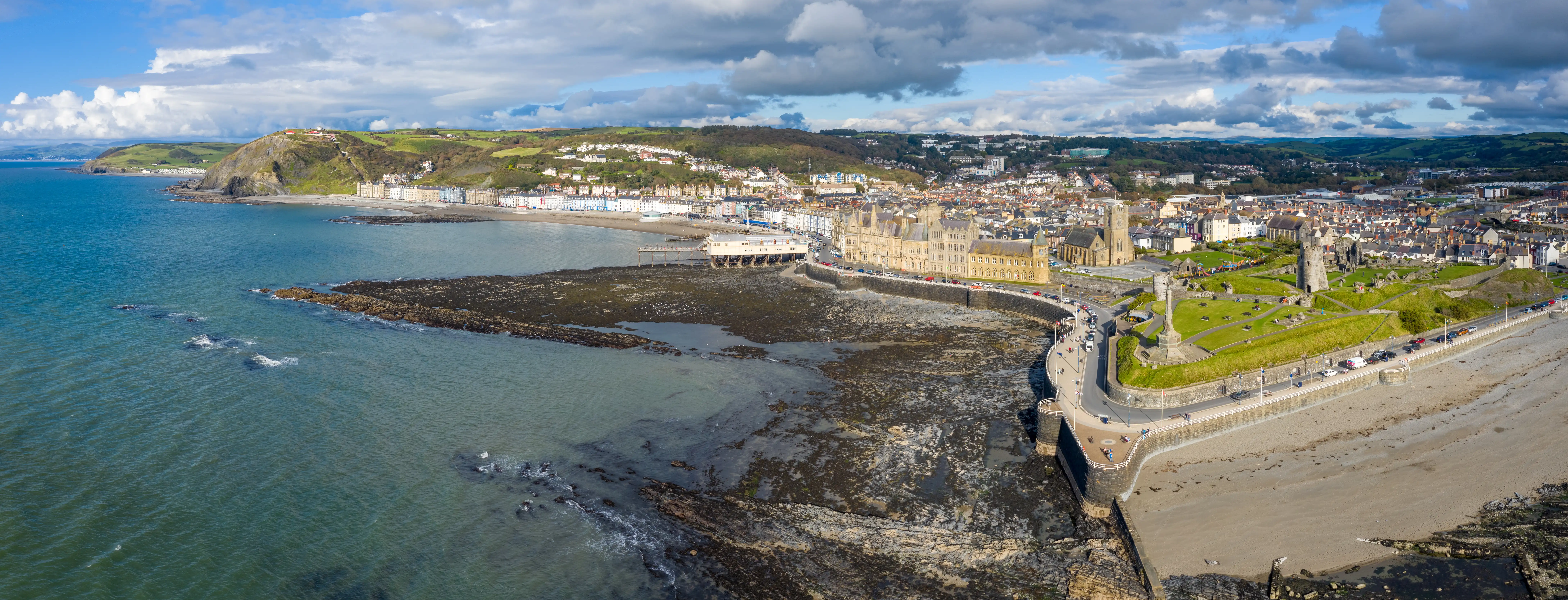
Best Historic Destinations Travel Guide Wales
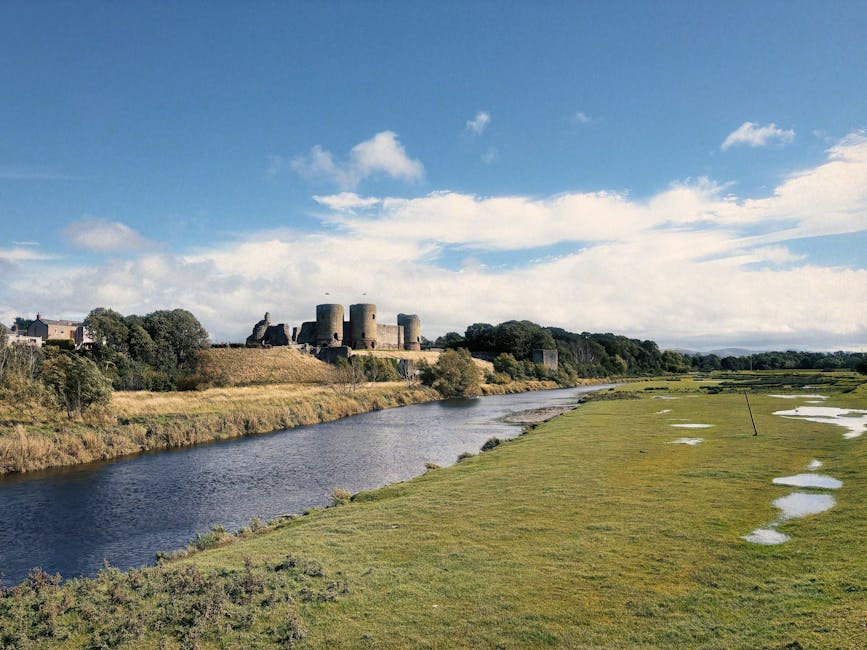
Nestled amidst rolling hills, rugged coastlines, and lush valleys, Wales stands as a testament to centuries of captivating history and cultural resilience. This enchanting land invites travelers to explore its storied past, where ancient castles, legendary battles, and timeless traditions intertwine to create a truly immersive experience. Wales is not just about picturesque scenery; it’s a living museum that offers a window into its vibrant heritage, from medieval fortresses to mythic legends that continue to shape its identity. Whether you’re a history enthusiast, a curious adventurer, or simply seeking inspiration from the past, Wales promises a journey filled with discovery and wonder.
In this guide, you will find an engaging overview of Wales’s most significant historic destinations. We will delve into what makes each site unique, highlighting their cultural importance and hidden stories. Expect insights into the architecture, legends, and historical significance that make Wales a must-visit for anyone eager to explore history. Prepare to uncover the secrets of a land where every stone tells a story, and every corner whispers the echoes of centuries gone by.
Castell Coch
Perched dramatically on a hilltop near Cardiff, Castell Coch is a stunning example of Victorian Gothic revival architecture set against the lush Welsh landscape. Originally built in the 13th century, the current castle was reconstructed in the late 19th century under the design of architect William Burges, commissioned by the Marquis of Bute. Its whimsical turrets, battlements, and intricate stonework evoke a fairy-tale castle straight out of a storybook, making it a captivating destination for history enthusiasts and architecture lovers alike.
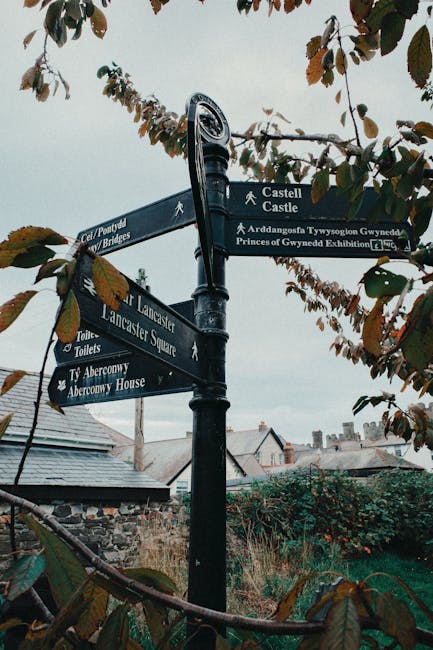
Inside, visitors are transported into a fantasy world of richly decorated rooms, each filled with medieval-inspired furnishings, stained glass windows, and detailed woodwork. The castle’s interior reflects Burges’s elaborate style, with vibrant colors and ornate motifs that evoke a sense of grandeur and whimsy. The castle’s strategic location offers breathtaking views of the surrounding woodland and the Vale of Glamorgan, adding to its enchanting atmosphere.
Castell Coch is worth visiting not only for its fairy-tale appearance but also for its fascinating history. It served as a defensive stronghold in medieval times, though much of its current form is a Victorian reconstruction. The site provides insight into both medieval and Victorian eras, making it a perfect spot for exploring the layers of Welsh history. The castle is also part of the National Trust, ensuring well-maintained grounds and informative guided tours that delve into its architectural and historical significance.
Practical information for visitors includes ample parking nearby, accessibility options, and a charming café on-site. Guided tours are available, providing detailed stories about the castle’s history, architecture, and the life of William Burges. Visiting Castell Coch offers a unique opportunity to explore a fairy-tale castle that embodies both medieval strength and Victorian fantasy, making it an essential stop for anyone interested in exploring the rich tapestry of Welsh history and architecture.
Cardiff Castle
Located in the heart of Cardiff, Cardiff Castle stands as a testament to centuries of Welsh history, blending Roman, medieval, and Victorian influences into a striking historic site. The castle’s origins date back to Roman times when a fort was established on this strategic site. Over the centuries, it was transformed into a medieval fortress, with significant additions made during the 19th-century Victorian renovation, commissioned by the 3rd Marquess of Bute. Today, the castle offers visitors a captivating journey through history, architecture, and royal grandeur.
The main features of Cardiff Castle include its impressive medieval walls, the lavish Victorian Gothic interiors of the Marquess’s Castle, and the ancient Roman walls that still stand within the grounds. Visitors can explore the castle’s towers, battlements, and underground tunnels, each revealing different facets of its long history. The castle grounds also feature beautifully maintained gardens, a clock tower, and a Roman wall that offers a glimpse into the site’s ancient past.
Why is Cardiff Castle worth visiting? Its rich history spans over two millennia, and the site’s architecture vividly illustrates the evolution from Roman fortifications to Victorian fantasy. Guided tours are available, providing fascinating stories about the castle’s past inhabitants, including medieval knights and Victorian aristocrats. The castle also hosts various events, exhibitions, and reenactments, enhancing the visitor experience.
Practical details include on-site parking, accessible pathways, and a visitor center with informative displays. The castle’s central location makes it easily accessible from Cardiff city center, making it an ideal day trip destination. Whether interested in ancient history, medieval warfare, or Victorian architecture, Cardiff Castle offers an immersive experience that vividly brings Welsh history to life.
Conwy Castle
Perched on the north coast of Wales, Conwy Castle is a masterpiece of medieval military architecture and a UNESCO World Heritage Site. Built between 1283 and 1289 by King Edward I to assert English dominance over Wales, the castle is a formidable fortress designed to withstand sieges and invasions. Its commanding position overlooking the Conwy River allowed for strategic defense and control of the surrounding region. Today, Conwy Castle remains remarkably well-preserved, offering visitors a glimpse into medieval warfare and royal power.

Conwy Castle boasts massive curtain walls, 21 towers, and a central keep that dominates the landscape. The walls stretch over a mile, encircling the town and providing panoramic views of the Conwy valley and coastline. Visitors can walk along the ramparts, explore the towers, and imagine the medieval soldiers defending this formidable stronghold. The castle’s design incorporates advanced defensive features, including murder holes, portcullises, and arrow slits, which are still visible today.
What makes Conwy Castle particularly compelling is its historical significance. It played a vital role during various conflicts, including the Welsh uprising led by Llywelyn ap Gruffudd. The castle also served as a royal residence and administrative center. Today, it offers interactive exhibitions and guided tours that delve into its military architecture and historical context. The surrounding town, with its cobbled streets and medieval walls, complements the castle experience, creating an authentic atmosphere of the Middle Ages.
Practical tips for visitors include ample parking nearby, guided tour options, and accessible pathways for most visitors. The site is open year-round, with the best visiting times during spring and summer when the views are at their most spectacular. Exploring Conwy Castle is an immersive journey into medieval Wales, revealing the strategic brilliance and enduring legacy of one of the nation’s most iconic fortresses.
Caernarfon Castle
Perched majestically on the northern coast of Wales, Caernarfon Castle is an iconic symbol of medieval power and Welsh history. Built by King Edward I between 1283 and 1330, this fortress was designed not only as a military stronghold but also as a royal palace and a statement of English dominance over Wales. Its imposing walls and intricate battlements make it one of the most impressive castles in the United Kingdom. Visitors are often struck by its massive stone walls, polygonal towers, and the sense of stepping back in time to an era of knights and royal ambitions.

Located within the historic town of Caernarfon in Gwynedd, the castle is easily accessible and well-preserved, offering a comprehensive glimpse into medieval military architecture. Its design is unique, featuring a polygonal layout that is both aesthetically striking and strategically effective. The walls stretch over a mile, enclosing a complex of towers, gatehouses, and a large courtyard. The castle’s most famous feature is the Eagle Tower, which provides panoramic views of the surrounding landscape and the Menai Strait. Walking along the battlements, visitors can imagine the castle’s role in defending the region and asserting royal authority.
Caernarfon Castle is worth visiting for history enthusiasts and families alike. Its grandeur and historical significance make it a must-see landmark. The site regularly hosts reenactments, guided tours, and educational events that bring the stories of medieval Wales to life. Practical information for visitors includes ample parking nearby, guided tours available throughout the day, and a visitor center with informative exhibits. The castle is also accessible for those with mobility challenges, ensuring everyone can enjoy its rich history and stunning views. Whether exploring its ramparts or learning about its role in Welsh history, Caernarfon Castle offers an immersive experience into Wales’s medieval past.
Tintern Abbey
Nestled in the lush Wye Valley, Tintern Abbey is a breathtaking example of Gothic monastic architecture and one of Wales’s most cherished ruins. Founded in 1131 by Cistercian monks, the abbey flourished for centuries before falling into ruin during the Dissolution of the Monasteries in the 16th century. Today, the site remains a captivating destination for visitors seeking to explore history amid natural beauty. Its picturesque setting, with the River Wye flowing nearby and the surrounding woodland, creates an atmosphere of serenity and reflection. The abbey’s remaining walls and arches stand as a testament to medieval craftsmanship and spiritual life.

Located approximately 5 miles from the town of Chepstow in Monmouthshire, Tintern Abbey is easily accessible by car or public transport. Visitors are greeted by the impressive stone ruins, which include soaring Gothic windows, intricate stone carvings, and the remains of the cloisters and chapter house. As you wander through the site, you can imagine the monks’ daily routines and the abbey’s role as a center of learning, agriculture, and spiritual devotion during the Middle Ages. The abbey’s scenic surroundings also make it a popular spot for photography, picnics, and leisurely walks along the riverbank.
Exploring Tintern Abbey offers a unique opportunity to connect with Wales’s rich religious and architectural history. The site is well-maintained, with informative plaques and a visitor center that provides insights into its past. Guided tours are available, offering deeper stories about the monks’ lives and the abbey’s significance. Practical tips for visitors include comfortable walking shoes, as some areas are uneven, and the importance of respecting the preservation efforts. Whether you’re an architecture enthusiast, a history lover, or simply seeking a tranquil natural setting, Tintern Abbey provides a memorable journey into Wales’s medieval heritage and scenic landscapes.
Best Time to Visit Wales: A Practical Guide for History Enthusiasts
Understanding Wales’ Climate and Weather
Wales experiences a temperate maritime climate, meaning it has mild temperatures and frequent rainfall throughout the year. Summers, from June to August, tend to be warmer, with average highs around 19°C to 22°C (66°F to 72°F). Winters, from December to February, are cooler but rarely extreme, averaging around 4°C to 8°C (39°F to 46°F). For travelers eager to explore historical sites comfortably, late spring and early autumn often provide the best weather—less rain and pleasant temperatures—ideal for outdoor exploration.
Peak Tourist Seasons and Their Appeal
The busiest period in Wales coincides with the summer months, especially July and August. During this time, popular historical attractions such as Conwy Castle, Caernarfon Castle, and the Roman Legion Museum see higher visitor numbers. This surge is partly due to school holidays and warm weather, making it a lively time to experience local festivals and events. However, crowded sites can mean longer queues and higher prices for accommodation.
Off-Peak Benefits for History Lovers
Visiting during the shoulder seasons—spring (April to June) and autumn (September to October)—offers distinct advantages. Fewer tourists mean more intimate experiences at historical sites. Additionally, the landscape is particularly stunning during these months, with blooming flowers or vibrant fall foliage enhancing your journey through Wales’ rich past. Moreover, off-peak travel often results in better deals on accommodations and transportation, making it a practical choice for budget-conscious travelers eager to delve into history without the crowds.
Summary of Pros and Cons
| Timing | Pros | Cons |
|---|---|---|
| Summer (June–August) | Warm weather, lively festivals, longer days | Crowds at major sites, higher prices, busy roads |
| Spring & Autumn (April–June, September–October) | Fewer tourists, pleasant weather, vibrant landscapes | Variable weather, some sites may have limited hours |
| Winter (November–February) | Quiet attractions, lower prices, cozy atmosphere | Cold weather, shorter days, some sites may close |
Choosing the best time to visit Wales depends on your preferences. If you enjoy festivals and warmer weather, summer is ideal. For a quieter, more budget-friendly experience focused on history, consider spring or autumn. Regardless of the season, Wales’s rich heritage awaits your exploration, offering a captivating experience year-round.
Getting to Wales: Your Gateway to a Rich Historical Journey
Wales, a land steeped in history and legend, offers travelers an extraordinary experience. Whether you are arriving for its ancient castles, rugged landscapes, or vibrant culture, understanding the best ways to reach Wales ensures your journey begins smoothly. From major airports and train routes to scenic drives, exploring your options will help you choose the most convenient and enriching travel method.
Flights to Wales
The most efficient way to reach Wales from international destinations is via flights. Major airports serving Wales include Cardiff Airport (CWL), located in the capital city, and Swansea Airport, which offers seasonal services. Several airlines operate routes from Europe, North America, and other parts of the UK, providing direct or connecting flights. When booking, consider arriving at Cardiff Airport for the most comprehensive options. Early booking can often secure better fares, especially during peak tourist seasons. Once you land, local transportation options make it easy to explore the region’s historic sites.
Train Travel: Connecting the Past with the Present
For travelers already within the UK, train travel offers a scenic and comfortable way to explore Wales. The main rail lines connect London, Birmingham, Manchester, and other major cities directly to Cardiff, Swansea, and Newport. The train journey from London to Cardiff, for example, takes approximately two hours, passing through picturesque countryside that echoes Wales’s historic landscapes. Booking tickets in advance can save money, and choosing off-peak times often results in a more relaxed journey. Trains also provide a window into the country’s rich past, as many routes pass through historic towns and regions.
Bus and Coach Services
Long-distance buses and coaches are a budget-friendly way to reach Wales, especially from nearby UK cities. Companies like National Express and Megabus operate routes to Cardiff, Swansea, and other key destinations. These services are reliable and offer frequent departures, making them suitable for flexible travelers. Keep in mind that buses may take longer than trains but can be more economical, especially if you book tickets early or find special deals.
Driving to Wales: Scenic Routes and Road Tips
If you prefer a flexible, scenic journey, renting a car is an excellent choice. The UK’s extensive motorway network connects Wales to England and beyond. Popular routes include the M4 motorway from London and the M6 from the north. Driving allows you to explore remote castles, rugged coastlines, and historic villages at your own pace. Remember to drive on the left side of the road, and plan your route ahead to include interesting stops along the way. Parking in city centers can be limited, so check local parking options in advance.
Travel Tips and Important Information
- Consider purchasing an Oyster card or rail pass for discounted travel within cities and on train routes.
- Check visa requirements if traveling from outside the UK or EU, especially for longer stays.
- Plan your route ahead of time, especially if visiting remote castles or historic sites in rural areas.
- Weather can be unpredictable; pack layers and waterproof clothing for exploring outdoor sites.
- For an immersive experience, combine different transportation modes—train to a city, then rent a car for countryside exploration.
Exploring the history of Wales begins even before you arrive. By choosing the right transportation options, you set the stage for an unforgettable journey through time, landscapes, and legends. Whether flying into its historic cities or driving through its ancient landscapes, your adventure to Wales promises to be as enriching as the destinations themselves.
Best Places to Stay in Wales: A Guide for Every Budget
Luxurious Stays: Experience Welsh Heritage in Style
If you seek an indulgent experience that combines comfort with a touch of history, Wales offers some exceptional luxury accommodations. The Twr y Felin Hotel in Pembroke is a standout choice. Housed in a former windmill, this boutique hotel seamlessly blends historic charm with modern elegance. Guests can enjoy beautifully restored rooms, a gourmet restaurant, and stunning views of the surrounding countryside, all while immersing themselves in Wales’ rich maritime heritage.
Another top-tier option is the Pennyhill Park Hotel & Spa in the Wye Valley. Although technically in England, it’s just a short drive from the Welsh border, offering a regal experience with spa treatments, fine dining, and luxurious suites. This stay is perfect for travelers who want to indulge in Welsh history while enjoying world-class amenities.
Mid-Range Marvels: Comfort with a Touch of Culture
For those who want to explore Wales’ history without splurging, mid-range hotels provide excellent value. The The Angel Hotel in Cardiff is a historic landmark dating back to the 19th century. Its elegant architecture and central location make it ideal for exploring the city’s historic sites, including Cardiff Castle and the National Museum.
In North Wales, the Erw Fair Hostel & Borth offers a cozy, budget-friendly stay with a focus on local culture. It’s perfect for history enthusiasts who want a simple yet authentic experience, with easy access to nearby castles, ancient ruins, and scenic walking trails.
Budget-Friendly Options: Discover Wales’ Heritage on a Shoestring
Travelers on a tight budget can still enjoy Wales’ history-rich environment. The YHA Snowdon Llanberis hostel provides affordable accommodation nestled at the foot of Mount Snowdon. It’s a fantastic base for exploring ancient paths, old mining towns, and historic villages in Snowdonia National Park.
Additionally, the The Old Post Office in Machynlleth offers a charming, budget-friendly bed and breakfast experience. It’s located in a town known for its medieval history and vibrant market culture, making it an ideal spot for history buffs seeking an affordable stay.
Summary Table of Accommodation Options
| Budget Level | Recommended Accommodation | Highlights |
|---|---|---|
| Luxury | Twr y Felin Hotel | Historic windmill, modern luxury, panoramic views |
| Mid-Range | The Angel Hotel | Historic architecture, central Cardiff, cultural hub |
| Budget | YHA Snowdon Llanberis | Affordable, scenic location, access to Snowdonia |
Whether you’re seeking grandeur, comfort, or affordability, Wales offers accommodations that enrich your journey into its captivating history. Each stay promises a unique experience, allowing you to explore Wales’ heritage while enjoying your preferred level of comfort.
Essential Travel Products for Visiting Wales
1. Waterproof Hiking Shoes
Exploring Wales often involves traversing its rugged landscapes, from the scenic trails of Snowdonia to the coastal paths along the Pembrokeshire Coast. A pair of high-quality waterproof hiking shoes is indispensable for any traveler eager to explore these diverse terrains. Brands like Salomon and Merrell offer durable, comfortable options designed to withstand wet conditions while providing excellent grip and support. Features to look for include breathable waterproof membranes, cushioned insoles, and sturdy outsoles with deep treads for traction on uneven surfaces.
These shoes ensure your feet stay dry and comfortable, even during sudden rain showers common in Welsh weather. Their lightweight construction allows for long hikes without fatigue, making them perfect for day-long explorations. You can purchase these shoes from outdoor retailers like REI, Cotswold Outdoor, or Amazon, where user reviews can help you select the best fit for your adventure. Investing in reliable waterproof footwear enhances your ability to explore Wales’ historic sites and natural wonders without discomfort or interruption.
2. Compact Travel Umbrella
Wales’ weather is famously unpredictable, with frequent showers that can occur at any time of year. A compact travel umbrella becomes an essential item, ensuring you stay dry while wandering through castles, villages, or along coastal paths. Look for models such as the Davek Elite or the GustBuster, which are known for their wind-resistant frames and sturdy canopy fabrics. These umbrellas are lightweight, easily fitting into a backpack or handbag, making them perfect for spontaneous rainstorms.
Having a reliable umbrella on hand allows you to continue sightseeing without frustration or the need to seek shelter. It also offers protection from the sun on brighter days. You can find these umbrellas at outdoor gear stores, department stores, or online platforms like Amazon and REI. A small, durable umbrella ensures that weather never halts your journey into Wales’ rich history and stunning landscapes.
See why travelers buy these on Amazon
Guidebooks for Exploring Wales’ Historic Destinations
1. “Best Historic Destinations Travel Guide Wales” (Kindle Unlimited & Audible)
This comprehensive guidebook offers detailed insights into Wales’ most iconic historic sites, from ancient castles to prehistoric sites. It provides in-depth background stories, practical visiting tips, and maps that help travelers navigate effortlessly through regions like Cardiff, Conwy, and Pembroke. The book is ideal for history enthusiasts eager to explore Wales’ rich past while enjoying a well-structured itinerary. Its availability on Kindle Unlimited and Audible makes it convenient for travelers to access on the go, whether reading or listening during commutes or walks.
2. “Wales: A Journey Through Time” (Kindle Unlimited & Audible)
Focusing on the historical evolution of Wales, this book offers a narrative that combines archaeological findings with cultural stories. It guides readers through the ages, from Celtic tribes and Roman occupation to medieval castles and industrial heritage. The engaging storytelling makes it perfect for those who want to immerse themselves in Wales’ history beyond just visiting sites. Available on Kindle Unlimited and Audible, it allows travelers to deepen their understanding during long drives or relaxing evenings.
3. “Historic Wales: An Explorer’s Guide” (Kindle Unlimited & Audible)
This guide emphasizes lesser-known historic sites that often go unnoticed by mainstream tourists. It highlights hidden gems such as ancient ruins, historic villages, and castles off the beaten path. The book provides practical tips for visiting these sites, including opening hours, best times to visit, and local legends. Its audiobook version on Audible offers a narrated experience, bringing Welsh history to life with vivid storytelling. Perfect for travelers who wish to explore Wales’ past in a more intimate and personalized way.
Overall, these guidebooks serve as invaluable companions for anyone eager to explore Wales through its history. They enrich your journey by providing context, stories, and practical advice, ensuring a memorable and educational experience as you uncover the timeless charm of Wales’ historic destinations.
Turn your commute into a travel lesson! Listen to language courses and destination guides with a free Audible trial.
Frequently Asked Questions About the Best Historic Destinations in Wales
What are the must-visit historic sites in Wales for history enthusiasts?
Wales boasts a rich tapestry of history, and several sites stand out for their cultural and archaeological significance. Notable destinations include Caernarfon Castle, a UNESCO World Heritage site renowned for its impressive medieval fortress architecture and royal connections. Conwy Castle offers a well-preserved example of 13th-century military architecture, complete with crenellated walls and towers. Pembroke Castle provides insights into Norman history, with its commanding position and medieval interiors. Additionally, the St. Fagans National Museum of History in Cardiff allows visitors to explore Welsh life across centuries through reconstructed buildings and exhibits. These sites collectively offer a comprehensive journey through Wales’ medieval, Norman, and early modern periods.
When is the best time to visit Wales’ historic destinations?
The ideal time to explore Wales’ historic sites is during late spring (May to June) and early autumn (September to October). During these months, the weather tends to be mild, and crowds are generally smaller, allowing for a more immersive experience. Summer months (July and August) are popular but can be crowded, especially at major attractions. Visiting in shoulder seasons also offers the chance to enjoy outdoor sites without extreme weather, and many sites host special events or festivals that celebrate Welsh history during these times. Always check opening hours and seasonal closures before planning your trip, as some sites may have limited access in winter.
Are guided tours available at these historic sites, and are they worth it?
Yes, most historic destinations in Wales offer guided tours, which significantly enrich the visitor experience. Guides provide fascinating insights into the history, architecture, and stories behind each site, often revealing details that self-guided visits might miss. For example, a guided tour of Carreg Cennen Castle uncovers legends and strategic importance, while at St. Fagans Museum, guides explain the significance of reconstructed buildings. If you’re passionate about history or wish to learn in-depth details, guided tours are highly recommended. Many sites also offer audio guides or multimedia presentations, which are excellent options for independent travelers seeking a richer understanding.
What practical tips should travelers keep in mind when exploring Welsh historic sites?
To make the most of your visit, consider the following practical tips:
- Wear comfortable walking shoes, as many sites involve uneven terrain or extensive walking.
- Check the weather forecast and dress accordingly, especially since outdoor sites can be exposed to rain or wind.
- Arrive early or late in the day to avoid peak crowds and enjoy a more peaceful experience.
- Bring a camera and note-taking materials to capture memories and jot down interesting facts.
- Respect the sites by following signage, refraining from climbing on structures, and disposing of waste properly.
- Pre-book tickets where possible, particularly during peak seasons, to avoid long queues.
How can I explore Welsh history beyond just visiting sites?
Beyond visiting major sites, travelers can deepen their understanding of Welsh history through various activities. Consider attending local festivals such as Eisteddfod, which celebrates Welsh culture and heritage through music, poetry, and storytelling. Engaging with local museums, like the National Museum Cardiff, provides contextual exhibits on prehistoric Wales, industrial history, and famous Welsh figures. Participating in archaeological tours or workshops can also be enlightening, offering hands-on experiences. Additionally, exploring local villages and towns often reveals hidden historical gems, traditional crafts, and stories passed down through generations. These immersive experiences allow travelers to connect more intimately with the rich tapestry of Welsh history.
Explore History

Make your bookings pay you back – cashback available now!
Discover the Rich Tapestry of Wales’ Historic Heritage
In conclusion, Wales offers an unparalleled journey through time, where every stone and castle narrates a story of ancient civilizations, medieval conquests, and legendary figures. From the awe-inspiring walls of Cardiff Castle to the mystical ruins of Tintern Abbey, each destination invites travelers to explore history in an immersive way. The breathtaking landscapes surrounding these sites add a natural beauty that enhances the historical experience.
Key highlights include:
- Iconic castles that showcase medieval architecture and strategic importance
- Ancient ruins revealing Wales’ early settlements and religious history
- Historic towns that preserve traditional Welsh culture and stories
Why You Should Explore Wales’ History Now
Visiting these sites allows you to step back in time, gaining insights into Wales’ unique identity and resilience. Whether you’re a history enthusiast or a curious traveler, exploring these destinations offers a profound connection to the past that enriches your understanding of the present. Many sites are complemented by engaging tours and exhibits, making history accessible and exciting for all ages. Planning your visit now can open the door to discovering Wales’s enduring heritage firsthand.
Embark on your historic adventure today—uncover hidden gems, explore legendary sites, and create memories that will last a lifetime.
Are you entitled to compensation for a delayed flight?