Discover the Rich Tapestry of Northern Ireland’s Historic Treasures
Explore the Fascinating History of Northern Ireland’s Most Iconic Destinations
Nestled on the northeastern coast of Ireland, Northern Ireland offers a captivating journey through time that beckons history enthusiasts and curious travelers alike. This region is a treasure trove of stories, legends, and architectural marvels that span centuries. From ancient stone circles to medieval castles and vibrant city streets steeped in cultural heritage, Northern Ireland invites visitors to uncover its layered past. Its unique blend of natural beauty and historical significance makes it a standout destination for those eager to explore history from a fresh perspective. Whether you’re wandering through ancient ruins or immersing yourself in centuries-old traditions, the region promises an enriching experience that connects the past with the present.
In this travel guide, you can expect a comprehensive overview of Northern Ireland’s most remarkable historic sites, insights into their significance, and tips to help you make the most of your visit. Discover hidden gems and well-known landmarks that reveal the enduring legacy of this fascinating land. Prepare to embark on a journey that not only highlights the region’s storied past but also inspires a deeper appreciation for its cultural heritage.
Pack faster – try Prime free!
Giant’s Causeway
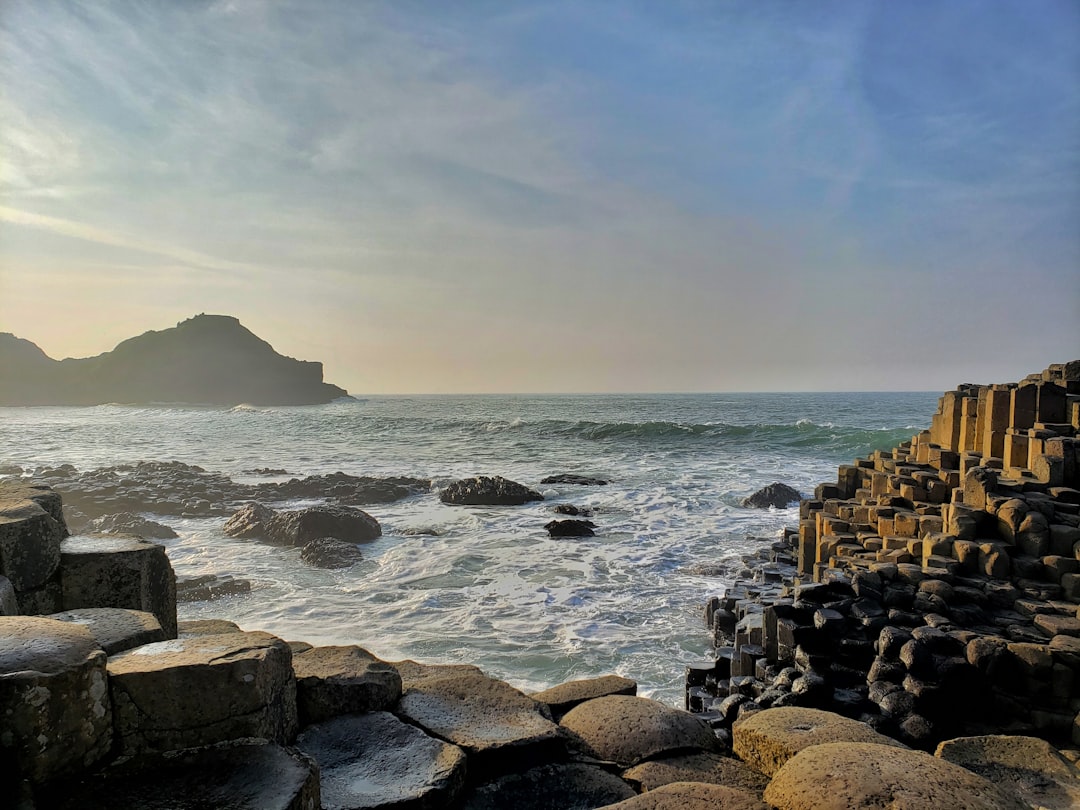
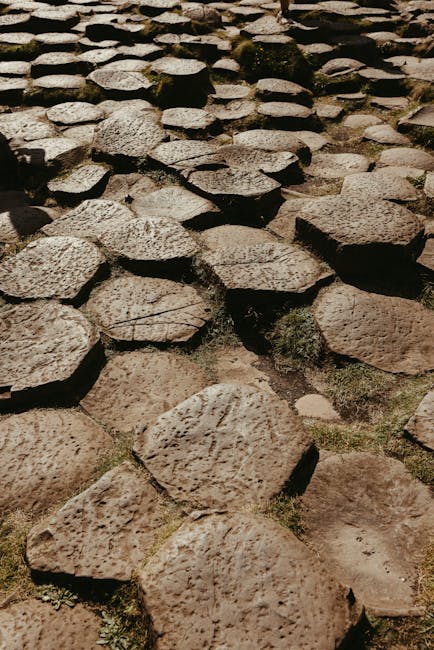
The Giant’s Causeway, located along Northern Ireland’s rugged northeast coast, is one of the most extraordinary geological wonders in the world. This UNESCO World Heritage Site features an expansive landscape of interlocking basalt columns that stretch dramatically into the Atlantic Ocean. Formed over 60 million years ago during a volcanic eruption, these natural formations have fascinated visitors and scientists alike for centuries. The site’s main features include thousands of perfectly hexagonal columns, some towering up to 12 meters high, creating an otherworldly landscape that seems almost surreal. The legend surrounding the causeway tells of the giant Finn MacCumhaill, who supposedly built the stepping stones to challenge a Scottish giant. Whether you believe the myth or not, the site’s striking formations evoke a sense of awe and curiosity.
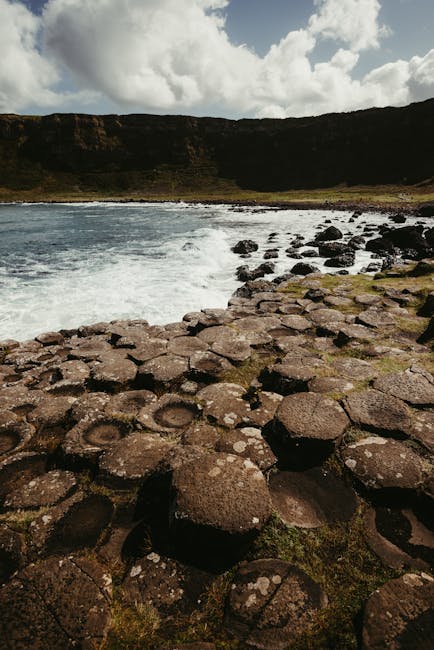
Situated along County Antrim’s coast, the Giant’s Causeway is easily accessible from nearby towns such as Bushmills and Portrush. Visitors can explore the well-maintained walking trails that wind through the basalt columns, offering stunning views of the ocean and the surrounding cliffs. The Visitor Centre provides an immersive experience, with interactive exhibits detailing the geological history and local legends. For those interested in exploring further, guided tours are available, offering insights into the site’s formation and cultural significance. The area is also a haven for wildlife enthusiasts, with seabirds and marine life thriving in the nearby waters. Visiting the Giant’s Causeway is not only a journey into natural history but also an opportunity to connect with Irish folklore and marvel at the Earth’s incredible natural artistry. Whether you’re a geology enthusiast, a history lover, or simply seeking breathtaking scenery, the causeway promises an unforgettable experience that highlights the power of nature’s creative forces.
Carrickfergus Castle
Nestled on the northern shores of Belfast Lough, Carrickfergus Castle stands as one of Ireland’s best-preserved medieval fortresses. Built in the late 12th century by the Norman knight John de Courcy, the castle has witnessed centuries of history, from invasions to sieges. Its strategic location made it a vital defensive site controlling access to Belfast and the surrounding region. The castle’s imposing stone walls, towers, and battlements offer a glimpse into medieval military architecture. Inside, visitors can explore the well-preserved keep, battlements, and the surrounding moat, which still encircles the structure. The castle’s history is vividly brought to life through informative displays and guided tours, revealing stories of conquest, rebellion, and resilience. Its commanding position provides panoramic views of Belfast Lough, making it a perfect spot for photography and reflection on Ireland’s turbulent past.
Located just a few miles from Belfast, Carrickfergus Castle is easily accessible by car or public transport. Visitors are encouraged to wander through the castle’s various rooms and towers, imagining life during medieval times. The site also hosts special events, reenactments, and educational programs that deepen understanding of Ireland’s history. For practical planning, ample parking is available nearby, and the site is open year-round, with guided tours offered during peak seasons. Exploring Carrickfergus Castle offers a captivating journey into Ireland’s medieval heritage, allowing visitors to step back in time and experience the resilience of a fortress that has stood for over 800 years. Whether interested in history, architecture, or simply seeking stunning views, the castle provides a compelling window into Ireland’s storied past.
Dunluce Castle
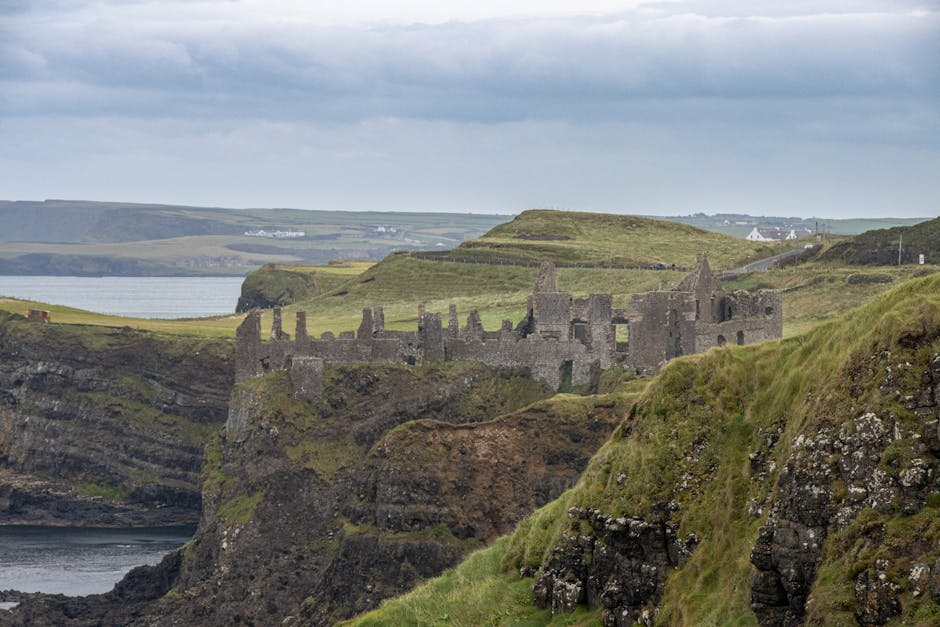
Perched dramatically atop a rocky headland on Northern Ireland’s north coast, Dunluce Castle is one of the most evocative and picturesque ruins in Ireland. This medieval fortress, dating back to the 13th century, was once a powerful stronghold of the MacDonnell clan. Its location on the edge of a cliff, overlooking the Atlantic Ocean, creates a striking silhouette against the sky, with waves crashing beneath the craggy rocks. The castle’s main features include its crumbling walls, towers, and the remains of the medieval courtyard, which evoke a sense of mystery and adventure. Legend has it that the castle’s kitchens once collapsed into the sea during a storm, adding to its romantic, haunting aura. Visitors can walk through the ruins and imagine life in a turbulent era of clan rivalries and maritime trade. The site offers breathtaking views of the coastline and the nearby Giant’s Causeway, making it a must-visit for those exploring Northern Ireland’s rugged landscape.
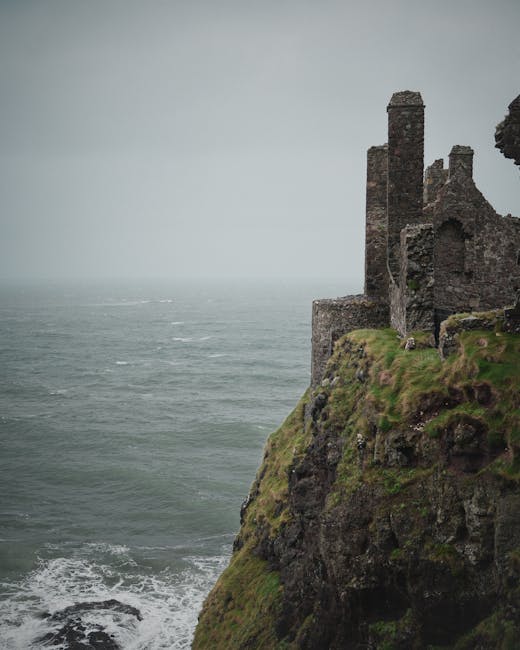
Located near the town of Bushmills, Dunluce Castle is accessible by car, with parking available nearby. The site is open to visitors year-round, with guided tours providing in-depth stories of its history and legends. As you wander through the ruins, you’ll notice the strategic design that made it a formidable fortress, despite its weathered appearance today. The castle’s dramatic setting makes it a favorite for photographers and history enthusiasts alike. For practical considerations, visitors should wear sturdy footwear, as paths can be uneven and rocky. Nearby attractions include the Giant’s Causeway and the Old Bushmills Distillery, making it an excellent addition to a day of exploring Northern Ireland’s natural and cultural heritage. Visiting Dunluce Castle is more than just sightseeing; it’s stepping into a storybook of medieval Ireland, where myth and history intertwine amid breathtaking scenery. The castle’s evocative ruins continue to inspire legends and captivate those seeking to explore Ireland’s rich past and rugged beauty.
Belfast Castle
Nestled on the slopes of Cave Hill Country Park, Belfast Castle offers visitors a captivating blend of history, architecture, and panoramic views of Belfast and beyond. Originally constructed in 1870 for the 3rd Marquess of Donegall, the castle has undergone several renovations, culminating in its current elegant form that seamlessly combines Victorian grandeur with modern comforts. Its idyllic location provides a peaceful escape from the city’s hustle, making it a must-visit for those eager to explore Belfast’s rich heritage.
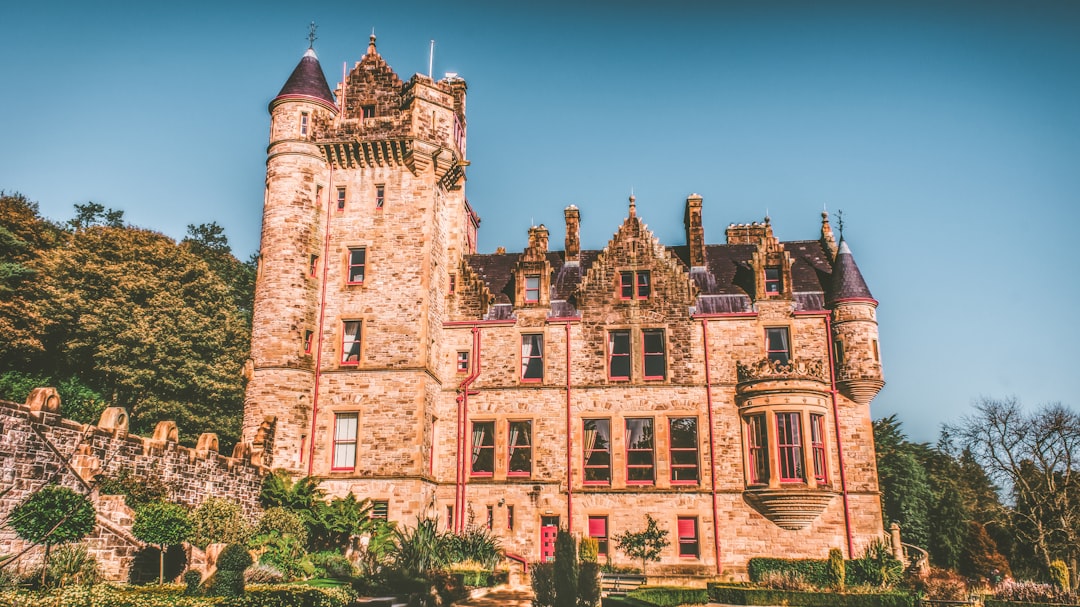
Today, Belfast Castle is open to the public as a historic site, event venue, and restaurant, offering an immersive experience into Northern Ireland’s aristocratic past. The castle’s grounds are beautifully landscaped, featuring lush gardens, walking trails, and scenic viewpoints that highlight the stunning natural surroundings. Visitors can explore the ornate interiors, which showcase period furnishings, intricate woodwork, and historical exhibits that narrate the castle’s evolution through the centuries.
Main Features and Highlights
- Elegant Victorian architecture with turreted towers and decorative stonework
- Exhibitions detailing Belfast’s history, including its industrial heritage and aristocratic connections
- On-site café and restaurant offering locally sourced cuisine
- Extensive gardens and walking trails perfect for leisurely strolls and photography
- Event spaces hosting weddings, conferences, and cultural events
Why Visit Belfast Castle?
Beyond its architectural beauty, Belfast Castle offers a unique window into the city’s aristocratic and social history. The panoramic views from the castle grounds provide stunning perspectives of Belfast, the surrounding countryside, and even the distant coast. Its strategic location makes it an ideal starting point for exploring Cave Hill, which is steeped in local legends and history. Whether you are interested in history, architecture, or simply seeking a tranquil spot to enjoy nature, Belfast Castle delivers an enriching experience.
Practical Information for Visitors
- Address: Antrim Road, Belfast, BT15 5GR
- Opening Hours: Typically open daily from 10 am to 4 pm, but it’s wise to check ahead for seasonal variations
- Admission: Entry to the grounds is free; guided tours and access to interior exhibits may have a fee
- Transport: Accessible by car, with parking available; public transport options include buses from Belfast city center
- Facilities: On-site parking, café, gift shop, and accessible pathways for visitors with mobility needs
Visiting Belfast Castle offers more than just a glimpse into the past—it’s an opportunity to enjoy breathtaking scenery, explore local legends, and appreciate Belfast’s historical depth in a serene setting.
Titanic Belfast
Situated in the heart of Belfast’s Titanic Quarter, Titanic Belfast stands as a striking tribute to the city’s most famous maritime legacy. Opened in 2012, this state-of-the-art visitor attraction is built on the historic site of the Harland & Wolff shipyard, where the RMS Titanic was constructed. The building’s striking design, inspired by the hull of a ship, immediately captures visitors’ attention and sets the tone for an immersive journey into Belfast’s shipbuilding history and the ill-fated voyage of the Titanic.
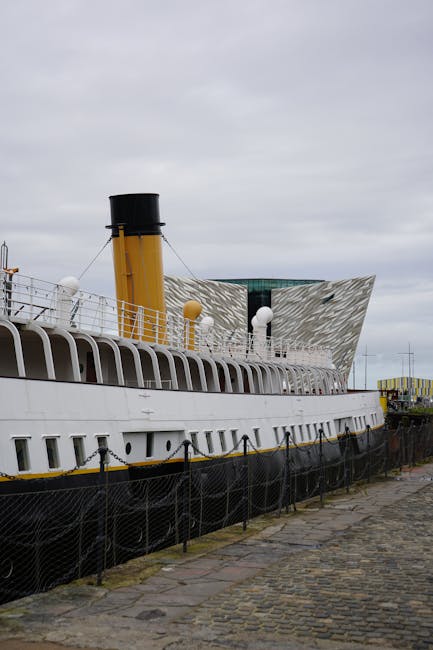
Inside, visitors are greeted with a series of interactive exhibits, multimedia displays, and artifacts that vividly recount the story of Titanic’s construction, launch, and tragic sinking. The museum’s seven floors are dedicated to different aspects of the Titanic’s history, from Belfast’s industrial boom to the personal stories of those involved in its creation and voyage. The experience is designed to be engaging for all ages, combining education with storytelling that brings history to life.
Main Features and Highlights
- Multi-sensory exhibits that explore the shipbuilding process and Belfast’s industrial heritage
- Authentic artifacts, photographs, and personal belongings of Titanic’s crew and passengers
- Interactive displays, including a virtual tour of the ship’s interior
- Reconstructed shipyard and dockyard environments that provide context for Belfast’s maritime industry
- Rooftop terrace offering spectacular views of the Titanic Quarter and Belfast skyline
Why Visit Titanic Belfast?
This attraction is more than a museum; it’s a compelling narrative of innovation, tragedy, and resilience. The storytelling approach ensures visitors gain a comprehensive understanding of Belfast’s pivotal role in the shipbuilding industry and the human stories intertwined with Titanic’s legacy. It’s a profound reminder of Belfast’s industrial prowess and the enduring impact of its maritime history. For history enthusiasts and families alike, Titanic Belfast offers an educational yet emotionally resonant experience that honors those connected to the ship’s story.
Practical Information for Visitors
- Address: Titanic Quarter, Queen’s Road, Belfast, BT3 9DT
- Opening Hours: Usually from 10 am to 5 pm daily; check for seasonal changes
- Admission: Ticket prices vary; booking in advance is recommended to avoid queues
- Transport: Easily accessible by car, with parking available; public transport options include buses and taxis from Belfast city center
- Facilities: On-site café, gift shop, accessible pathways, and guided tour options
Visiting Titanic Belfast offers a powerful glimpse into Belfast’s industrial past and the enduring legacy of one of the world’s most famous ships. It’s an essential experience that combines history, technology, and human stories into an unforgettable journey.
When Is the Best Time to Visit Northern Ireland?
Understanding the Weather and Climate
Northern Ireland experiences a temperate maritime climate, characterized by mild summers and cool, often rainy winters. The best weather for exploring history-rich sites tends to occur from late spring through early autumn, roughly May to September. During these months, temperatures typically range from 12°C to 20°C (54°F to 68°F), providing comfortable conditions for outdoor sightseeing. However, it’s important to remember that weather can be unpredictable, with rain possible at any time of year. Packing waterproof clothing is advisable regardless of the season.
Peak Tourist Seasons and Their Impact
The peak tourist season in Northern Ireland coincides with the summer months, especially July and August. During this period, popular historical attractions such as the Giant’s Causeway, Carrick-a-Rede Rope Bridge, and Belfast’s historic sites see increased visitors. While visiting during peak season offers lively atmospheres and longer opening hours, it also means higher prices and crowded sites. If you prefer a more immersive, less crowded experience, consider traveling in late spring or early autumn. These shoulder seasons often feature fewer tourists, allowing for a more intimate exploration of historical landmarks.
Advantages of Visiting During Off-Peak Periods
- Lower accommodation and travel costs
- Less crowded sites, enhancing your experience of historical sites
- More flexible scheduling with shorter lines
- Potential for better weather conditions in late spring and early autumn
Summary Table: Pros and Cons of Visiting at Different Times
| Time of Year | Pros | Cons |
|---|---|---|
| Summer (June – August) |
– Warmest weather – Longer daylight hours – Vibrant festivals and events |
– Peak crowds – Higher prices – Popular sites may be crowded |
| Late Spring & Early Autumn (May & September) |
– Fewer tourists – Better prices – Comfortable weather for outdoor exploration |
– Weather can be unpredictable – Shorter daylight hours in September |
| Winter (November – February) |
– Lowest prices – Quietest period for sightseeing |
– Cold and often rainy weather – Limited opening hours at some sites – Less vibrant outdoor scenery |
Final Tips for History Enthusiasts
If your primary goal is to explore Northern Ireland’s rich history without the crowds, aim for late spring or early autumn. These months strike a balance between pleasant weather and fewer visitors, allowing you to fully immerse yourself in the stories behind ancient castles, archaeological sites, and historic landmarks. Planning ahead and considering weather variability will ensure your journey into Northern Ireland’s fascinating past is both enjoyable and enlightening.
Getting to Northern Ireland: Your Gateway to History and Heritage
Northern Ireland offers a captivating blend of history, culture, and stunning landscapes. Whether you’re arriving from abroad or traveling within the UK, understanding your transportation options will ensure a smooth journey. From flights to scenic train rides and driving through historic towns, there are numerous ways to explore this intriguing destination. Let’s discover how to get to Northern Ireland efficiently and comfortably, so you can immerse yourself in its rich past from the moment you arrive.
Flights to Northern Ireland
The most convenient way for international travelers to reach Northern Ireland is by air. Belfast International Airport, located near Belfast city, is the primary gateway, serving numerous airlines from across Europe and beyond. Additionally, City of Derry Airport provides regional flights, especially for travelers coming from the UK or Ireland. Major airlines frequently operate direct flights from cities like London, Dublin, and Manchester, making air travel a quick and efficient option. When booking, consider early reservations during peak seasons to secure the best fares and flight times.
Traveling by Train
While Northern Ireland doesn’t have a direct train connection from mainland Europe, train travel within the UK can be a scenic and historic way to arrive. You can take a train from London to Belfast via the famous Eurostar service to London, then transfer to a train heading north to Belfast or Derry. The train routes pass through picturesque countryside and historic towns, offering a glimpse into the region’s past. It’s advisable to book tickets in advance, especially during busy travel periods, to secure the best prices and seating options.
Bus and Coach Services
Several coach companies operate routes from various UK cities directly to Northern Ireland. These services are budget-friendly and provide a chance to enjoy the landscape along the way. They typically arrive at central locations in Belfast and Derry, making it easy to start exploring immediately. For travelers coming from Ireland, bus services from Dublin or other Irish cities are frequent and reliable, connecting you seamlessly across the border.
Car Rentals and Driving Tips
Driving offers the flexibility to explore Northern Ireland’s historic sites at your own pace. Major car rental companies are available at Belfast International Airport and city centers. When renting a car, remember that driving is on the left side, and roads can be narrow and winding, especially in rural areas. Be prepared for historic routes with limited signage in some regions. Always carry your driving license and insurance documents, and plan your routes ahead of time to include key historical landmarks and scenic routes.
Search for Car Hire
Travel Tips and Important Information
- Check visa requirements if you’re arriving from outside the UK or Ireland.
- Be aware of weather conditions; Northern Ireland’s climate can be unpredictable, so pack accordingly.
- Consider purchasing travel insurance that covers delays or cancellations, especially during winter months.
- For a historical exploration, plan your routes to include iconic sites such as the Titanic Quarter, Derry’s Walls, and ancient castles.
- Public transportation within Northern Ireland is reliable, but renting a car provides more freedom to explore historic villages and scenic routes.
By choosing the right transportation options, you’ll be well on your way to uncovering Northern Ireland’s fascinating history and cultural treasures. Whether arriving by plane, train, bus, or car, each journey offers a unique perspective into this captivating destination.
Best Places to Stay in Northern Ireland
Northern Ireland offers a diverse range of accommodations, each providing a unique gateway to explore its rich history. Whether you’re seeking luxury, mid-range comfort, or budget-friendly options, this guide will help you find the perfect place to stay while immersing yourself in the region’s historic charm.
Luxury Options
For travelers who desire an indulgent experience steeped in history and elegance, the Slieve Donard Resort and Spa in Newcastle stands out. Nestled at the foot of the Mourne Mountains, this grand hotel combines Victorian architecture with modern amenities. Its historic roots date back to the 19th century, offering guests a chance to enjoy luxurious spa treatments and panoramic views of the coastline. Staying here not only provides comfort but also a sense of stepping back into Northern Ireland’s regal past.
Another excellent choice is Ballygally Castle Hotel, located along the Antrim Coast. This 17th-century castle-turned-hotel boasts authentic period features, including antique furniture and historic stone walls. Its location near the Giant’s Causeway makes it an ideal base for exploring Northern Ireland’s ancient sites while enjoying opulent surroundings.
Mid-Range Options
If you prefer a comfortable stay that balances history and affordability, consider The Old Inn, Crawfordsburn. This historic coaching inn dates back to the 17th century and has retained much of its original charm. It offers cozy rooms filled with character, as well as a renowned restaurant serving locally inspired cuisine. Its proximity to the nearby National Trust site of Crawfordsburn Country Park makes it perfect for those interested in exploring historic landscapes and natural beauty.
Another notable mid-range option is Dunadry Hotel & Gardens near Belfast. This former 18th-century estate features beautifully landscaped gardens and a rich history connected to Irish linen manufacturing. Its welcoming atmosphere and convenient location make it an excellent choice for travelers eager to explore Belfast’s historic sites while enjoying modern comforts.
Budget-Friendly Accommodations
For travelers on a budget, The Old Rectory Country House in County Antrim offers affordable rates without sacrificing charm. This historic manor house, built in the 19th century, provides cozy rooms and a warm atmosphere. It’s an ideal starting point for exploring the nearby ruins of Dunluce Castle and the historic coastal villages.
Additionally, Cliftonville Guest House in Belfast offers budget-friendly rooms with a touch of local history. Its central location allows easy access to the city’s historic landmarks, including the Ulster Museum and Belfast Castle, making it a practical choice for history enthusiasts seeking economical options.
In conclusion, Northern Ireland’s accommodations cater to every budget while providing rich historical experiences. Whether you indulge in luxury, enjoy mid-range comfort, or seek budget-friendly charm, each stay offers a unique perspective on the region’s storied past.
Essential Travel Products for Visiting Northern Ireland
1. Waterproof Travel Backpack
For explorers eager to uncover Northern Ireland’s rich history and stunning landscapes, a reliable waterproof backpack is indispensable. The Osprey Ultralight Dry Sack offers lightweight yet durable protection for your essentials. Crafted from high-quality waterproof nylon, it keeps your belongings dry even during sudden rain showers—common in the region’s unpredictable weather. Its compact design allows it to fit comfortably on hikes or day trips, making it perfect for those venturing into historic sites like Carrickfergus Castle or exploring the Causeway Coastal Route.
This backpack features a roll-top closure that ensures a tight seal, preventing water ingress. Multiple sizes are available, catering to different travel needs, whether you’re carrying a camera, maps, or personal items. Its sturdy handle and adjustable straps enhance comfort during long excursions. Furthermore, the backpack’s sleek design minimizes bulk, allowing you to move freely through narrow castle corridors or along rugged coastal paths.
You can purchase the Osprey Ultralight Dry Sack online at outdoor retailers such as REI or Amazon, often with user reviews highlighting its reliability in wet conditions. Investing in a waterproof backpack ensures your explorations remain uninterrupted, regardless of weather, making it a must-have for history-focused adventures in Northern Ireland.
2. Portable Power Bank with Solar Charging
Exploring Northern Ireland’s historic sites often involves long days of sightseeing where access to power outlets is limited. The Anker PowerPort Solar Lite offers a practical solution. This portable solar charger not only provides emergency power for your devices but also harnesses sunlight to keep your gadgets charged during outdoor adventures.
Its compact and lightweight design makes it easy to carry in your bag or backpack. The charger features high-efficiency solar panels that convert sunlight into usable energy quickly, ensuring your smartphone, camera, or GPS device remains operational. Additionally, it has dual USB ports, allowing you to charge multiple devices simultaneously, which is particularly useful when visiting multiple historic sites across different regions.
Designed for outdoor use, the PowerPort Solar Lite is durable and weather-resistant, withstanding light rain or dust. This product is available on Amazon and other outdoor gear retailers, making it accessible for travelers who want to document their journey through Northern Ireland’s historic landmarks without the worry of losing power.
Shop Amazon for these travel must-haves
Guidebooks for Exploring Historic Destinations in Northern Ireland
1. “Northern Ireland: A Travel Guide” by Lonely Planet
This comprehensive guidebook offers detailed insights into Northern Ireland’s most captivating historic sites, from ancient castles to iconic landmarks. Available on Kindle Unlimited and Audible, it provides practical tips on navigating locations like Dunluce Castle, Belfast’s Titanic Quarter, and the UNESCO World Heritage Site of the Giant’s Causeway. The book’s engaging narratives help travelers understand the historical significance of each site, enriching their visit with context and stories that bring the past to life. Its maps and itineraries make planning seamless, ensuring you don’t miss key attractions on your journey to explore history.
2. “The Rough Guide to Northern Ireland” by Rough Guides
This guide combines detailed historical background with practical travel advice. Accessible via Kindle Unlimited and Audible, it helps visitors uncover hidden historical gems beyond the typical tourist spots. Whether you’re interested in the ancient Neolithic sites or the more recent political history of Belfast, this book offers in-depth descriptions, recommended routes, and local insights. Its focus on cultural heritage makes it ideal for travelers eager to delve into Northern Ireland’s complex and fascinating past.
3. “Historic Ireland: A Traveler’s Guide” by James F. Power
While broader in scope, this book dedicates significant attention to Northern Ireland’s historic sites, including detailed stories behind each location. Available on Kindle Unlimited and Audible, it guides visitors through castles, monasteries, and battlefields that shaped Ireland’s history. Its narrative style makes history accessible and engaging, perfect for those who want to explore Northern Ireland’s past deeply. The book also offers practical advice on visiting these sites, including opening hours, best times to visit, and local customs, ensuring a well-rounded historical exploration.
These guidebooks serve as invaluable companions for travelers who seek to explore Northern Ireland through its rich and layered history. Whether you prefer detailed narratives, practical itineraries, or cultural insights, each book enhances your understanding and appreciation of this captivating destination.
Explore like a local with Audible! Download travel audiobooks and phrasebooks for free during your trial.
Frequently Asked Questions About Visiting Northern Ireland’s Historic Destinations
What are the must-visit historic sites in Northern Ireland?
Northern Ireland boasts a rich tapestry of history, making it a captivating destination for history enthusiasts. Notable sites include the ancient Carrickfergus Castle, which dates back to the 12th century and offers a glimpse into medieval life. Giant’s Causeway, a UNESCO World Heritage Site, blends geological wonder with mythic history, believed to be the work of giants. Dark Hedges, an atmospheric avenue of beech trees, is steeped in history and popular culture, famously featured in Game of Thrones. Additionally, the Ulster Museum in Belfast provides a comprehensive overview of regional history, archaeology, and cultural heritage. Exploring these sites offers a unique perspective on Northern Ireland’s layered past, from ancient times to modern history.
When is the best time to visit historic sites in Northern Ireland?
The ideal time to explore Northern Ireland’s historic destinations is during late spring (May to June) and early autumn (September to October). During these months, the weather tends to be mild, and the crowds are smaller, allowing for a more intimate experience. Summer (July and August) offers longer daylight hours, which is perfect for sightseeing, but it is also peak tourist season, so sites may be busier. Winter visits are possible but require careful planning, as some outdoor sites might have limited access due to weather conditions. Regardless of the time of year, early mornings or late afternoons often provide the best lighting and fewer visitors for photographs and exploration.
Are guided tours available for historical sites, and are they worth it?
Yes, guided tours are widely available across Northern Ireland’s historic locations. These tours often provide in-depth insights, local legends, and contextual stories that enhance the visitor experience. For example, guided walks around Carrickfergus Castle or Giant’s Causeway often include fascinating details about their origins and significance. If you’re short on time or want a deeper understanding, booking a guided tour is highly recommended. Many tours are available in multiple languages and can be customized to focus on specific themes, such as medieval history or geological marvels. Additionally, some sites offer audio guides or interactive exhibits, enriching your journey through history.
How accessible are the historic sites for travelers with mobility challenges?
Most major sites in Northern Ireland have made significant efforts to improve accessibility. Carrickfergus Castle, for instance, offers ramps and accessible pathways for visitors with mobility challenges. The Giant’s Causeway has a dedicated Cliff Path accessible via a shuttle service, allowing visitors with limited mobility to experience its breathtaking views. The Dark Hedges, being an outdoor avenue, can be uneven, but there are options for assistance or alternative viewing points. When planning your visit, it’s advisable to check each site’s official website for specific accessibility information, as some historic structures may have limitations due to their age and preservation requirements. Pre-arranging assistance or guided support can make your experience smoother and more enjoyable.
What practical tips can enhance my exploration of Northern Ireland’s history?
To make the most of your historic journey, consider the following tips:
– Plan ahead: Check opening hours and any special events or closures.
– Dress appropriately: Northern Ireland’s weather can be unpredictable; layered clothing and sturdy shoes are recommended.
– Use local guides: Engaging with knowledgeable guides can uncover hidden stories and local legends.
– Take your time: Allow at least a few hours at each site to truly absorb the history and atmosphere.
– Respect preservation efforts: Follow guidelines to help conserve these historic treasures for future generations.
– Capture memories: Bring a camera or smartphone, but remember to be respectful of other visitors and site rules.
By following these practical tips, your exploration of Northern Ireland’s historic destinations will be more enriching and memorable.
Explore History
Earn rewards when you book travel, shop online & more!
Embark on Your Journey Through Northern Ireland’s Rich Heritage
Northern Ireland offers a captivating tapestry of history waiting to be explored. From the ancient mysteries of the Giant’s Causeway to the medieval charm of Carrickfergus Castle, each destination invites you to step back in time and uncover stories that shaped this remarkable land. The region’s historic sites are not only visually stunning but also provide a profound connection to the past, making every visit an educational adventure.
Highlights include the UNESCO World Heritage Site of the Giant’s Causeway, renowned for its unique basalt columns, and the evocative ruins of Dunluce Castle, perched dramatically on the coast. Belfast’s Titanic Quarter reveals the city’s industrial legacy, while the ancient walls of Derry/Londonderry tell tales of resilience and cultural pride. Whether you’re a history enthusiast or a curious traveler, Northern Ireland’s sites offer diverse insights into its layered past.
To deepen your understanding and appreciation of Northern Ireland’s history, consider guided tours that bring stories to life, or explore local museums for detailed exhibits. Engage with local communities, sample traditional cuisine, and enjoy the welcoming atmosphere. Each step you take will enrich your journey and help you connect more deeply with this extraordinary land.
Take Action and Start Your Historic Adventure
Now is the perfect time to plan your trip. Explore the numerous historic sites, learn their stories, and create unforgettable memories. Whether you prefer walking through ancient ruins or discovering hidden corners of the past, Northern Ireland promises a rich and immersive experience. Pack your curiosity and set out to uncover the timeless charm of this remarkable destination.