Discover the Untamed Beauty of England’s Natural Wonders
Exploring Nature, Wildlife, and Natural Beauty in England
England is a captivating destination for travelers seeking to immerse themselves in pristine landscapes, vibrant wildlife, and breathtaking scenery. From rolling hills and lush forests to rugged coastlines and tranquil lakes, this country offers an extraordinary variety of ecosystems waiting to be explored. Its rich tapestry of natural beauty is complemented by a diverse array of flora and fauna, making it an ideal destination for nature enthusiasts and adventure seekers alike.
What sets England apart is its seamless blend of unspoiled wilderness and accessible outdoor spaces. Whether wandering through ancient woodlands, spotting rare bird species, or marveling at dramatic coastal cliffs, visitors are invited to reconnect with nature in its purest form. The country’s protected parks and nature reserves ensure that these scenic treasures remain preserved for future generations, offering endless opportunities for discovery.
In this comprehensive travel guide, you will find insights into the most scenic natural locations, tips for wildlife spotting, and suggestions for sustainable exploration. Prepare to uncover England’s natural splendors and experience the true essence of its wilderness.
Heading off-grid? Download movies before you go – try Prime Video free!
Lake District National Park
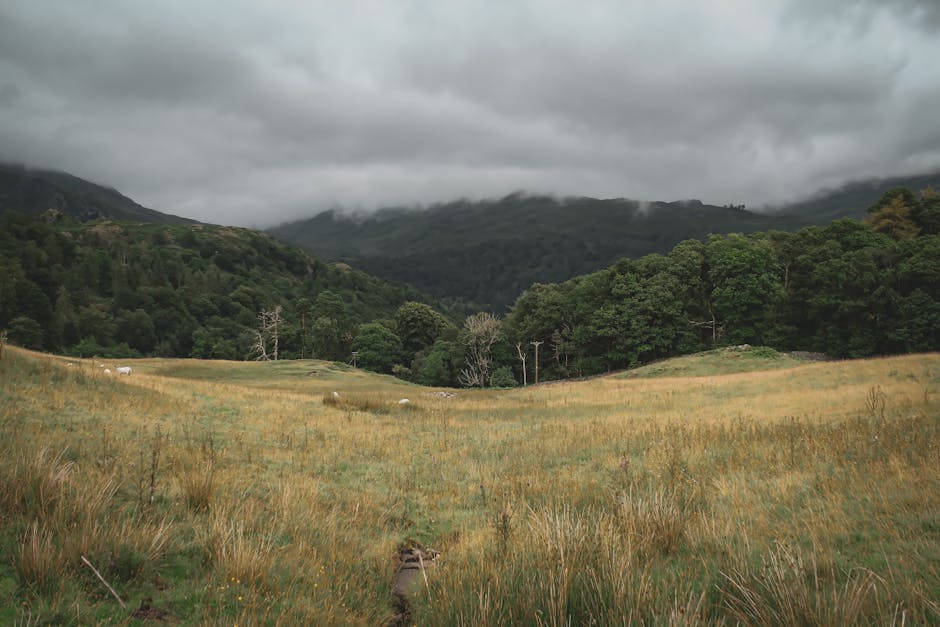
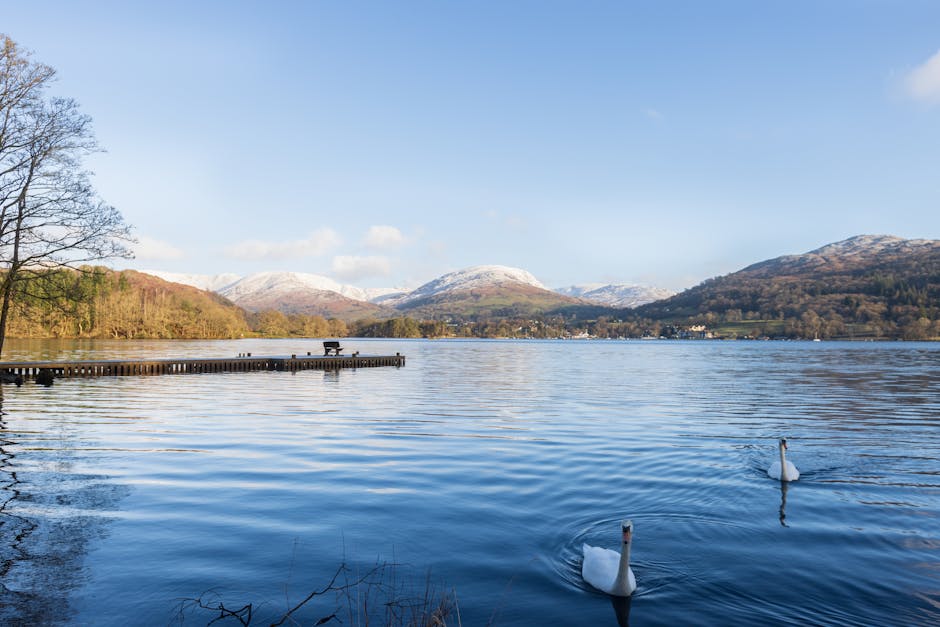
The Lake District National Park, located in the northwest of England, is renowned for its stunning landscapes, tranquil lakes, and rugged mountains. Covering approximately 2,362 square kilometers, it is a designated UNESCO World Heritage Site, celebrated for its natural beauty and cultural significance. Visitors flock here to immerse themselves in the serenity of nature, explore picturesque villages, and enjoy outdoor activities such as hiking, boating, and cycling. The region has inspired countless poets, writers, and artists, including William Wordsworth and Beatrix Potter, whose works are deeply connected to the area’s enchanting scenery.
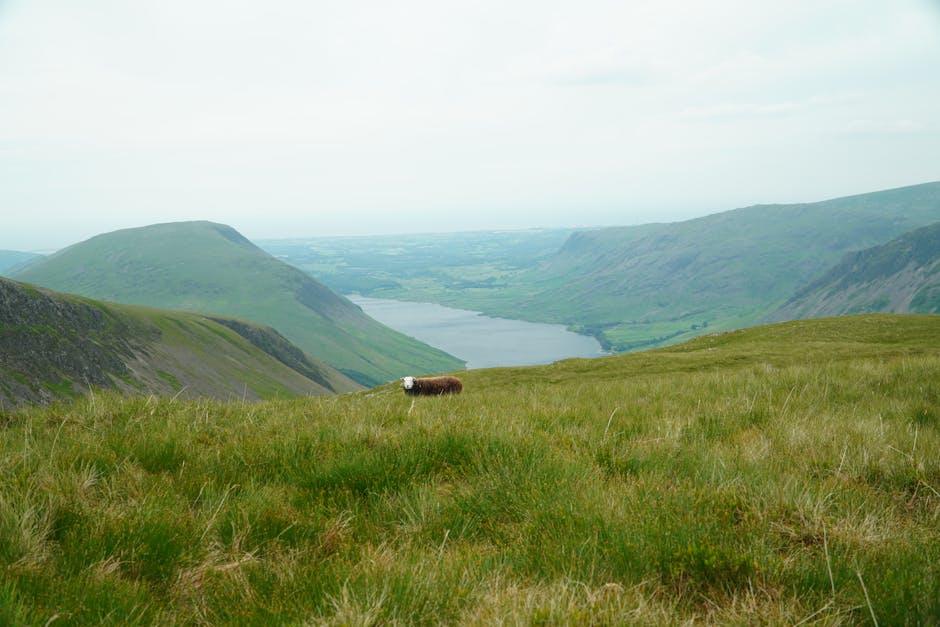
The landscape is characterized by a series of glacial lakes, also known as ‘meres,’ and towering fells that provide breathtaking panoramic views. Some of the most famous lakes include Windermere, Ullswater, and Derwentwater, each offering opportunities for boat trips, fishing, and watersports. The park’s walking trails range from gentle strolls through charming villages like Keswick and Grasmere to challenging mountain hikes up Scafell Pike, England’s highest peak at 978 meters. These routes reveal the region’s diverse flora and fauna, from ancient woodlands to rare bird species.
Practical information for visitors includes well-marked walking paths, a variety of accommodation options from cozy inns to luxury hotels, and local cafes serving traditional Cumbrian cuisine. The best time to visit is during late spring and summer when the landscape bursts into bloom, but the park’s beauty is equally compelling in autumn with vibrant foliage. Whether you seek adventure or tranquility, the Lake District offers an immersive experience in nature’s grandeur, making it a must-visit destination for outdoor enthusiasts and nature lovers alike.
Stonehenge
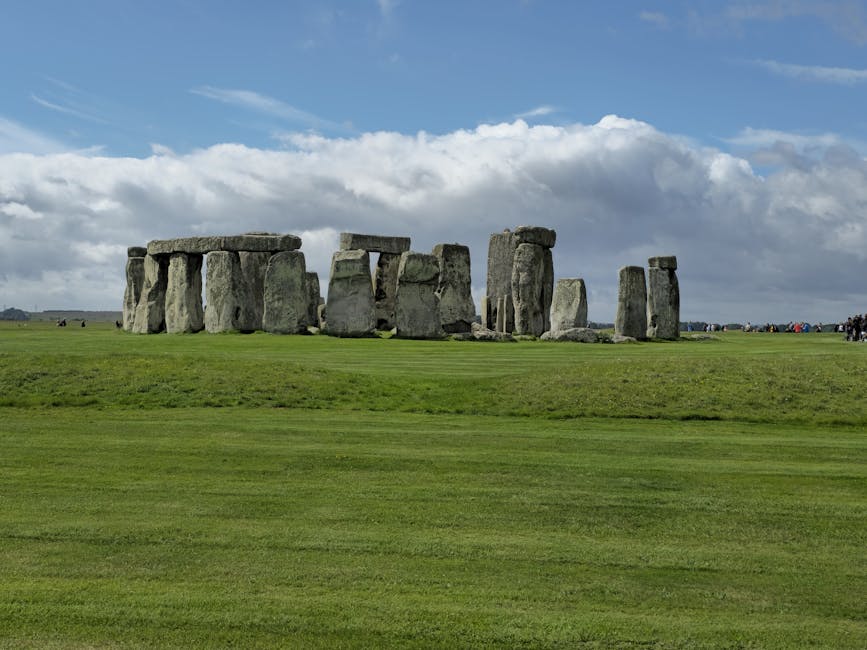
Perched on the Salisbury Plain in Wiltshire, Stonehenge is one of the most iconic prehistoric monuments in the world. This mysterious stone circle dates back over 4,500 years and continues to fascinate visitors with its grandeur and enigma. The site comprises massive sarsen stones and smaller bluestones arranged in a circular formation, believed to have been used for ceremonial or astronomical purposes. The precise purpose of Stonehenge remains a topic of debate, but it is widely regarded as a significant cultural and spiritual symbol of ancient Britain.
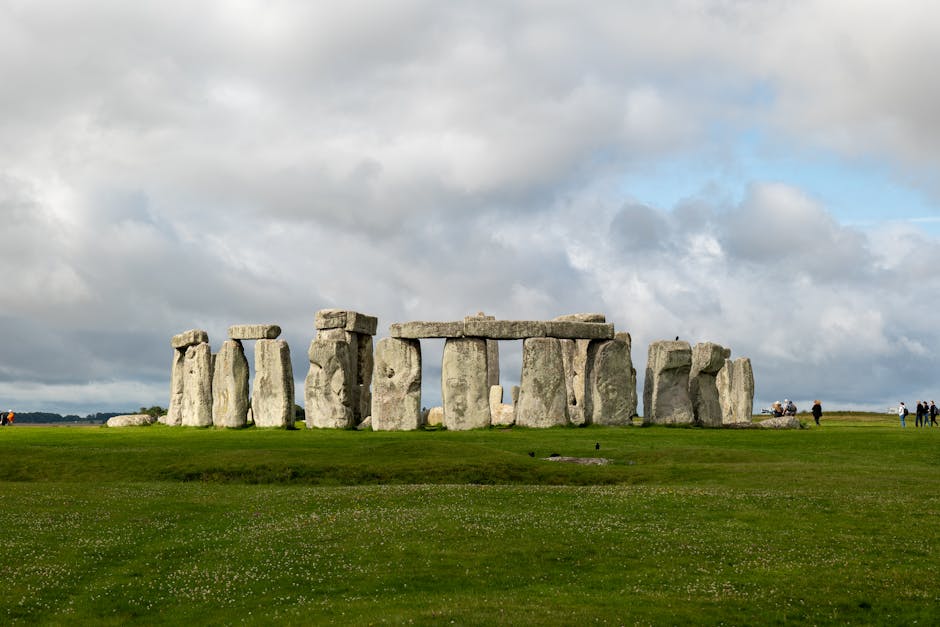
Located approximately 2 miles west of Amesbury and about 8 miles north of Salisbury, the monument is accessible via well-maintained paths and visitor facilities. Visitors can explore the visitor center, which houses exhibitions about the site’s history, archaeology, and the theories surrounding its construction. The standing stones themselves are awe-inspiring, especially when viewed at sunrise or sunset, offering a profound connection to ancient civilizations. Guided audio tours and informational panels enhance the experience, providing insights into the theories about its purpose, alignments with celestial events, and the people who built it.
Stonehenge is a UNESCO World Heritage Site, attracting millions of visitors annually. Planning ahead is recommended, especially during peak seasons, to avoid crowds. The site is open year-round, with varying hours, and tickets can be purchased online for convenience. Visiting Stonehenge offers more than just a glimpse into prehistoric engineering; it provides a unique opportunity to ponder the mysteries of our ancestors and their relationship with the cosmos. Whether you are drawn by history, archaeology, or the sheer spectacle of the stones, Stonehenge remains an enduring symbol of human ingenuity and spiritual curiosity.
The White Cliffs of Dover
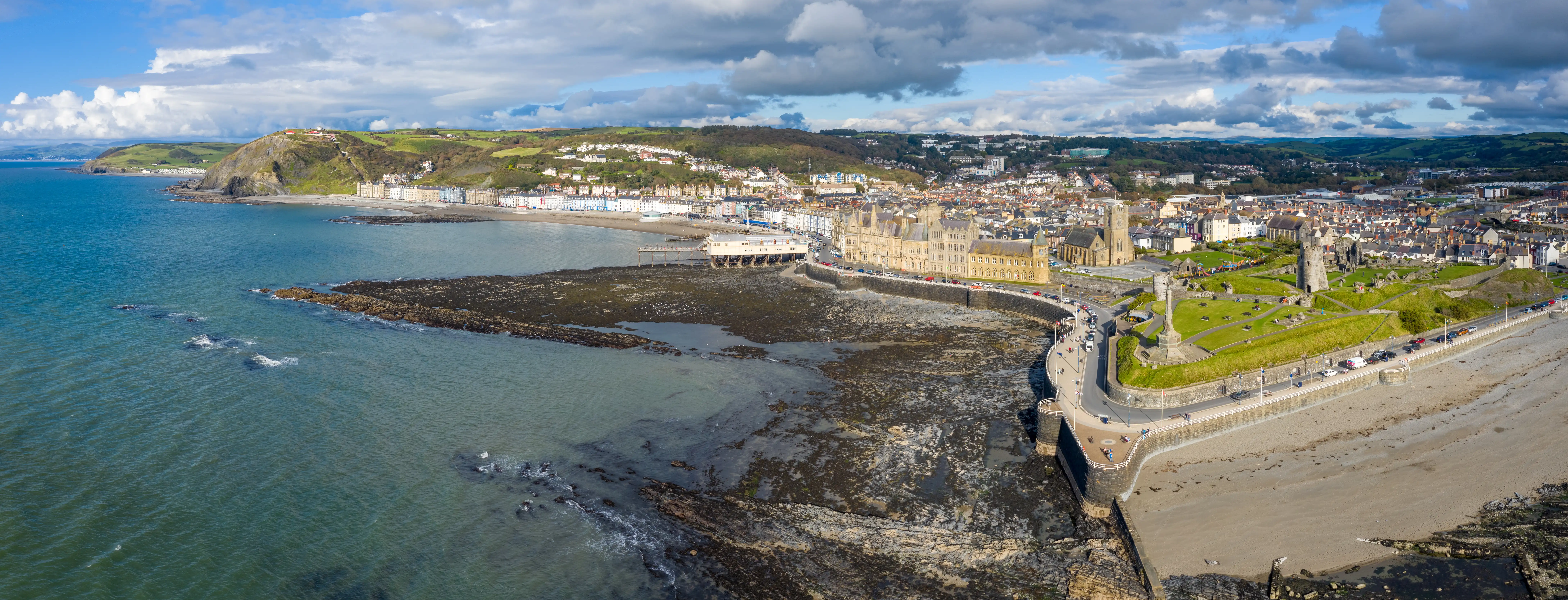
Stretching along the southeastern coast of England, the White Cliffs of Dover are a symbol of Britain’s resilience and natural beauty. These iconic cliffs rise dramatically up to 350 feet above the English Channel, offering spectacular views across the water to continental Europe. Composed of chalk, the cliffs have been naturally eroded over millennia, creating a striking white facade that has inspired poets, artists, and travelers alike. They are also a vital part of Britain’s coastal defense, historically serving as a first line of protection against invasions.
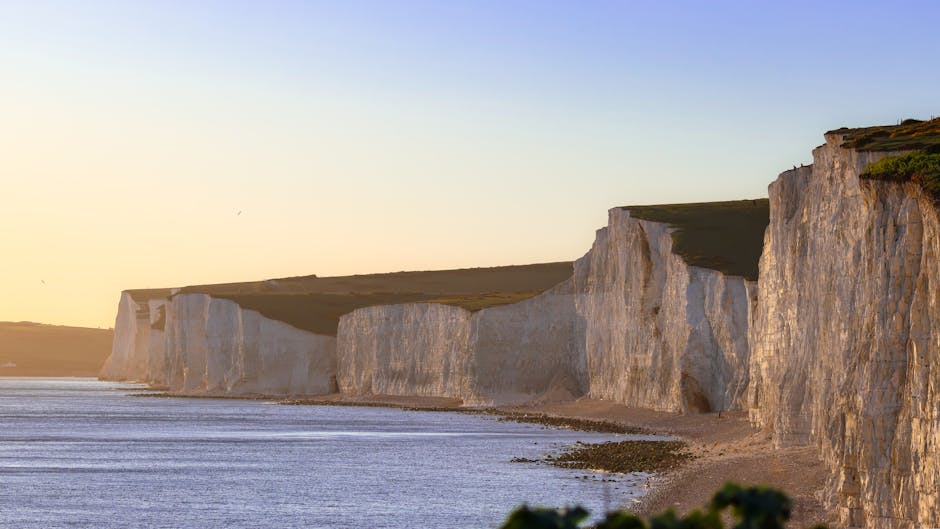
The cliffs are part of a larger National Trust area, which includes walking trails, visitor centers, and historic sites such as Dover Castle. The walking routes along the cliffs provide an immersive experience in nature, where visitors can enjoy panoramic vistas, spot seabirds, and learn about the region’s geology and history. The South Foreland Lighthouse, perched atop the cliffs, offers guided tours and panoramic views of the coast, enhancing the visitor experience. During clear days, the visibility extends across the Channel to France, making it a perfect spot for photography and appreciating the vastness of the sea.
Practical tips for visitors include wearing sturdy footwear for cliff-top walks, bringing binoculars for birdwatching, and checking tide times if planning to explore the beaches below. The area is accessible year-round, with facilities available at nearby towns such as Dover and Folkestone. Visiting the White Cliffs of Dover is a deeply evocative experience, combining natural grandeur with historical significance. It’s an ideal destination for those seeking to explore Britain’s coastal landscapes and reflect on its maritime heritage. Whether walking along the cliffs or exploring the historic sites, visitors leave with a renewed appreciation for Britain’s stunning coastline and its enduring symbolism of hope and resilience.
Peak District National Park
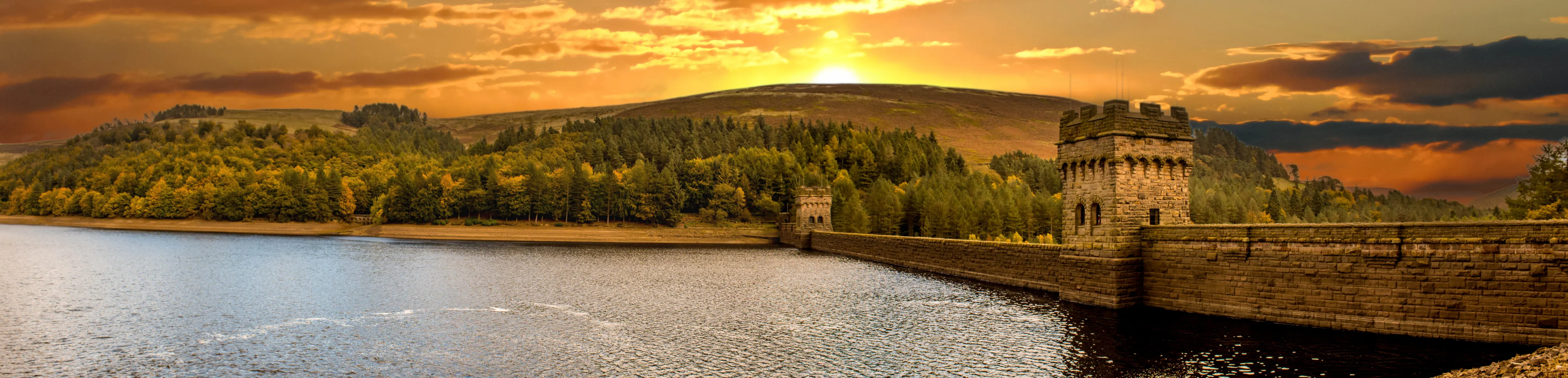
The Peak District National Park, located in the heart of England, is a stunning expanse of natural beauty that offers an exceptional opportunity to explore the outdoors. Spanning across Derbyshire, Staffordshire, Cheshire, Greater Manchester, and Yorkshire, this national park is renowned for its rolling hills, dramatic valleys, and charming villages. It was the first national park established in the United Kingdom, making it a historic and vital destination for nature lovers and outdoor enthusiasts alike.

The landscape is characterized by iconic features such as the rugged gritstone edges of the Dark Peak, including the famous Stanage Edge, which attracts climbers from around the world. Meanwhile, the softer limestone valleys of the White Peak are dotted with picturesque villages, lush meadows, and winding rivers. Visitors can enjoy a variety of activities, from hiking and mountain biking to caving and horseback riding. The park’s extensive network of trails caters to all levels, ensuring that everyone can experience the tranquility of nature firsthand.
One of the park’s main attractions is its diverse wildlife. Birdwatchers can spot peregrine falcons, skylarks, and owls, while the area’s forests and moorlands are home to red deer, foxes, and countless species of insects. For those interested in geology and history, the park offers fascinating insights into its ancient past through its stone circles, old lead mines, and remnants of historic settlements.
Practical information for visitors includes well-maintained walking routes, visitor centers with maps and guides, and accommodations ranging from cozy cottages to camping sites. The park also features charming towns such as Bakewell and Buxton, perfect for exploring local culture, enjoying traditional food, and relaxing after outdoor adventures. Whether seeking solitude amidst nature or an active outdoor experience, the Peak District provides a captivating escape into England’s scenic wilderness.
New Forest National Park
The New Forest National Park, situated in southern England, is a captivating landscape of ancient woodland, open moorlands, and coastal heathland. Covering approximately 220 square miles, this protected area is famous for its rich biodiversity, charming villages, and a history that dates back over a thousand years. It was originally created as a royal hunting ground by William the Conqueror, and today, it remains a haven for wildlife and outdoor explorers alike.
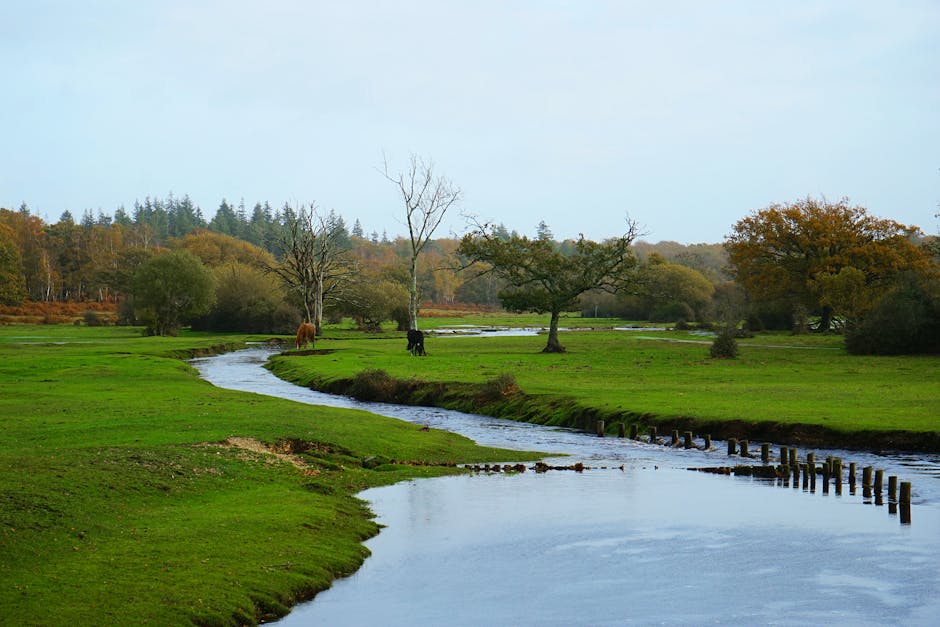
The park’s diverse habitats support a wide array of species, including wild ponies, red deer, and rare birds such as woodlarks and Dartford warblers. The ancient woodland, with its towering oaks and beeches, creates a mystical atmosphere perfect for peaceful walks and wildlife observation. The open heathlands are ideal for spotting skylarks and butterflies, while the coastline offers opportunities for birdwatching and exploring sandy beaches.
Exploring the New Forest allows visitors to immerse themselves in nature through a variety of activities. Walking and cycling are popular ways to traverse the scenic trails, many of which are suitable for families and less experienced hikers. For those interested in history, the park features historic sites like Exbury Gardens, Beaulieu Palace, and the remains of old Roman roads. Horse riding is also a favorite pastime, with numerous stables offering guided rides across the open landscapes.
Practical tips for visitors include the availability of well-marked trails, visitor centers with detailed maps, and a range of accommodations from traditional inns to camping sites. The local villages, such as Lyndhurst and Brockenhurst, offer charming shops, cafes, and pubs that serve locally sourced food. Visiting the New Forest provides a unique opportunity to connect with nature, observe wildlife in its natural habitat, and experience the tranquil beauty of one of England’s most cherished landscapes.
When Is the Best Time to Visit England for Nature Exploration?
Understanding the Seasonal Climate
England’s climate varies throughout the year, influencing the best times for outdoor adventures. Spring (March to May) is particularly appealing for nature lovers, as the countryside bursts into bloom and wildlife becomes more active. Summer (June to August) offers longer daylight hours and warmer weather, ideal for exploring national parks and coastal paths. Conversely, autumn (September to November) showcases vibrant foliage, creating a stunning backdrop for outdoor activities. Winter (December to February) tends to be colder and wetter, which might limit outdoor pursuits but offers a different kind of tranquil beauty.
Peak Tourist Seasons and Their Impact
The busiest months for visitors are during summer and the late spring bank holidays. During these periods, popular outdoor destinations such as the Lake District, Cornwall, and the Cotswolds experience large crowds. While this means vibrant atmospheres and well-maintained facilities, it also results in higher prices and limited availability of accommodation. If you prefer a quieter, more intimate experience with nature, consider visiting during shoulder seasons like early spring or late autumn.
Benefits of Visiting During Off-Peak Times
- Less crowded trails and scenic spots, allowing for more peaceful exploration
- Lower prices on accommodation and tours
- Better opportunities for wildlife sightings, as animals are more active in cooler weather
- More flexible travel plans due to fewer crowds and reservations
Summary: Pros and Cons of Visiting England by Season
| Season | Pros | Cons |
|---|---|---|
| Spring | Blooming landscapes, wildlife activity, mild weather | Unpredictable rain, still some chilly days |
| Summer | Warm weather, long days, perfect for outdoor activities | Crowds, higher prices, some areas crowded |
| Autumn | Stunning foliage, cooler temperatures, fewer tourists | Shorter days, unpredictable weather |
| Winter | Peaceful scenery, fewer tourists, cozy atmospheres | Cold, rain, limited daylight, some outdoor activities restricted |
Understanding the seasonal variations and tourist patterns can help you plan a trip that aligns with your preferences, whether you seek vibrant landscapes or quiet retreats in nature.
Getting to England: Your Gateway to Nature and Adventure
England offers a diverse landscape that beckons travelers eager to explore its lush countryside, scenic coastlines, and historic parks. Whether you’re arriving from afar or nearby, understanding your transportation options will ensure a smooth journey so you can focus on discovering the natural beauty that awaits. From major airports to scenic train routes, the ways to reach England are as varied as its landscapes.
Flights to England
The most common way to reach England is by air. Major international airports include Heathrow, Gatwick, Manchester, and Birmingham, all well-connected to cities worldwide. When booking flights, consider arriving at airports closer to natural attractions, such as Exeter or Bristol, which are near national parks and coastal areas. Early booking can often secure better deals, especially if you’re planning to explore rural regions. Many airports also offer shuttle services to nearby countryside and scenic spots, making your journey into nature even easier.
Train Travel in England
England boasts an extensive and efficient train network that offers a scenic way to explore the countryside. Traveling by train allows you to enjoy picturesque views of rolling hills, forests, and historic landmarks. Popular routes include the West Coast Main Line, connecting London to the Lake District and the Scottish Borders, and regional lines that traverse national parks like the Peak District and New Forest. For a truly immersive experience, scenic train journeys such as the Settle-Carlisle route provide breathtaking vistas of natural beauty.
Bus and Coach Services
For shorter trips or budget-friendly options, buses and coaches provide reliable transportation to rural and scenic destinations. Companies like National Express and Megabus operate routes connecting major cities to national parks, coastlines, and charming villages. These services often run frequently, offering flexibility for day trips or longer excursions into nature. Be sure to check schedules in advance and consider overnight coach options if traveling from distant locations.
Car Rentals for Exploring Nature
Renting a car is an excellent choice if you want to explore England’s remote natural sites at your own pace. From compact cars perfect for narrow country roads to SUVs suited for rugged terrain, rental agencies are available at all major airports and city centers. Driving allows access to hidden gems such as secluded beaches, mountain trails, and quiet villages. Remember to familiarize yourself with local driving laws, especially if you’re from abroad. Booking in advance often secures better rates and ensures availability during peak seasons.
Useful Travel Tips and Important Information
- Plan your route ahead, especially if heading into rural or less-populated areas.
- Check transportation schedules and availability during off-peak seasons or holidays.
- Consider combining different modes of transport, such as train and bus, for optimal access to natural sites.
- Always carry a map or GPS device, especially when exploring remote regions.
- Respect local traffic laws and environmental guidelines to preserve England’s natural beauty.
By choosing the right transportation options, you’ll be well-equipped to immerse yourself in England’s stunning landscapes and discover its most breathtaking natural wonders. Your adventure into nature begins the moment you arrive, so plan accordingly and enjoy every scenic moment along the way.
Rent a Bicycle
Best Places to Stay in England: Catering to Every Budget
England offers a diverse range of accommodations that cater to travelers seeking to explore its stunning natural landscapes. Whether you desire luxury, mid-range comfort, or budget-friendly options, each stay can enhance your journey into the country’s lush countryside, historic parks, and scenic coastlines. Here, we highlight top picks across different budgets, emphasizing accommodations that complement your nature exploration.
Luxury Options for Nature Enthusiasts
For those seeking a lavish retreat amidst England’s breathtaking scenery, the Cliveden House in Buckinghamshire stands out. This historic estate, nestled within 376 acres of woodland and gardens, offers elegant rooms with panoramic views of the River Thames. Its location makes it ideal for exploring nearby National Trust properties and walking trails that wind through ancient woodlands. The estate’s exquisite gardens and riverside walks provide perfect opportunities to connect with nature in comfort and style.
Another exceptional choice is Chewton Glen in Hampshire. This luxury country house hotel combines rustic charm with modern indulgence, set within 130 acres of woodland and gardens. Its treehouse suites offer a unique experience, blending luxury with the thrill of being immersed in nature. Guests can enjoy serene walks through the surrounding woodland or relax in the spa after a day of exploring nearby coastal paths and nature reserves.
Mid-Range Accommodations for Nature Lovers
For travelers seeking comfort without splurging, the The Pig at Combe in Devon offers a charming countryside experience. Surrounded by lush gardens and organic farms, this boutique hotel emphasizes sustainability and local produce. Its cozy rooms and inviting common areas make it an excellent base for exploring nearby Dartmoor National Park and the South West Coast Path, both renowned for their rugged beauty and wildlife.
Similarly, YHA London St Pancras provides affordable, eco-friendly accommodation in central London, with easy access to parks such as Regent’s Park and Hampstead Heath. Its modern design and communal spaces foster a sense of community, perfect for travelers eager to explore urban parks and green spaces while enjoying budget-friendly comfort.
Budget-Friendly Options for Adventurers
For those on a tight budget, YHA Oxford offers a clean, friendly hostel set within walking distance of Oxford’s historic parks and scenic river walks. It provides basic amenities and a communal atmosphere, ideal for backpackers and solo travelers eager to explore England’s natural beauty without overspending.
Another excellent choice is YHA Lake District, located near Windermere. This hostel offers affordable dorms and private rooms, providing easy access to England’s most famous national park. Its proximity to lakes, mountains, and walking trails makes it a perfect base for outdoor adventures and nature photography.
| Budget Level | Recommended Accommodation | Highlights |
|---|---|---|
| Luxury | Cliveden House | Historic estate, panoramic river views, extensive gardens |
| Luxury | Chewton Glen | Treehouse suites, woodland walks, spa facilities |
| Mid-Range | The Pig at Combe | Sustainable farm-to-table, organic gardens, countryside setting |
| Mid-Range | YHA London St Pancras | Urban green spaces, affordable, eco-friendly |
| Budget | YHA Oxford | Proximity to parks, budget-friendly, friendly atmosphere |
| Budget | YHA Lake District | Access to lakes and mountains, perfect for outdoor activities |
In summary, England’s accommodations vary greatly but all offer unique opportunities to engage with its natural beauty. From luxurious estates to budget hostels, each stay can serve as a gateway to the country’s stunning landscapes, inviting you to explore, relax, and reconnect with nature at every turn.
Essential Travel Products for Exploring England’s Natural Beauty
1. Waterproof Hiking Backpack
For travelers eager to immerse themselves in England’s diverse landscapes, a reliable waterproof hiking backpack is indispensable. One excellent option is the Osprey Atmos AG 65. Designed with adventure in mind, this backpack features a weather-resistant built and a dedicated rain cover, ensuring your gear stays dry even during sudden downpours common in England’s unpredictable climate. Its Anti-Gravity suspension system offers exceptional comfort, distributing weight evenly across your back and shoulders, which is vital during long treks through national parks or along coastal trails.
The backpack boasts multiple compartments, including a hydration reservoir sleeve, making it easy to stay hydrated while exploring. Its adjustable straps and ventilated mesh back panel enhance comfort during extended hikes. Additionally, the durable construction means it can withstand rough terrains, from muddy footpaths in the Lake District to rocky coastal walks in Cornwall.
Available at outdoor retailers like REI or Amazon, the Osprey Atmos AG 65 combines practicality with comfort, making it an ideal companion for nature lovers keen to explore England’s scenic outdoors.
2. Compact Binoculars with Wide Field of View
Another must-have for nature enthusiasts is a pair of high-quality binoculars. The Vortex Optics Crossfire HD 10×42 binoculars are renowned for their clarity, durability, and ease of use. These binoculars provide a wide field of view, perfect for birdwatching in wetlands, spotting wildlife in national parks, or observing distant landscapes during scenic drives.
They feature high-definition glass with fully multi-coated lenses, ensuring bright, sharp images even in low-light conditions like dawn or dusk. The rugged, waterproof, and fog-proof design guarantees performance regardless of weather, which is common in England’s varied climate. The lightweight, ergonomic design allows for extended viewing sessions without fatigue, making them ideal for long days of exploration.
Buyers can find these binoculars at outdoor gear stores or online retailers like B&H or Amazon. With their exceptional optical quality and sturdy build, they open up a new perspective on England’s natural world, whether you’re observing seabirds along the coast or deer in woodland areas.
Find smart travel solutions on Amazon
Guidebooks for Exploring England’s Natural Wonders
Introduction to Nature, Wildlife, and Natural Beauty Travel Guides
To truly appreciate England’s breathtaking landscapes and rich biodiversity, a well-chosen guidebook can enhance your journey. For travelers passionate about discovering the country’s natural splendors, these books offer detailed insights, maps, and practical tips. The following guides are available on Kindle Unlimited and Audible, making them accessible for digital and auditory learners alike. They serve as invaluable companions for those eager to explore England’s wilderness, from lush forests to rugged coastlines.
1. “England’s Natural Wonders: A Guide to the Country’s Most Beautiful Landscapes”
This comprehensive guide provides in-depth descriptions of England’s most scenic areas, including the Lake District, Cornwall, the Cotswolds, and the Yorkshire Dales. It highlights unique geological features, flora, and fauna, offering practical advice on the best times to visit and how to access these sites. Ideal for nature lovers, it encourages immersive experiences and responsible exploration. Available on Kindle Unlimited, it allows travelers to plan their routes with confidence, ensuring they don’t miss hidden gems in England’s natural tapestry.
2. “Wildlife Watching in England: A Naturalist’s Guide”
Perfect for birdwatchers and wildlife enthusiasts, this book details the best locations for observing native species such as red deer, otters, kingfishers, and rare orchids. It includes tips on spotting and identifying wildlife, seasonal migration patterns, and conservation efforts. Audible users will appreciate the engaging narration, which brings the stories of England’s wildlife to life. This guide enhances your understanding of the ecosystems you encounter, fostering a deeper connection with the landscape.
3. “Hiking and Nature Trails of England: An Explorer’s Companion”
This guidebook covers hundreds of walking routes across England’s natural regions, complete with maps, difficulty ratings, and points of interest. It emphasizes routes that showcase the country’s natural beauty, from coastal cliffs to ancient woodlands. The book is an excellent resource for planning day hikes or longer adventures, helping travelers discover lesser-known paths and protected areas. Available on Kindle Unlimited and Audible, it is perfect for those who prefer to listen while exploring or to carry as a portable reference during their journeys.
Equipped with these guides, travelers can deepen their appreciation of England’s natural environment, making each adventure more meaningful and enriching. Whether you’re birdwatching in wetlands or hiking through remote hills, these resources help you connect authentically with the country’s wild side.
Traveling soon? Make sure you’re prepared with Kindle Unlimited! Get unlimited access to language phrasebooks, local travel guides, hiking maps, and more—all free for your first month.
Frequently Asked Questions About Exploring Nature, Wildlife, and Natural Beauty in England
1. What are the best regions in England for nature and wildlife exploration?
England offers diverse regions that showcase stunning natural landscapes and abundant wildlife. The Lake District, for instance, is renowned for its pristine lakes, rolling hills, and lush forests, making it perfect for hiking and birdwatching. The Yorkshire Dales, with their rugged terrain and moorlands, provide excellent opportunities for spotting rare bird species and enjoying scenic walks. The South West, including Cornwall and Devon, boasts rugged coastlines, sandy beaches, and protected nature reserves. Additionally, the New Forest National Park offers ancient woodland, wild ponies, and a tranquil atmosphere ideal for exploring on foot or bicycle.
2. When is the best time to visit for wildlife viewing?
The optimal time to explore England’s wildlife is during spring (March to May) and early autumn (September to October). During spring, many species are breeding, and you can witness vibrant bird migrations and blooming wildflowers. Early autumn offers a chance to see migratory birds returning south and to enjoy the rich autumnal colors. Summer (June to August) is also popular, especially for coastal and marine wildlife sightings, but it tends to be busier with tourists. Winter (December to February) can be rewarding for birdwatchers, with species like owls and waterfowl more active and visible in the colder months.
3. Are there guided tours or eco-friendly activities available?
Absolutely. Many national parks and nature reserves in England offer guided eco-tours led by experienced naturalists. These tours focus on sustainable practices, ensuring minimal impact on the environment. You can participate in birdwatching excursions, wildlife safaris, or guided walks through ancient woodlands and wetlands. Additionally, eco-friendly activities such as kayaking, paddleboarding, and cycle tours are widely available, allowing you to explore natural landscapes responsibly while enjoying close encounters with wildlife.
4. What should I pack for a nature-focused trip in England?
To make the most of your adventure, pack versatile, weather-appropriate gear. Essential items include waterproof clothing, sturdy walking boots, and layers suitable for changing weather conditions. Don’t forget binoculars for wildlife spotting, a camera with a zoom lens, and a field guide for identifying flora and fauna. Sun protection, insect repellent, and a reusable water bottle are also recommended. Planning for variable weather is crucial, as England’s climate can shift quickly, especially in mountainous or coastal areas.
5. Are there any conservation efforts travelers should support or be aware of?
Yes, many organizations actively work to preserve England’s natural habitats and wildlife. Visitors can support conservation efforts by choosing eco-friendly accommodations, following designated trails, and avoiding littering. Participating in volunteer programs, such as habitat restoration or bird monitoring, is a meaningful way to contribute. Additionally, always respect wildlife by observing from a distance and refraining from disturbing nests or habitats. Supporting local conservation groups helps ensure that England’s natural beauty remains protected for future generations.
6. How can I responsibly enjoy England’s natural beauty?
Responsibility is key to preserving England’s landscapes. Stick to marked trails to prevent habitat damage, and avoid collecting plants or disturbing wildlife. Use eco-friendly transportation options like bicycles, electric vehicles, or public transport whenever possible. Respect local regulations and signage, and leave no trace by carrying out all waste. Engaging with local guides and conservation groups can deepen your understanding of the environment and promote sustainable tourism practices. Ultimately, mindful exploration ensures that everyone can enjoy England’s breathtaking scenery for years to come.
Every booking earns you cashback – don’t miss out!
Discover the Unmatched Beauty of England’s Natural Wonders
England offers a captivating tapestry of natural landscapes that beckon explorers eager to immerse themselves in nature’s splendor. From the rolling hills of the Cotswolds to the rugged coastlines of Cornwall, each region presents a unique opportunity to connect with the environment. The diverse ecosystems, vibrant wildlife, and breathtaking scenery make England a premier destination for nature enthusiasts. Whether you prefer tranquil walks through ancient forests or exhilarating hikes across dramatic cliffs, the country caters to all levels of adventure and relaxation.
Key Highlights to Explore
- Stunning national parks such as Lake District and Peak District, perfect for hiking, camping, and wildlife spotting.
- Coastal beauty along the Jurassic Coast, offering spectacular cliffs, fossils, and marine life.
- Rich biodiversity in nature reserves like RSPB Minsmere, ideal for birdwatching and nature photography.
Engaging with local conservation efforts and learning about native flora and fauna can deepen your appreciation for the environment. England’s natural beauty is not only a feast for the eyes but also an invitation to foster a deeper connection with nature.
Take Action and Start Your Adventure
Now is the perfect time to explore England’s remarkable natural landscapes. Whether planning a weekend getaway or an extended adventure, embrace the opportunity to witness the country’s untouched beauty firsthand. Pack your hiking boots, binoculars, and camera, and set out to discover the secrets of England’s wild side. Your journey into nature awaits, promising unforgettable memories and a renewed sense of wonder.