Explore the Hidden Gems of Northern Ireland: Your Ultimate Destination Guide
Nestled on the northeastern edge of the island of Ireland, Northern Ireland offers a captivating blend of rugged landscapes, vibrant cities, and rich history. This region stands out as a must-visit destination for travelers seeking an authentic experience that combines natural beauty with cultural depth. From dramatic coastlines to lush green valleys, Northern Ireland’s scenery is both breathtaking and diverse, inviting exploration at every turn. Its storied past is woven into every corner, revealing tales of ancient castles, mythic legends, and resilient communities. Whether you’re an adventure enthusiast, history buff, or someone craving authentic local cuisine, Northern Ireland has something to captivate every visitor.
In this comprehensive guide, you will discover the top destinations that define this enchanting region. We’ll highlight unique attractions, hidden treasures, and practical tips to help you make the most of your journey. Prepare to be inspired by the extraordinary landscapes and vibrant culture that make Northern Ireland a truly exceptional travel destination.
Giant’s Causeway
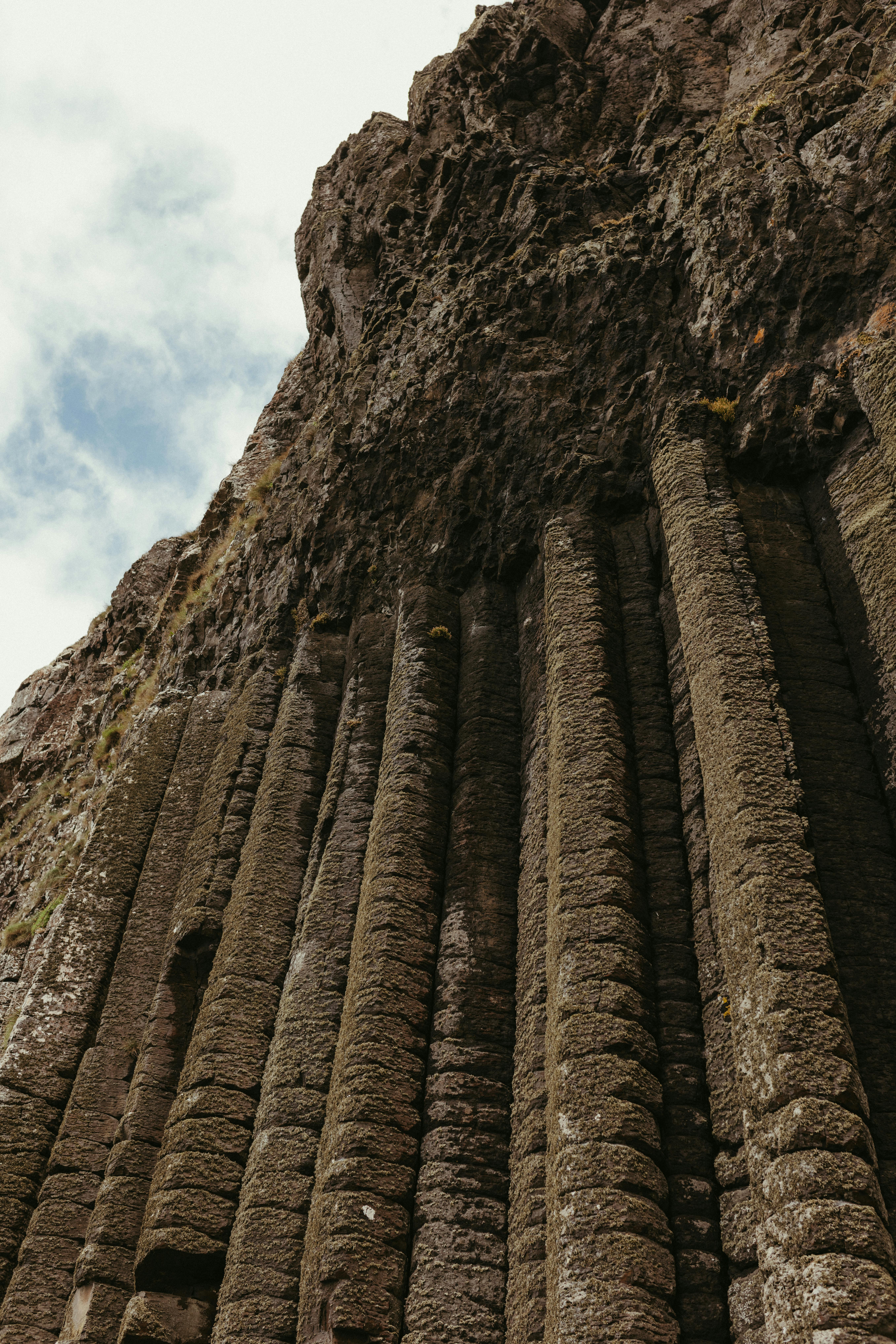
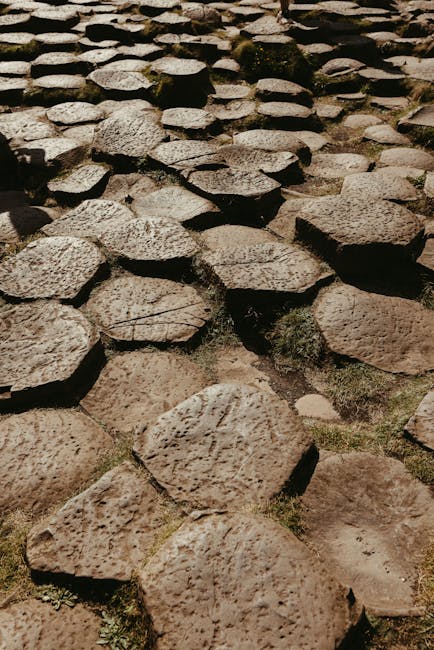
The Giant’s Causeway, located on the rugged northeastern coast of Northern Ireland, is one of the most iconic natural wonders in the United Kingdom. This UNESCO World Heritage Site boasts an extraordinary landscape of approximately 40,000 interlocking basalt columns that form a striking geometric pattern along the shoreline. The site’s legend, geological significance, and breathtaking scenery make it a must-visit destination for travelers seeking both natural beauty and cultural history.
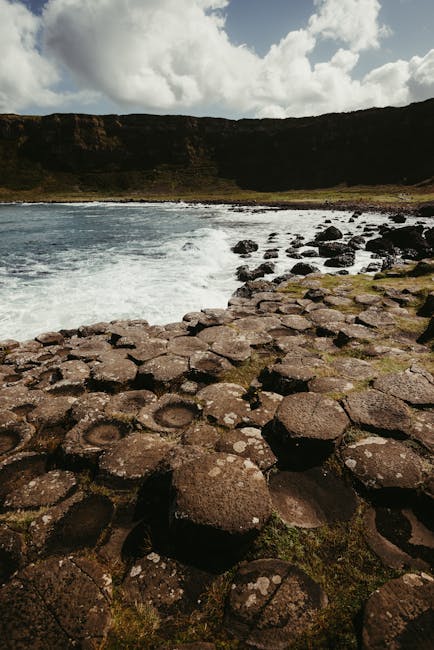
Situated near the town of Bushmills in County Antrim, the Giant’s Causeway stretches along a rugged coastline offering spectacular views of the Atlantic Ocean. The formation of these basalt columns dates back approximately 60 million years, created by ancient volcanic activity as lava cooled rapidly upon contact with seawater. The result is a mesmerizing landscape characterized by hexagonal, pentagonal, and other polygonal shapes that seem almost artificially designed. Visitors are often captivated by the natural artistry and the sense of stepping into a mythic world.
One of the main attractions is the opportunity to walk along the cliff-top paths and explore the formations up close. The site features well-maintained trails, guided tours, and an interactive visitor center that provides insights into geological processes and local legends, such as the story of Finn McCool. The scenery is especially stunning at sunrise or sunset, when the light enhances the natural hues of the rocks and ocean.
Practical information for visitors includes ample parking, a gift shop, cafes, and accessibility options for those with mobility challenges. Guided tours are available, offering detailed explanations of the site’s formation and folklore. Visiting during spring or early autumn often results in fewer crowds and milder weather. Whether you’re a geology enthusiast, a history buff, or simply a lover of natural beauty, the Giant’s Causeway provides a memorable experience that combines science, legend, and stunning scenery in one extraordinary location.
Titanic Belfast
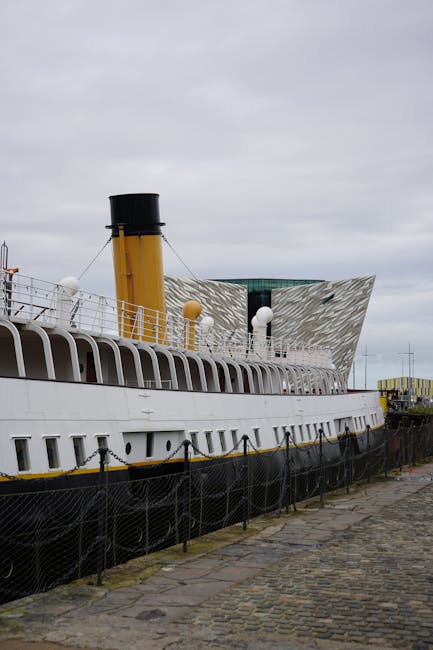
Nestled in the heart of Belfast, Titanic Belfast is a world-class visitor attraction that vividly recounts the story of the RMS Titanic, which was built in Belfast’s shipyards. This state-of-the-art museum stands on the site of the former Harland & Wolff shipyard, where the legendary ship was constructed. Opened in 2012, Titanic Belfast has rapidly become one of Northern Ireland’s top destinations, offering an immersive experience that combines history, technology, and storytelling to bring the Titanic’s story to life.
The museum is divided into nine interactive galleries, each exploring different aspects of the Titanic’s story—from its conception and construction to its tragic sinking and aftermath. Visitors can walk through detailed recreations of the ship’s interiors, view authentic artifacts, and engage with multimedia displays that provide a comprehensive understanding of the vessel’s history. The experience is designed to evoke emotion and curiosity, making it suitable for all ages.
Located in the Titanic Quarter, the attraction offers stunning views of Belfast’s skyline and harbor. Practical details include guided tours, a rooftop observation deck, and a dedicated education center. The architecture itself resembles the hull of a ship, enhancing the immersive experience. Visitors should allocate at least two to three hours to explore thoroughly and consider booking tickets in advance during busy periods.
Whether you’re a history enthusiast, maritime lover, or curious traveler, Titanic Belfast offers a compelling journey into one of the most famous ships in history. It’s a place where stories of innovation, tragedy, and resilience come together, providing a profound and educational experience for all who visit.
Belfast City Hall
Standing proudly in the heart of Belfast, the City Hall is an architectural gem and a symbol of the city’s rich civic history. Completed in 1906, this grand building exemplifies Edwardian Baroque style, with its impressive dome, ornate façade, and beautifully landscaped gardens. As both a working government building and a popular tourist attraction, Belfast City Hall offers visitors the chance to explore its stunning interiors and learn about Belfast’s civic development.
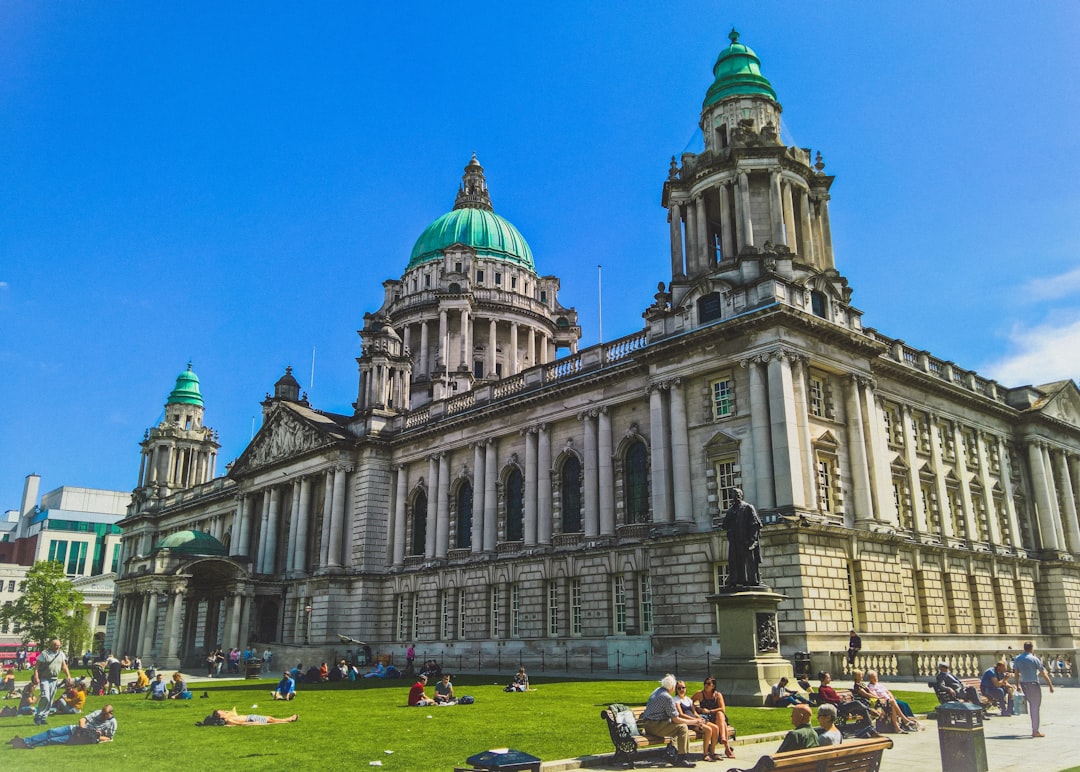
The interior features opulent rooms decorated with intricate woodwork, stained glass, and period furnishings. Guided tours are available daily, providing insights into the building’s history, architecture, and role in Belfast’s political and social life over the decades. The exterior’s picturesque setting, with surrounding gardens and the iconic Albert Memorial Clock nearby, makes it an ideal spot for leisurely walks and photography.
Open during weekdays, the City Hall often hosts civic events, exhibitions, and concerts, contributing to its vibrant community atmosphere. Entry to public areas is free, though guided tours may require advance booking. For those interested in Belfast’s history and architecture, the City Hall offers a fascinating glimpse into the city’s evolution from an industrial hub to a modern metropolis. Its central location makes it easily accessible, and the grounds are perfect for relaxing after a tour.
Carrick-a-Rede Rope Bridge
Perched along the dramatic coastline of County Antrim, the Carrick-a-Rede Rope Bridge offers an exhilarating experience for adventure seekers and nature lovers alike. Spanning a narrow chasm between the mainland and a small island called Carrick-a-Rede, this historic bridge has been used for centuries by local fishermen to access salmon fishing grounds. Today, it stands as one of Northern Ireland’s most iconic attractions, drawing visitors eager to test their nerve while enjoying breathtaking views of the Atlantic Ocean.
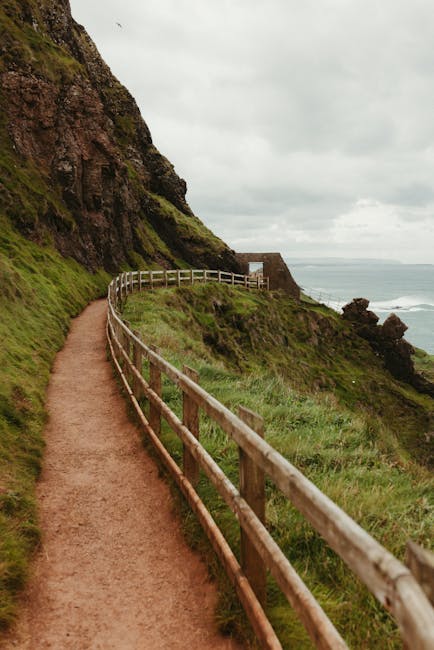
The bridge is approximately 20 meters long and suspended around 30 meters above the rocks below. Originally built by fishermen in the 18th century, it has been carefully maintained and modernized for safety while retaining its rustic charm. Walking across provides a sense of adventure and a unique perspective on the rugged coastline, with Atlantic winds adding to the thrill.
Visitors are rewarded with panoramic views of the coastline, ocean, and nearby Antrim Hills. The surrounding National Trust site offers walking trails and scenic viewpoints, ideal for photography and outdoor exploration. The site is accessible year-round, though weather conditions can affect opening times. Wearing sturdy footwear and being prepared for wind and rain is recommended.
Whether seeking an adrenaline rush or simply wishing to marvel at one of Ireland’s most stunning landscapes, the Carrick-a-Rede Rope Bridge guarantees an unforgettable experience. Its combination of history, natural beauty, and adventure makes it a must-visit destination for exploring Northern Ireland’s coastal treasures.
Dunluce Castle
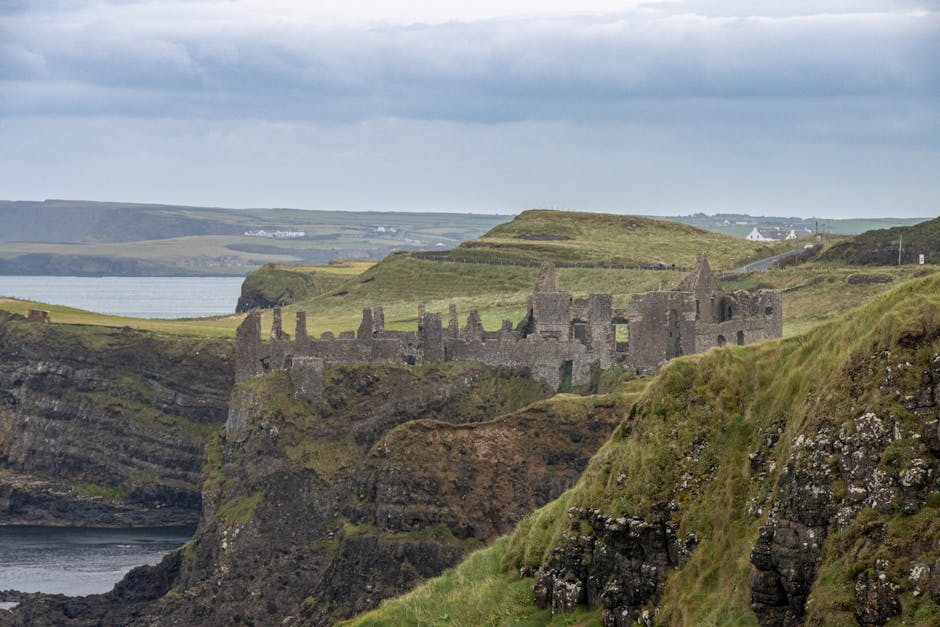
Perched dramatically atop a cliff overlooking the Atlantic Ocean in County Antrim, Dunluce Castle is an evocative ruin that captures the imagination of history enthusiasts and romantics alike. This medieval fortress dates back to the 13th century and has witnessed centuries of conflict, intrigue, and legend. Its strategic location on the rocky coastline made it a vital defensive stronghold during medieval times, guarding Ireland’s northern coast against invaders.
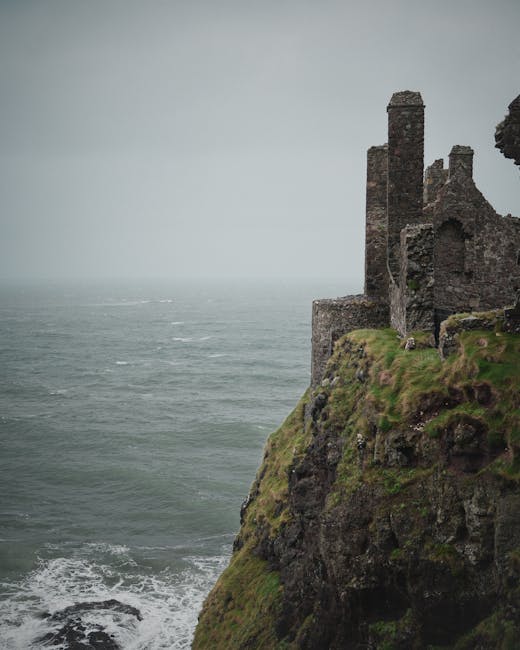
The castle’s striking ruins include remnants of walls, towers, and the remains of the grand halls. Visitors can explore the crumbling structures and imagine life in medieval Ireland, with the crashing waves below providing a dramatic backdrop. Dunluce’s most famous feature is its precarious position, as parts seem to cling to the edge of the cliff, evoking awe and a sense of danger.
For history and architecture enthusiasts, Dunluce Castle offers a fascinating glimpse into Ireland’s turbulent past. It’s accessible via a short walk from Bushmills village, with guided tours available to deepen understanding of its legends, including tales of shipwrecks and ghostly apparitions. The site is open seasonally, with visitor facilities nearby; wearing comfortable shoes and bringing a camera is advisable to capture the stunning scenery.
The rugged beauty and evocative ruins of Dunluce Castle make it one of Northern Ireland’s most photographed landmarks. Its wild coastline setting evokes a sense of timelessness and adventure, offering visitors a compelling journey into Ireland’s medieval heritage amid breathtaking scenery.
Ulster Museum
Located within Belfast’s Botanic Gardens, the Ulster Museum is a cultural treasure trove that showcases Northern Ireland’s rich history, art, and natural environment. Open year-round, it provides a comprehensive and engaging experience suitable for all ages. The museum’s diverse collections include archaeological artifacts, fine art, natural history specimens, and exhibits on Ireland’s social and cultural development.
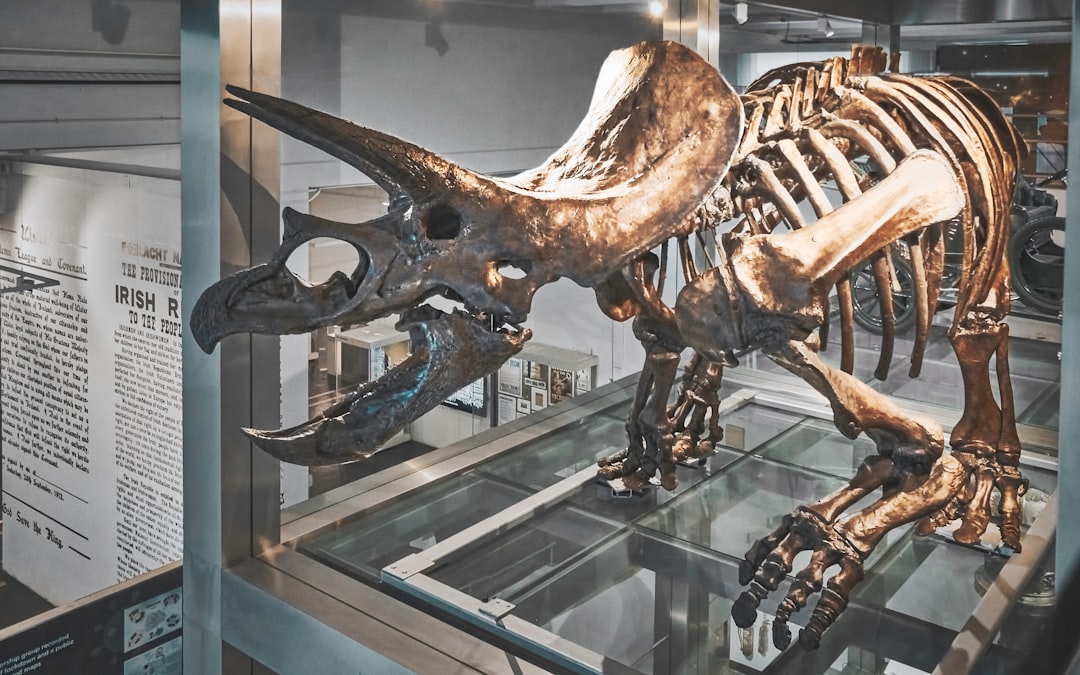
Highlights include an extensive archaeology collection with items dating back thousands of years, Celtic relics, and medieval artifacts. Art lovers can enjoy a range of Irish and international artworks, from classical paintings to contemporary pieces. The natural history section features displays of Ireland’s flora and fauna, including fossils, taxidermy, and interactive exhibits suitable for curious visitors.
The Ulster Museum also educates about Northern Ireland’s social history, including exhibits on the Troubles, migration, and cultural traditions. Its modern, accessible layout makes navigation straightforward, and temporary exhibitions keep the experience fresh for repeat visitors. Its location within Belfast Botanic Gardens offers a peaceful environment for relaxation before or after exploring the museum.
Admission is free, making it an excellent destination for families, students, and tourists. The museum’s proximity to the city center, with ample parking and public transport, facilitates easy access. Allocating a couple of hours will allow for a thorough exploration of its diverse collections. Whether interested in history, art, or natural sciences, the Ulster Museum provides an enriching insight into Northern Ireland’s heritage, making it a top cultural destination.
St. George’s Market
Introduction and Location
Located in the heart of Belfast, St. George’s Market is one of Northern Ireland’s most iconic and vibrant attractions. Since the late 19th century, this historic marketplace has served locals and visitors alike. Its central location makes it easily accessible by foot, public transport, or car, making it an ideal stop for those exploring Belfast’s cultural scene. The market’s charming Victorian architecture, combined with its lively atmosphere, offers a unique glimpse into Belfast’s trading history and contemporary local life.
Main Features and Highlights
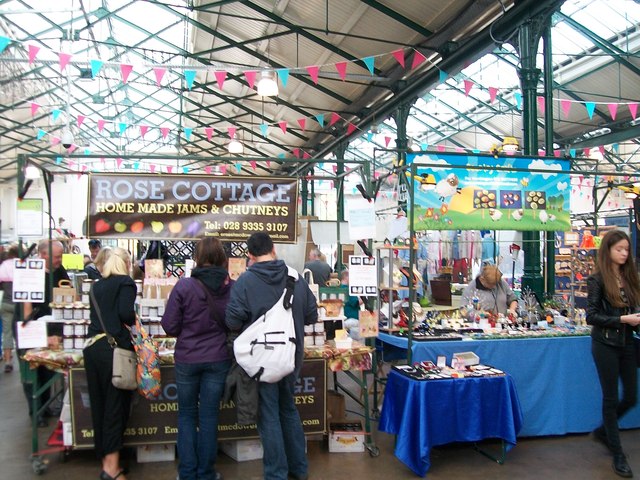
Inside, the bustling scene features stalls with a wide variety of goods. The market is renowned for fresh produce, including locally sourced fruits, vegetables, and artisan cheeses. It also offers an eclectic range of crafts, handmade jewelry, vintage clothing, and souvenirs that reflect Belfast’s creative spirit. Food lovers can enjoy international cuisines and Irish specialties like hearty stews and freshly baked scones. Live music, cultural events, and cooking demonstrations regularly add to the lively atmosphere, making each visit a dynamic experience.
Why It’s Worth Visiting
St. George’s Market embodies Belfast’s community and heritage. It combines history, culture, and vibrancy in a single place. Visitors often find it more than just shopping; it’s an immersive experience showcasing local craftsmanship and culinary excellence. Whether seeking authentic souvenirs, delicious food, or a lively atmosphere, the market offers a memorable highlight of any trip to Northern Ireland.
Practical Information for Visitors
- Opening Hours: Fridays 10 am–4 pm, Saturdays 9 am–5 pm, Sundays 10 am–4 pm.
- Location: Queen’s Quay, Belfast BT3 9QQ, accessible by bus or on foot from the city center.
- Admission: Free; some events or workshops may charge a fee.
- Tips: Arrive early, bring cash or card, wear comfortable shoes, and prepare for a lively experience.
Additional Insights
Engaging with vendors enhances the experience, as they often share stories behind their crafts or produce. Seasonal events like Christmas markets or food festivals make each visit unique. Overall, St. George’s Market reflects Belfast’s hospitality and creativity, making it a must-visit for those wanting an authentic local experience.
Best Time to Visit Northern Ireland
Understanding the Climate and Weather
Northern Ireland has a temperate maritime climate, with mild summers and cool, often rainy winters. Summers (June–August) are warmest, averaging 15–19°C, but weather can be unpredictable. Spring (March–May) and autumn (September–November) offer milder temperatures and fewer tourists, ideal for sightseeing. Winters are colder and wetter but festive, especially around Christmas. Always check local forecasts before planning outdoor activities.
Peak Tourist Seasons
July and August are the busiest months, with peak festivals and longer daylight hours, ideal for outdoor exploration. However, attractions can be crowded, and prices higher. Visiting in spring or autumn offers a quieter experience, with vibrant landscapes and lower costs.
Off-Peak Benefits
Spring and autumn provide fewer crowds, better photo opportunities with colorful scenery, and lower accommodation rates. Autumn’s foliage and spring’s blossoms enhance outdoor experiences. Weather can be variable, so pack accordingly.
Practical Tips for Choosing Your Visit Time
- Late spring or early autumn for pleasant weather and fewer tourists.
- Summer for festivals and outdoor activities, despite crowds.
- Winter for festive events and lower prices, with the caveat of colder weather.
Summary of Pros and Cons
| Time of Year | Pros | Cons |
|---|---|---|
| Summer (June–August) |
– Warm weather – Longer days – Festivals and events |
– Crowds – Higher prices – Possible rain |
| Spring (March–May) |
– Mild temperatures – Blooming landscapes – Fewer tourists |
– Unpredictable weather – Some attractions may have limited hours |
| Autumn (September–November) |
– Vibrant foliage – Cooler, comfortable weather – Lower prices |
– Shorter days – Chance of rain |
| Winter (December–February) |
– Festive atmosphere – Lower accommodation costs – Fewer visitors |
– Cold, wet weather – Shorter days – Some attractions may close or limit hours |
Choosing the best time depends on your preferences—whether for outdoor adventures, cultural festivals, or quiet scenic escapes. Planning accordingly ensures a memorable trip tailored to your interests.
Getting to Northern Ireland: Your Ultimate Travel Guide
Northern Ireland is accessible through various transportation options, making your journey smooth and efficient. From flights to road trips, this guide covers the main ways to reach this captivating region.
Flights to Northern Ireland
The most convenient way from international locations is via Belfast International Airport (BFS) and City of Derry Airport (LDY). Both airports connect to major hubs like London, Dublin, and European cities. Direct flights are common during peak seasons, providing quick access. Book early for better deals, with Belfast International offering more frequent options.
Traveling by Train
While limited compared to mainland UK, train services connect Belfast with Derry and Lisburn. NI Railways offers scenic, reliable routes, ideal for enjoying the countryside. Advance booking helps secure tickets and preferred schedules.
Bus and Coach Services
Translink operates extensive bus routes connecting major towns and attractions, including the Causeway Coast and Belfast. Buses are affordable, frequent, and convenient. Coach services like National Express also link Northern Ireland with other UK regions, suitable for budget travelers.
Getting Around by Car
Renting a car offers flexibility to explore remote sites like the Antrim Coast or Mourne Mountains. The roads are well-maintained, and driving is straightforward on the left. Remember your license, and plan your routes accordingly for scenic drives. Car rentals are available at airports and city centers.
Travel Tips and Important Information
- Plan ahead, especially during peak seasons, to secure availability and better rates.
- Combine transport modes—fly into Belfast, then rent a car for local exploration.
- Check visa requirements if arriving from outside the UK or Ireland.
- Weather can be unpredictable; pack layers and rain gear.
By choosing suitable transportation options, you can easily access Northern Ireland’s top sights—from historic castles to breathtaking coastlines—and enjoy a seamless travel experience.
Best Places to Stay in Northern Ireland: Options for Every Budget
Northern Ireland offers a wide range of accommodations to suit all budgets and preferences. From luxury hotels to budget hostels, each provides a memorable base for exploring top destinations. Here are some recommended options:
Luxury Accommodations
For an indulgent experience, consider the Slieve Donard Resort and Spa in Newcastle, nestled at the foot of the Mourne Mountains. It features elegant rooms, a spa, and panoramic sea views, perfect for exploring County Down. Another excellent choice is the Ballygally Castle Hotel in County Antrim, a historic castle hotel offering luxury, charm, and proximity to the Giant’s Causeway. Staying here immerses you in Northern Ireland’s rich history with modern comforts.
Mid-Range Options
The Old Inn, Groomsport is a charming boutique hotel near Bangor, offering cozy rooms, friendly service, and excellent local cuisine. Its location provides easy access to beaches and scenic walks. The Dufferin Arms Hotel in Derry/Londonderry combines historic ambiance with modern amenities, making it ideal for exploring the city’s landmarks like the Walls of Derry and the Peace Bridge.
Budget-Friendly Stays
The Easyhotel Belfast provides clean, simple rooms in the city center, perfect for exploring Belfast’s vibrant scene on a budget. In Ballycastle, The Bayview Hotel offers comfortable, affordable accommodation with stunning sea views and easy access to the Causeway Coast. These options ensure a comfortable stay without overspending.
| Accommodation Type | Recommended Hotels | Highlights |
|---|---|---|
| Luxury | Slieve Donard Resort and Spa, Ballygally Castle Hotel | Stunning scenery, historic charm, luxury amenities |
| Mid-Range | The Old Inn Groomsport, Dufferin Arms Hotel | Comfortable, charming, great locations for sightseeing |
| Budget | Easyhotel Belfast, The Bayview Hotel Ballycastle | Affordable, clean, convenient access to top sites |
Choosing the right place to stay enhances your Northern Ireland experience, whether you prefer luxury, comfort, or budget options. Each of these recommended accommodations offers a great base from which to explore the region’s top sights and hidden gems.
Must-Have Travel Products for Visitors to Northern Ireland
1. Waterproof Travel Backpack
Exploring Northern Ireland’s landscapes requires reliable gear. The Osprey Ultralight Dry Sack Backpack offers lightweight durability and water resistance, with a 20-liter capacity for essentials like waterproof clothing, cameras, and snacks. Its roll-top closure keeps belongings dry during sudden rain showers. Adjustable straps and a padded back make it comfortable for long walks or hikes, whether along rugged coastlines or city streets. Purchase options include outdoor gear sites like REI or Amazon, where user reviews praise its waterproofing and durability.
2. Portable Power Bank with Solar Charging
Long days exploring attractions like the Giant’s Causeway or Mourne Mountains can drain device batteries. The Anker PowerCore Solar 20000 is a portable power bank with solar recharging, perfect for outdoor adventures. It can charge smartphones, cameras, and GPS devices multiple times and recharges via sunlight, making it ideal for remote locations. Its rugged design withstands outdoor conditions, and its compact size fits easily into your pack. Available on Amazon, it ensures your devices stay powered, capturing every moment of your trip.
Explore trusted travel essentials on Amazon
Recommended Guidebooks for Traveling in Northern Ireland
1. “Northern Ireland Travel Guide” by Lonely Planet (Kindle Unlimited & Audible)
This comprehensive guide provides detailed insights into top destinations, hidden gems, and practical tips. It covers Belfast’s culture, the Giant’s Causeway, and scenic drives along the coast. Curated itineraries, local recommendations, and cultural context help both first-time and seasoned travelers. The audiobook version offers on-the-go listening, enriching your experience. Kindle Unlimited access makes it a cost-effective planning resource.
2. “Discover Northern Ireland” by DK Eyewitness Travel (Kindle Unlimited & Audible)
This visually rich guide combines stunning photos with practical info, including maps, history, and recommendations for sightseeing and dining. Outdoor activities like hiking and boat trips are highlighted. The narrated audiobook tours enhance anticipation of each site. Available via Kindle Unlimited and Audible, it helps navigate Northern Ireland’s top spots confidently.
3. “The Essential Northern Ireland Travel Companion” by Rough Guides (Kindle Unlimited & Audible)
This guide emphasizes off-the-beaten-path experiences and local stories, offering a more authentic perspective. Covering major and lesser-known sites, it’s ideal for travelers seeking unique adventures. Practical advice on transportation, customs, and safety ensures a smooth trip. The audiobook features engaging narration, bringing history and culture to life. Accessible through Kindle Unlimited and Audible, it’s a flexible resource for explorers wanting to go beyond typical tourist routes.
Whether you prefer detailed guides or immersive audio, these books will enhance your understanding and enjoyment of Northern Ireland’s top destinations, helping you plan memorable adventures and uncover hidden treasures.
Travel better with free access to thousands of guidebooks.
Frequently Asked Questions About Traveling to Northern Ireland
What are the top destinations to visit in Northern Ireland?
Northern Ireland features diverse attractions: the Giant’s Causeway with its unique basalt columns, the scenic Causeway Coastal Route, Belfast’s lively Titanic Belfast museum, historic Derry/Londonderry, and the stunning Mourne Mountains. These sites offer a mix of natural beauty, history, and culture that appeal to all interests.
When is the best time to visit Northern Ireland?
The ideal visiting times are late spring (May–June) and early autumn (September–October) for mild weather and fewer crowds. Summer (July–August) offers warmer temperatures and festivals but tends to be busier. Winter is festive, with markets and events, though colder and wetter. Check local forecasts and book accommodations early during peak seasons.
How can I get around Northern Ireland?
Options include renting a car for flexibility, reliable bus and train services via Translink, and organized tours for guided experiences. Driving allows access to remote sites; public transport is convenient in cities. Combining modes can optimize your travel experience.
What should I pack for a trip to Northern Ireland?
Layered clothing, waterproof jackets, sturdy shoes, and essentials like a camera and travel adapters are recommended. Pack rain gear and sun protection, as weather varies quickly. A small backpack and refillable water bottle are useful for day trips.
Are there any local customs or tips travelers should be aware of?
Respect local culture and history, tip around 10–15% in restaurants, and follow guidelines at historic sites. Driving is on the left side, so exercise caution. Support local businesses by purchasing crafts and regional foods. Engaging with locals with sensitivity enriches your experience.
Experience the Best of Northern Ireland
From awe-inspiring landscapes to vibrant cities, Northern Ireland offers top destinations that promise memorable adventures. Planning carefully and embracing local culture will make your trip enjoyable and meaningful.
Cashback on Expedia, Booking.com & more – start saving today!
Discover the Unmatched Charm of Northern Ireland
As our exploration of Northern Ireland concludes, it’s evident that this region offers an extraordinary mix of natural wonders, historic sites, and vibrant culture. From the otherworldly basalt columns of the Giant’s Causeway to the historic city walls of Derry and the lively streets of Belfast, each destination invites further discovery. The scenic landscapes, such as the Mourne Mountains and Causeway Coast, promise unforgettable outdoor adventures, while charming towns and villages showcase warm hospitality and local traditions.
Why Northern Ireland Should Be Your Next Travel Destination
- Top Destinations: Giant’s Causeway, Belfast, Derry, Mourne Mountains, Strangford Lough
- Activities: Scenic drives, cultural tours, outdoor pursuits, festivals
- Highlights: UNESCO sites, markets, historic landmarks, coastlines
Whether seeking breathtaking scenery or cultural immersion, Northern Ireland provides a diverse array of experiences that leave visitors with lasting memories. Its unique attractions encourage repeat visits and deeper exploration. Consider starting your journey now—discover the hidden gems and iconic sights that make this region so special and plan your own unforgettable adventure.
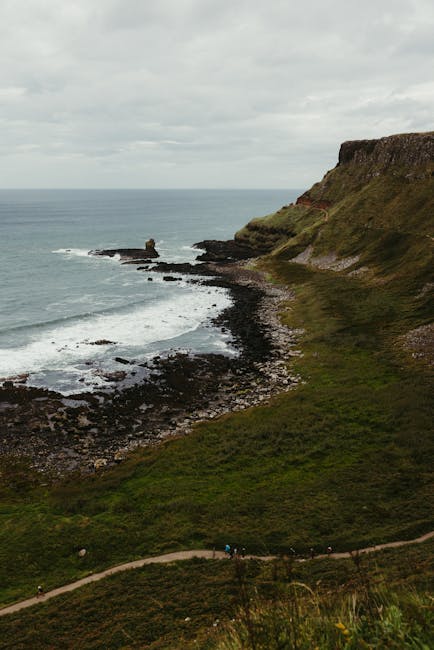
Embark on your adventure today—explore the landscapes, enjoy the culture, and experience all that Northern Ireland has to offer. Your memorable Irish journey awaits, so don’t delay in discovering this captivating region’s full charm.