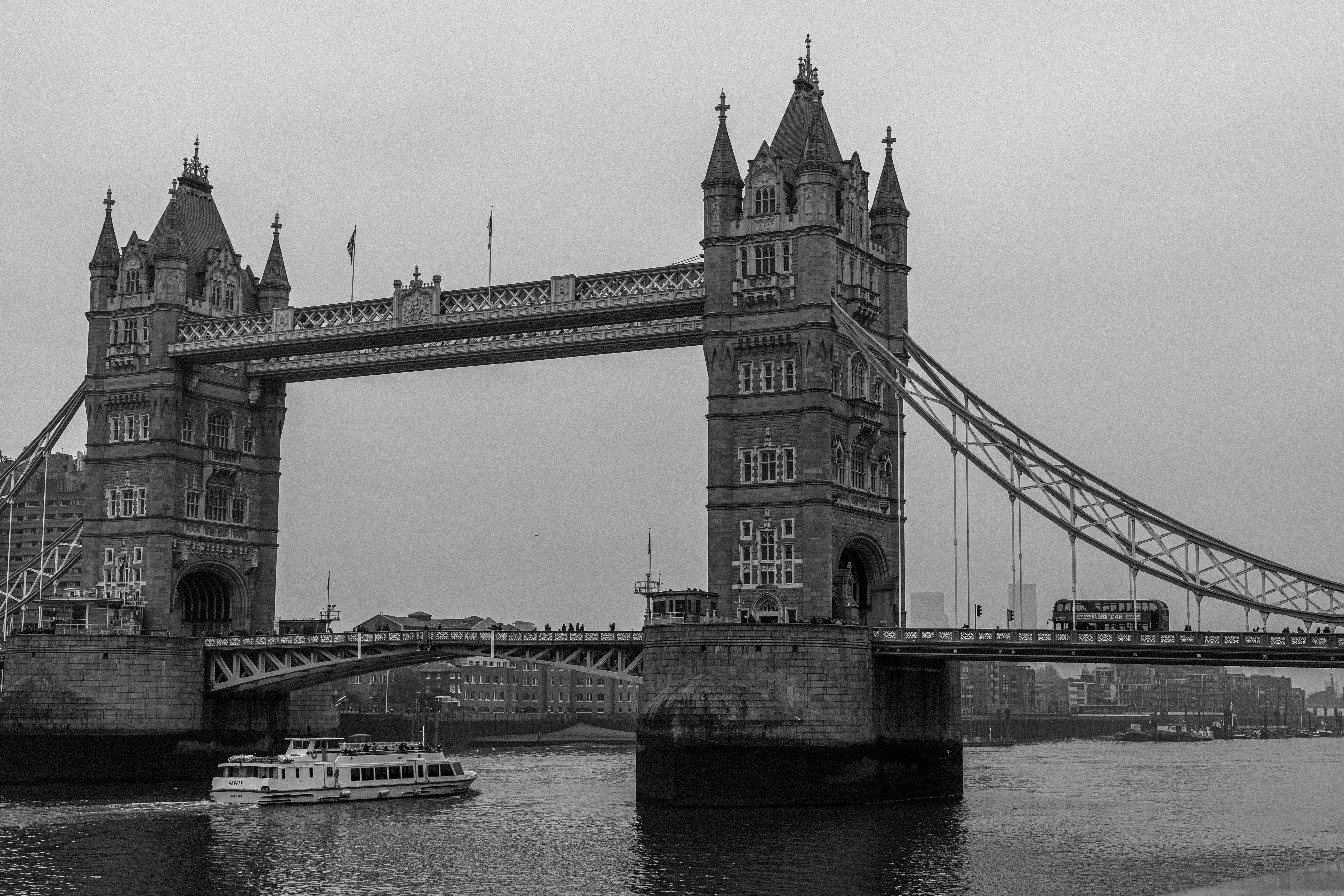
Discover London: A City of Timeless Charm and Modern Marvels
Explore the Heart of the UK: Your Ultimate Travel Guide to London
London stands as a captivating blend of rich history, vibrant culture, and innovative modernity. As one of the world’s most iconic cities, it beckons travelers with its unique ability to seamlessly merge the old with the new. From centuries-old landmarks that whisper stories of the past to cutting-edge architecture that pushes boundaries, London offers an endless array of experiences for the curious city explorer. Its diverse neighborhoods, bustling markets, world-class museums, and lively entertainment scenes make it a truly dynamic destination. Whether you’re wandering along the historic Thames, discovering hidden gems in eclectic districts, or immersing yourself in the city’s thriving arts scene, London promises an adventure that’s both inspiring and unforgettable. This travel guide aims to equip you with insider tips, cultural insights, and practical advice to help you navigate this extraordinary metropolis with confidence and curiosity.
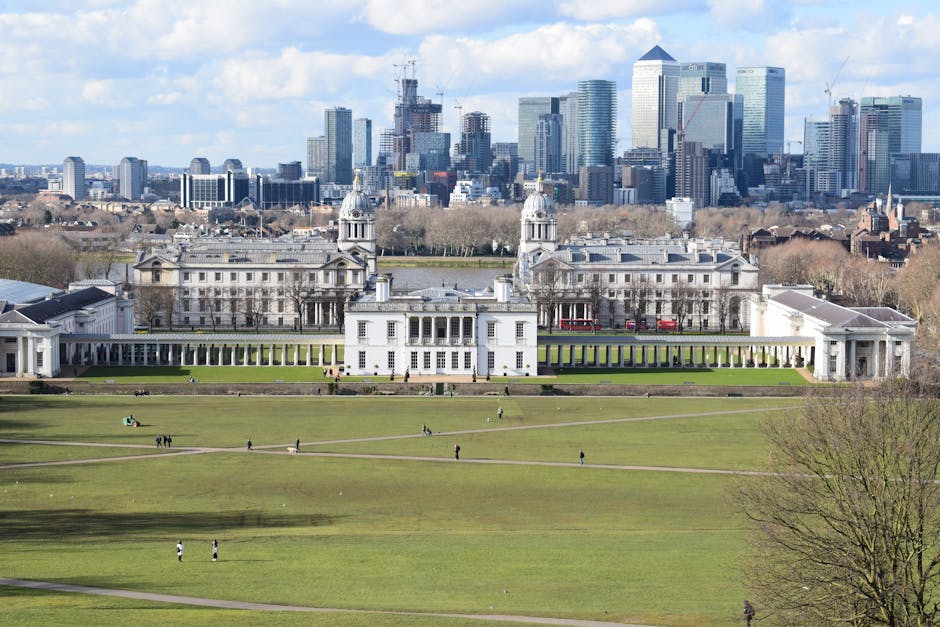
The British Museum
The British Museum is one of the most iconic cultural institutions worldwide, located in the heart of Bloomsbury, central London. Established in 1753, it has grown into a vast repository of human history, art, and culture, attracting millions of visitors annually. The museum’s neoclassical building, designed by Sir Robert Smirke, is as much a work of art as the collections it houses. Its grand façade and impressive columns set the tone for an experience that promises discovery and enlightenment.
The museum’s main features include an extensive collection of over eight million objects, spanning thousands of years. Highlights include the Rosetta Stone, the Elgin Marbles, Egyptian mummies, and the Assyrian lion hunt reliefs. These artifacts offer a fascinating glimpse into ancient civilizations, making the museum a treasure trove for history enthusiasts and casual visitors alike.
One of the most compelling reasons to visit is the museum’s commitment to accessibility and free admission. Visitors can explore multiple galleries across different eras and regions, from Ancient Greece and Egypt to Asia and the Americas. The museum also offers guided tours, educational programs, and interactive exhibits suitable for all ages. The Great Court, with its soaring glass roof, is a stunning centerpiece where visitors can relax and reflect on their discoveries.
Practical information includes opening hours from 10 am to 5:30 pm daily, with extended hours on Fridays. The museum is easily accessible via public transportation, with Tottenham Court Road and Holborn stations nearby. Since the British Museum is free, it remains a must-visit destination for those eager to immerse themselves in world history without incurring costs. Whether you are a history buff or a curious traveler, the British Museum offers an enriching experience that broadens your understanding of human civilization.
Tower of London
The Tower of London is a historic fortress and former royal residence situated on the north bank of the River Thames. Founded by William the Conqueror in 1066, it has served many roles over the centuries, including a royal palace, treasury, armory, and prison. Today, it stands as a symbol of London’s rich history and a must-see attraction for visitors eager to explore England’s medieval past. The Tower’s commanding presence, with its white stone walls and imposing battlements, immediately captures the imagination of those who approach.
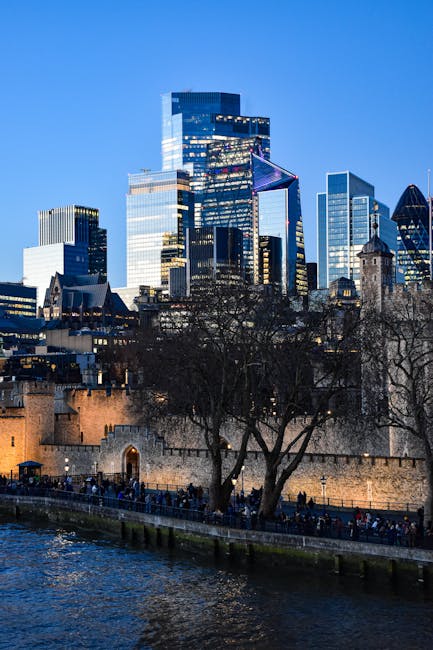
Inside, visitors can explore the historic grounds, which include the iconic White Tower—home to the legendary Crown Jewels. The Crown Jewels are an awe-inspiring collection of crowns, scepters, and orbs used in royal ceremonies. The Yeoman Warders, or Beefeaters, serve as engaging guides, sharing stories of intrigue, executions, and royal history that make the visit both educational and entertaining. The medieval architecture, including battlements and defensive walls, offers a tangible connection to the past.
The Tower of London’s location makes it easily accessible from central London, with Tower Hill Tube station just a short walk away. It opens daily from 9 am, with longer hours during peak seasons. Arriving early or purchasing tickets in advance is advisable to avoid long queues. The site also hosts special events and exhibitions throughout the year, providing deeper insights into its storied history. Visiting the Tower of London allows you to step back in time and experience the grandeur and brutality of medieval England firsthand, making it an essential stop for history enthusiasts and curious explorers alike.
Buckingham Palace
Buckingham Palace is the official residence and administrative headquarters of the British monarch in London. Located in the City of Westminster, it has been the royal residence since Queen Victoria’s reign in 1837. The palace’s striking façade, with its grand balcony and gilded gates, is instantly recognizable and symbolizes the British monarchy’s enduring presence. During your visit, you’ll find the palace not just as a residence but as a national icon representing tradition, ceremony, and history.
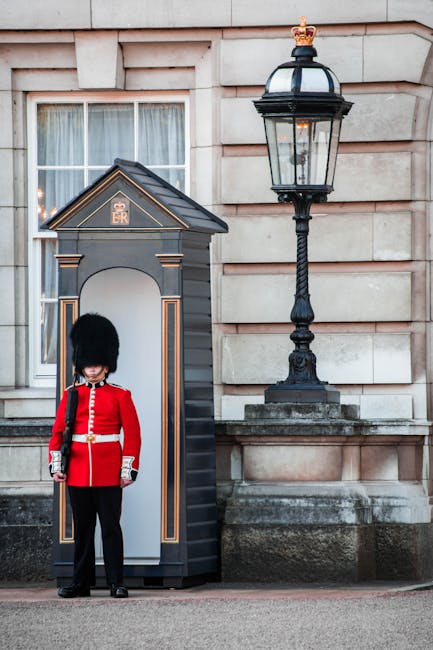
The palace’s main features include the famous balcony, where the royal family appears during significant events and celebrations, and the stunning State Rooms, which are open to the public during the annual summer opening. These rooms are lavishly decorated with priceless artworks, historic furniture, and ornate chandeliers, offering a glimpse into royal life and ceremonial grandeur. The Changing of the Guard ceremony, held regularly outside the palace, is a colorful spectacle that draws crowds eager to witness British pageantry in action.
Practical information for visitors includes the summer opening of the State Rooms, typically from late July to early October, with tickets available online. Outside of the open season, visitors can watch the Changing of the Guard or explore nearby St. James’s Park. The palace is accessible via Green Park and St. James’s Park Tube stations, making it easy to incorporate into a sightseeing itinerary. Visiting Buckingham Palace provides a unique opportunity to connect with Britain’s royal heritage and experience the pageantry that continues to symbolize national pride. Whether viewing from the outside or touring the State Rooms, the palace remains a quintessential London landmark that captures the imagination of visitors from around the world.
The London Eye
The London Eye, also known as the Millennium Wheel, is one of the most iconic landmarks in the city’s skyline. Located on the South Bank of the River Thames, it offers visitors a unique perspective of London’s sprawling urban landscape. Standing at 135 meters tall, this giant Ferris wheel has become a symbol of modern London since its opening in 2000, attracting millions of visitors annually. The London Eye’s distinctive design features 32 sealed, air-conditioned capsules, each capable of holding up to 25 people, providing panoramic views that stretch as far as 40 kilometers on clear days.
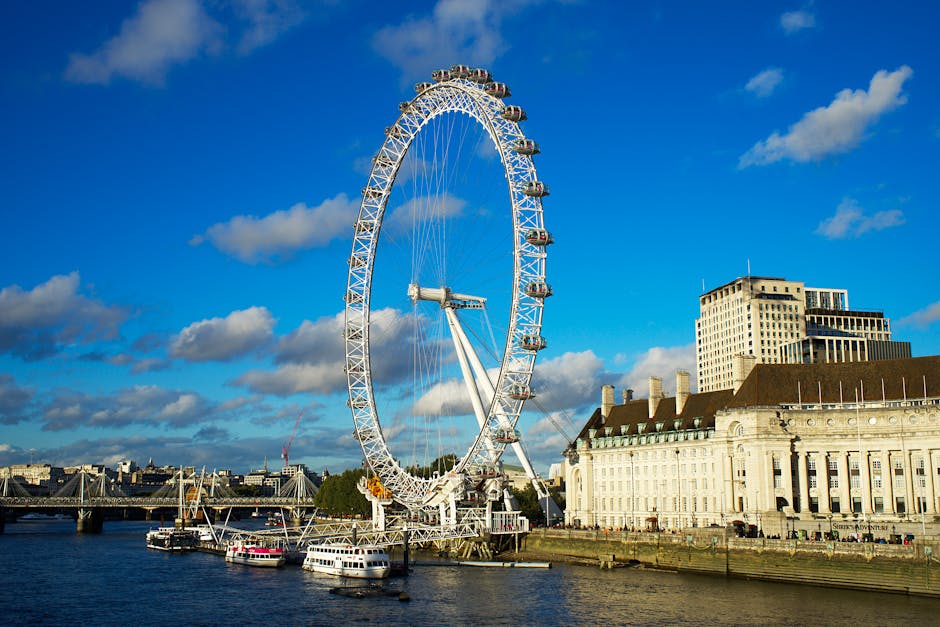
What makes the London Eye particularly worthwhile for city explorers is its strategic location, offering breathtaking vistas of famous landmarks such as Big Ben, Westminster Abbey, Buckingham Palace, and the Tower of London. The ride itself takes approximately 30 minutes, during which visitors can enjoy uninterrupted 360-degree views of the city’s historic and modern architecture. It’s especially stunning at sunset or when illuminated at night, creating a spectacular visual experience.
Practical information for visitors includes purchasing tickets in advance to avoid long queues, especially during peak seasons. The attraction is wheelchair accessible, and audio guides are available in multiple languages, enhancing the experience for international travelers. The London Eye also offers private capsule rentals for special occasions, making it a versatile choice for celebrations or romantic dates. Located conveniently near other attractions like the Southbank Centre and the SEA LIFE London Aquarium, it is easy to combine a ride with a day exploring the vibrant cultural scene along the Thames.
For those seeking a memorable way to see London from above, the London Eye provides an unforgettable experience that blends modern engineering with breathtaking views. Whether visiting during the day or at night, it remains a must-see for every city explorer eager to gain a new perspective on this historic metropolis.
The Houses of Parliament
The Houses of Parliament, also known as the Palace of Westminster, is a magnificent symbol of British democracy and history. Situated on the north bank of the River Thames, this historic building has been the seat of the UK Parliament for centuries. Its striking Gothic Revival architecture, designed by Charles Barry and Augustus Pugin in the mid-19th century, makes it one of London’s most recognizable landmarks. Visitors are often captivated by the intricate stonework, towering spires, and the iconic clock tower, Big Ben, which is part of the parliamentary complex.
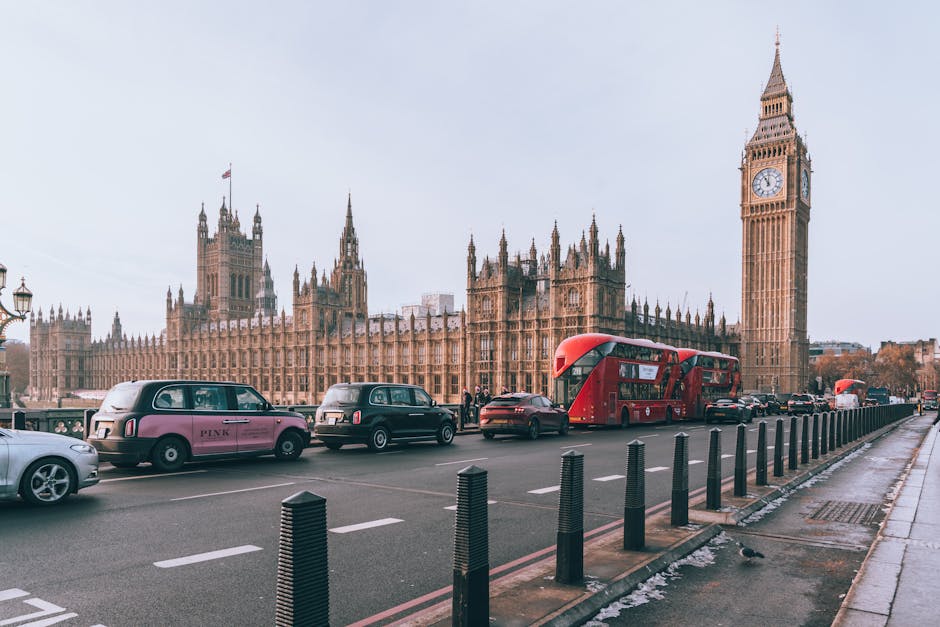
The interior of the Palace of Westminster offers a fascinating glimpse into Britain’s political history. Guided tours provide access to the historic Commons and Lords chambers, Westminster Hall, and the Central Lobby, where visitors can learn about the legislative process and the building’s storied past. The architecture itself is a masterpiece, featuring stunning stained glass windows, ornate woodwork, and detailed sculptures that reflect centuries of craftsmanship and tradition.
Visiting the Houses of Parliament is a must for those interested in politics, history, or architecture. It’s advisable to book tickets well in advance, especially if you wish to attend a debate or committee session. The building is accessible to visitors with disabilities, and multilingual audio guides are available to enrich the experience. While tours are generally available during parliamentary recesses, the exterior view remains impressive year-round, especially when lit up at night.
Located in Westminster, the Palace of Westminster is ideally situated near other key attractions such as Westminster Abbey, St. James’s Park, and Buckingham Palace. Its central location makes it easy to incorporate into a broader sightseeing itinerary. Visiting this historic seat of government not only offers insight into Britain’s political heritage but also provides a chance to appreciate one of London’s most architecturally significant landmarks, symbolizing the enduring strength of British democracy.
Best Time to Visit London: A Practical Guide for City Explorers
Understanding the Weather and Seasons
London’s temperate climate features mild summers and cool winters. The optimal time for outdoor exploration is from late spring to early autumn, roughly May through September. During these months, temperatures typically range from 15°C to 25°C, making city walks, outdoor markets, and parks more enjoyable. Weather can be unpredictable, with occasional rain showers, so packing an umbrella is advisable.
Peak Tourist Seasons and Crowds
London experiences its busiest periods during the summer months, especially June, July, and August. During this time, popular attractions like the Tower of London and Buckingham Palace can be crowded, and accommodation prices often increase. The city also hosts numerous festivals and events, which can enhance your experience but may lead to larger crowds.
Off-Peak Benefits
Visiting during shoulder seasons—spring (April to May) and early autumn (September)—offers a more relaxed experience. These months typically feature fewer tourists, lower prices, and milder weather. Spring blooms with vibrant gardens and outdoor festivals, while early autumn offers pleasant weather and fewer queues at major sights. Winter (December to February) can also be charming, especially during festive seasons, though the weather is colder and daylight hours shorter.
Summary of Pros and Cons
| Timing | Pros | Cons |
|---|---|---|
| Late Spring to Early Autumn |
|
|
| Spring (April-May) |
|
|
| Autumn (September-October) |
|
|
| Winter (December-February) |
|
|
For the city explorer seeking a balance between weather, crowds, and affordability, late spring and early autumn are often ideal, providing a more authentic and relaxed London experience that allows for comfortable exploration and fewer crowds.
Getting to London: Your Ultimate Travel Guide
London, the vibrant capital of the United Kingdom, is a hub of history, culture, and modern attractions. Whether arriving from abroad or nearby regions, understanding your transportation options will ensure a smooth journey. As a city explorer, selecting the most convenient and efficient means to start your adventure is key. Here’s comprehensive information on how to get to London, along with insider tips to enhance your travel experience.
Flights to London
London is served by several major airports, making air travel accessible from around the world. The primary gateways include Heathrow Airport, Gatwick Airport, Stansted Airport, Luton Airport, and London City Airport. Heathrow is the busiest and offers the most international flights, connecting London to major cities globally. When booking, consider arriving at the airport closest to your accommodation for convenience.
Travel tips:
- Book flights early to secure the best fares.
- Check for direct flights to minimize travel time.
- Consider off-peak travel periods for lower prices and less crowded airports.
Train Travel to London
If traveling within the UK or from nearby European cities, trains offer a comfortable and eco-friendly option. London’s major train stations include King’s Cross, St Pancras International, Paddington, Victoria, and Liverpool Street. High-speed trains like Eurostar connect London to Paris, Brussels, and Amsterdam, providing scenic and efficient routes.
Travel tips:
- Pre-book tickets online for discounts and guaranteed seats.
- Arrive early at the station to navigate security and boarding smoothly.
- Check train schedules in advance, especially during peak hours or holidays.
Bus and Coach Services
Long-distance bus services are an economical way to reach London from various UK cities and European destinations. Companies like National Express and FlixBus operate frequent routes to central London bus stations. Buses are ideal for budget-conscious travelers, though they may take longer than trains or flights.
Travel tips:
- Book tickets online early for the best prices.
- Check luggage restrictions before traveling.
- Plan for potential delays during peak travel times.
Car Rentals and Driving
If you prefer flexibility, renting a car is an option, especially if you plan to explore outside London. Major rental companies operate at airports and city locations. However, be aware that driving in central London can be challenging due to congestion charges, narrow streets, and parking restrictions.
Travel tips:
- Research congestion charges and parking fees beforehand.
- Opt for a compact vehicle suitable for city driving.
- Use GPS or navigation apps to avoid traffic and find parking easily.
Important Travel Tips for Getting to London
Always check the latest travel advisories and entry requirements, especially in light of ongoing global health situations. Consider purchasing travel insurance that covers delays or cancellations. To ensure a smoother journey, plan your arrival time to avoid peak hours, and familiarize yourself with London’s transportation zones to understand fare structures. Arriving early at your departure point allows for security checks and boarding, making your city exploration more enjoyable from the outset.
Best Places to Stay in London for Every Budget
London caters to all travelers, whether seeking luxury, comfort, or affordability. Your choice of accommodation can significantly enhance your exploration, offering not just a place to rest but a gateway to discovering London’s vibrant neighborhoods, iconic landmarks, and hidden gems. Below are tailored recommendations across different budgets, each providing unique advantages for your city adventures.
Luxury Options: Indulge in Elegance and Prime Locations
For travelers seeking the very best, London’s luxury hotels offer exceptional service, sophisticated design, and prime locations. The The Savoy, situated on the Strand, is an iconic choice. Combining historic charm with modern amenities, it offers panoramic views of the Thames and easy access to West End theaters. The hotel’s renowned service and luxurious rooms make it ideal for unwinding after a day of sightseeing.
Another excellent option is the The Langham, London, located in the West End. Known for its elegant interiors and world-class spa, it’s perfect for travelers seeking relaxation and refinement. Both hotels provide a seamless blend of history, comfort, and exclusivity, perfect for those wanting to experience London’s grandeur firsthand.
Mid-Range Accommodations: Comfort Meets Convenience
For a balance of comfort and affordability, London offers numerous mid-range hotels that do not compromise on quality. The Premier Inn County Hall is a popular choice, located near the South Bank and within walking distance of major attractions like the London Eye and Westminster Abbey. Its spacious rooms and friendly service make it a reliable base for exploring the city.
The CitizenM London Bankside offers modern, stylish rooms with innovative design, perfect for tech-savvy travelers. Its central location provides easy access to Tate Modern, Shakespeare’s Globe, and Borough Market, making it an excellent hub for those eager to immerse themselves in London’s cultural scene.
Budget-Friendly Options: Discovering London Without Breaking the Bank
Travelers on a tighter budget will find a variety of affordable accommodations that still deliver comfort and convenience. The YHA London Central is a highly-rated hostel offering clean dorms and private rooms. Its location in Fitzrovia places you near Oxford Street and the British Museum, perfect for exploring on foot or via public transport.
The easyHotel London Victoria provides basic but comfortable rooms at budget-friendly prices, situated near Victoria Station. This makes it easy to navigate the city and access key attractions without overspending. These options are ideal for city explorers prioritizing location and value.
In summary, whether you seek luxury, mid-range comfort, or budget-friendly stays, London offers accommodations that cater to every need. Your choice can enhance your exploration, allowing you to experience the city’s diverse neighborhoods, iconic sights, and local culture seamlessly.
Essential Travel Products for Your London Adventure
1. Oyster Card – The Ultimate Travel Companion
For city explorers venturing into London, the Oyster Card is essential. This contactless smart card provides seamless access to London’s extensive public transportation network, including buses, trams, the Tube, and some river services. Instead of buying individual tickets, top up your Oyster Card with credit, and you’re ready to travel effortlessly across the city. Its convenience is unmatched, especially given London’s sprawling layout, which can be overwhelming for first-time visitors.
The Oyster Card offers significant savings compared to single tickets, with daily caps to prevent overspending and encourage spontaneous exploration. The card is durable, easy to carry, and can be topped up at stations, online, or via the Oyster app, which syncs with your smartphone for added convenience. Where to buy? You can purchase an Oyster Card at any Tube station, Heathrow or Gatwick Airport, or order one online before your trip. For city explorers eager to maximize their time, this card is a must-have.
2. Compact Travel Umbrella – Be Prepared for London’s Weather
London’s weather is famously unpredictable, often shifting from sunshine to rain within minutes. A compact, high-quality travel umbrella is your best friend during such days. Look for models that are lightweight yet sturdy, with wind-resistant features to withstand gusts common in the city. Many umbrellas now fold down to fit comfortably into your bag or pocket, making them ideal for spontaneous weather changes.
Choosing an umbrella with a quick-dry canopy and a durable frame ensures longevity and reliability. Some models even feature UV protection, providing shade during sunny spells. Where to buy? You can find excellent options at outdoor gear stores, department stores like John Lewis, or online retailers such as Amazon. Carrying a reliable umbrella ensures your sightseeing plans stay on track, regardless of London’s weather whims.
Shop our favorite travel gear on Amazon
Top Travel Guidebooks for London: Unlocking the City’s Secrets
1. “Lonely Planet London” (Kindle Unlimited & Audible)
This comprehensive guide offers a well-rounded overview of London’s iconic sights and hidden gems. It features detailed maps, practical tips, and curated itineraries that appeal to city explorers seeking both classic attractions and off-the-beaten-path discoveries. The book’s engaging writing style makes it easy to navigate through busy neighborhoods or plan leisurely days exploring markets, parks, and historic sites. It’s perfect for travelers who want flexibility and expert insights, especially when combined with the convenience of Kindle Unlimited or Audible for on-the-go listening.
2. “DK Eyewitness Travel Guide: London” (Kindle Unlimited & Audible)
Known for its stunning visuals and detailed illustrations, this guide provides an immersive experience of London’s rich history and modern vibrancy. It features detailed floor plans of major museums, walking tours, and thematic explorations of neighborhoods. Whether you’re interested in art, history, or culinary delights, this guide helps craft personalized itineraries. Its easy-to-follow layout and engaging narrative make it an excellent resource for visual learners and those seeking detailed background stories, accessible via Kindle Unlimited or audio formats.
3. “Fodor’s London” (Kindle Unlimited & Audible)
This travel companion balances practical advice with cultural insights, ideal for first-time visitors and seasoned travelers. It offers honest reviews of hotels, restaurants, and attractions, along with tips for navigating London’s transport system. The book also highlights family-friendly activities and luxury options, catering to diverse interests. Its concise yet informative style ensures travelers can quickly find what they need, making it a reliable guide available on Kindle Unlimited or as an audiobook for hands-free exploration.
Combining these guidebooks with your travel essentials will prepare you to navigate London confidently. Whether exploring historic landmarks, discovering vibrant neighborhoods, or soaking in the city’s atmosphere, these resources will enrich your experience and help uncover the city’s many secrets.
Get expert travel tips and books for free – try Kindle Unlimited now.
Frequently Asked Questions About Traveling to London
1. What is the best time of year to visit London?
London is a year-round destination, but the best time depends on your preferences. Spring (March to May) offers mild weather and blooming parks, perfect for outdoor exploration. Summer (June to August) brings warmer temperatures and lively festivals, though it can be crowded and more expensive. Autumn (September to November) features crisp air and stunning foliage, ideal for city walks. Winter (December to February) is festive, with holiday markets and decorations, but be prepared for colder weather. Visiting during shoulder seasons in late spring or early autumn can help avoid peak crowds and high prices.
2. How can I efficiently get around London as a city explorer?
London’s extensive transportation network makes city exploration straightforward. The Oyster Card provides cost-effective access to buses, trains, and the Tube. The London Underground is the fastest way to reach most attractions, with 11 lines covering the city. Buses offer scenic routes, especially for sightseeing. Cycling via schemes like Santander Cycles is popular for short distances, and walking allows for discovering neighborhoods like Soho, Covent Garden, and South Bank at a leisurely pace.
3. What are must-visit attractions for a city explorer?
London is packed with iconic sights. Essential stops include the British Museum, the Tower of London, and Westminster Abbey. For panoramic views, visit the London Eye or ascend The Shard. Don’t miss the Natural History Museum and the Victoria and Albert Museum. Explore neighborhoods such as Camden, Notting Hill, and Shoreditch. For historic charm, walk along the South Bank or through Hyde Park.
4. Are there budget-friendly options for dining and entertainment?
Yes. London offers many affordable options. Try street food markets like Borough Market or Brick Lane for authentic, inexpensive meals. Many pubs serve traditional British fare at reasonable prices. Many museums, galleries, and parks are free, and discounted tickets for West End shows can be found online. Self-guided walking tours are also budget-friendly ways to explore the city’s hidden gems.
5. What practical tips should I know before visiting London?
Purchase an Oyster Card or travel pass to save on transportation. Wear comfortable shoes, as exploring involves a lot of walking. Check opening hours and book tickets in advance for popular attractions. Carry an umbrella and layered clothing to adapt to the weather. Respect local customs, such as queuing politely, and keep belongings secure in crowded areas to ensure a smooth visit.
6. How can I experience London’s local culture as a city explorer?
Engage with local life by visiting neighborhood markets, attending street festivals, and exploring diverse cuisines. Join guided walking tours to learn about London’s history and hidden stories. Attend performances at small theaters or jazz clubs to enjoy the vibrant arts scene. Visiting local pubs and chatting with residents can offer authentic cultural insights. Embracing the city’s dynamic neighborhoods and multicultural spirit is key to a truly immersive London experience.
Cashback on your holiday? Sign up & start saving now!
Discover the Magic of London: Your Ultimate City Explorer’s Guide
London’s vibrant energy and rich tapestry of history and culture make it an ideal destination for explorers eager to uncover its many layers. From historic landmarks like the Tower of London and Buckingham Palace to lively neighborhoods such as Camden and Shoreditch, the city offers endless opportunities for discovery. Its diverse cultural scene, world-class museums, and scenic vistas, such as those from the London Eye, provide both inspiration and insight into Britain’s capital.
Familiarity with key attractions, transportation options, and local customs can greatly enhance your experience. Whether you’re wandering through markets, enjoying panoramic views, or exploring hidden corners, London invites you to see it through the eyes of a true city explorer. Planning your visit during the shoulder seasons can offer a more relaxed and authentic experience, allowing you to immerse yourself fully in the city’s unique charm.
Every neighborhood holds a new story, every street a new discovery. So, pack your curiosity, prepare to explore, and let London reveal its many secrets. Your adventure awaits in this dynamic metropolis where history and modernity coexist in perfect harmony.